
PM’s $15.6 Million Bet on Pacific Sports Diplomacy: What’s Really at Stake for Australia?
- $15.6 million funding boost to support Pacific athletes in the 2032 Brisbane Olympics and Paralympics
- Australia’s sports diplomacy push in the Pacific: a key policy tool in the strategic battle for influence
- PM Albanese’s high-stakes trip to the Pacific Islands Forum: securing economic and security interests
- Pacific Islands Forum marred by no-shows: what does it mean for regional stability?
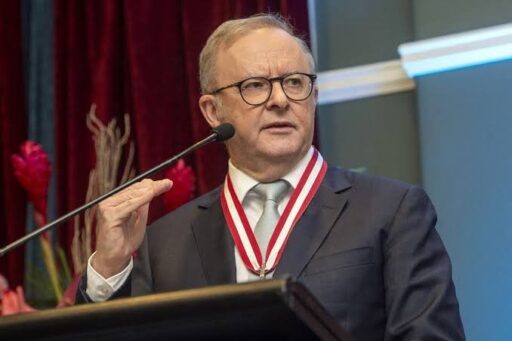
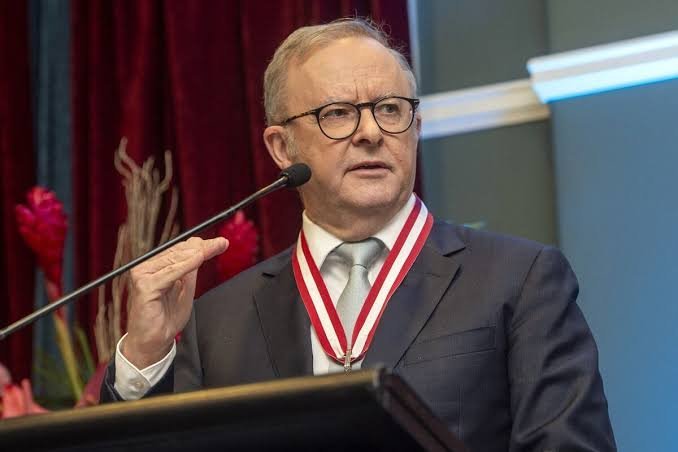
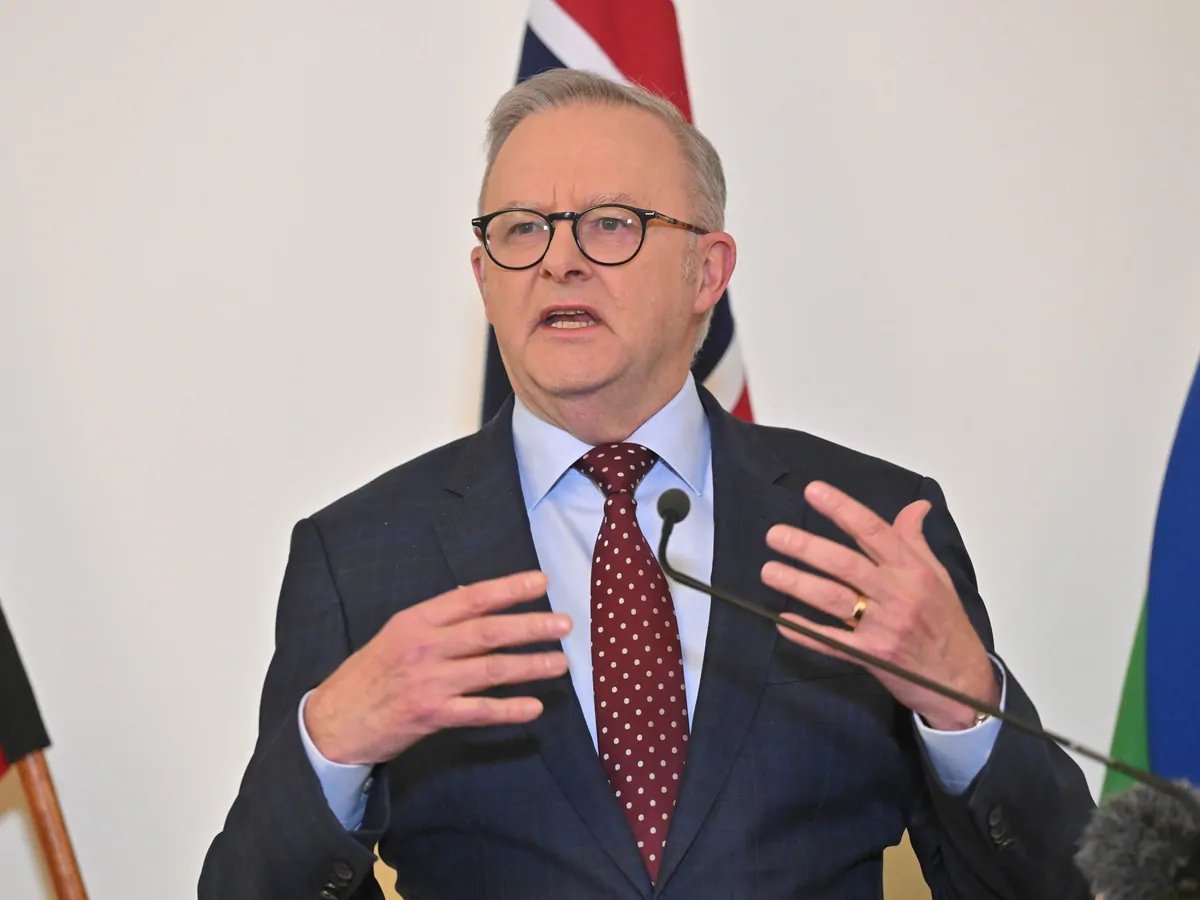
As Prime Minister Anthony Albanese touches down in Palau for the Pacific Islands Forum, he’s bringing more than just a smile and a handshake.
He’s armed with a $15.6 million funding package to support Pacific athletes in the 2032 Brisbane Olympics and Paralympics, as well as a slew of other international sporting events.
But what’s really driving this move, and what’s at stake for Australia?
The funding, to be spread over four years, is a partnership with the Australian Olympic Committee, Paralympics Australia, Commonwealth Games Australia, and regional organisations. It’s touted as a way to support athletes and officials from 13 Pacific countries in accessing high-performance training and qualification opportunities.
But scratch beneath the surface, and it’s clear that sports diplomacy has become a key policy tool for Australia in the Pacific – a way to curry favour and exert influence in a region where China’s presence is growing.
It’s not the first time Australia has used sports to woo its Pacific neighbours.
The Albanese Government has previously announced $600 million for rugby league in Papua New Guinea, including support for an NRL team from 2028, and a $250 million fund to support rugby league in PNG, Tonga, Samoa, and Fiji.
Minister for the Pacific Pat Conroy says sport has a unique power to bring people together, supporting healthy lives, gender equity, and youth leadership. But is this really about building stronger relationships, or is it a thinly veiled attempt to buy influence?
The Pacific Islands Forum, which has encountered setbacks in 2026 after a number of leaders decided not to attend, is a case in point. New Zealand’s Foreign Minister Winston Peters called the no-shows “highly suspicious”, and it’s clear that the region’s leaders are playing hard to get.
Palau, one of only 12 nations in the world that formally recognises Taiwan, has even invited Taiwan’s diplomats to observe the forum – a move that’s sure to ruffle Beijing’s feathers.
Analysis: What This Means for Australia
So what does this all mean for Australia? On the surface, it looks like a generous gesture to support Pacific athletes and strengthen regional relationships.
But dig deeper, and it’s clear that this is about something much bigger. This is about securing Australia’s economic and security interests in a region that’s increasingly contested.
China’s growing presence in the Pacific is a major concern for Canberra, and sports diplomacy is just one way to push back.
Security analysts say that Australia’s move is a clever play to build goodwill and exert influence in the region. “It’s a way to build relationships and trust with Pacific leaders,” one expert says.
“But it’s also a way to counterbalance China’s growing presence. Australia needs to be seen as a loyal and reliable partner in the region, and sports diplomacy is one way to do that.”
But it’s not without risks. Law enforcement insiders warn that the region’s instability and corruption could undermine Australia’s efforts.
“The Pacific is a challenging region, and there are real concerns about corruption and instability,” one source says. “Australia needs to be careful not to get too caught up in the excitement of sports diplomacy and forget about the bigger picture.”
As the Pacific Islands Forum gets underway, it’s clear that the stakes are high. Will Australia’s sports diplomacy push pay off, or will it be seen as a cynical attempt to buy influence?
One thing’s for sure: the region is watching, and the outcome will have major implications for Australia’s future in the Pacific.