
Teenage Terror Suspect’s Chilling Plot to Bring ISIS Carnage to Sydney’s Iconic Landmarks Exposed in Court
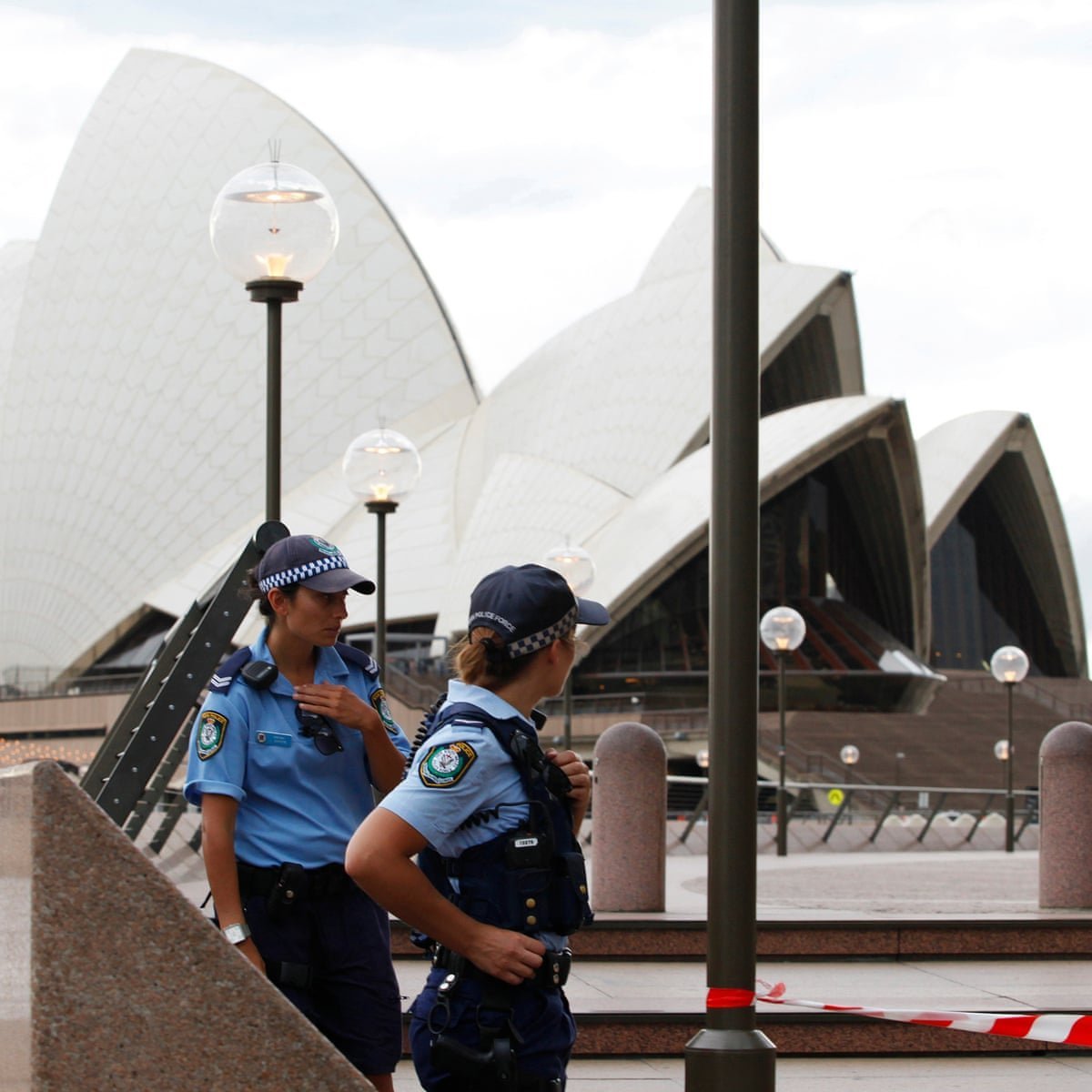
- A 14-year-old boy’s twisted plan to unleash terror on Sydney’s CBD, targeting the Sydney Opera House and Sydney Marathon, has been revealed in court.
- The teenager, radicalised on social media, amassed a collection of 40 extremist videos and researched bomb-making methods, inspired by the 2013 Boston Marathon Bombing.
- Despite his chilling intentions, the boy claimed he was “50/50” about carrying out the attack and has since been “de-radicalised” after receiving religious counselling.
- The case raises disturbing questions about the vulnerability of Australian youth to online extremist propaganda and the adequacy of the country’s counter-terrorism strategies.
The Sydney court was shocked to hear the disturbing details of a teenage boy’s plan to carry out a mass terror attack in the heart of the city.
The 14-year-old, who cannot be identified, pleaded guilty to committing acts in preparation for a terror attack, motivated by his twisted interpretation of Islamic extremism.
The boy’s descent into radicalisation began with his exposure to extremist material on social media, particularly on TikTok, which he found “very interesting”.
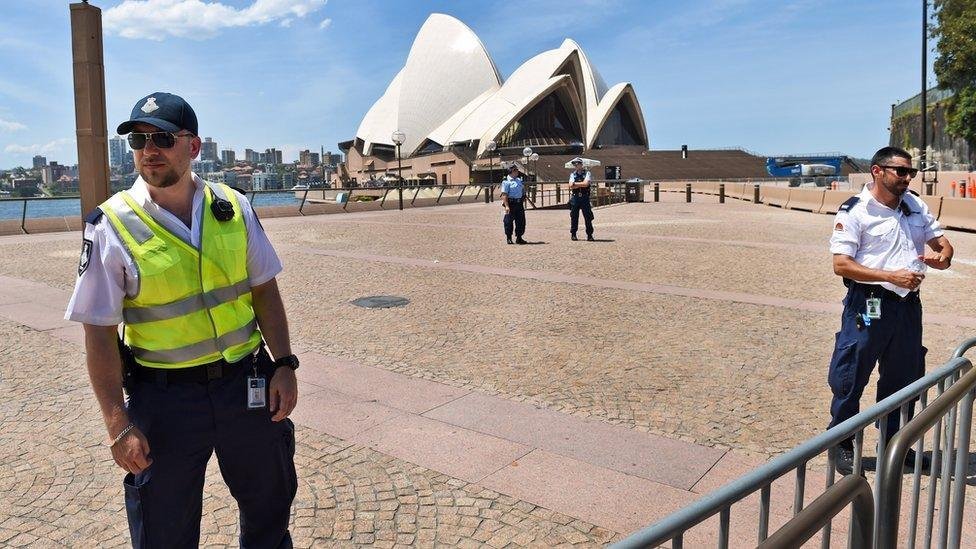
As he delved deeper into the dark world of online extremism, he began to share his views with others, boasting about his plans to target iconic locations, including the Sydney Opera House and the Sydney Marathon.
The court heard that the boy’s online activities became increasingly brazen, as he attempted to obtain instructions on how to make a pressure cooker bomb and even reached out to the surviving perpetrator of the Boston Marathon Bombing.
His conversations with other Telegram users revealed a disturbing intent to “strike fear into the hearts” of innocent civilians.
Despite the alarming nature of these revelations, the boy claimed he had not taken any concrete steps to obtain materials or carry out the attack, and that he was “thinking about it” before his arrest.
As the court grappled with the complexity of this case, it emerged that the boy had undergone a significant transformation since his arrest. He claimed to have been “de-radicalised” and expressed deep remorse for his actions, describing the ISIS group as “absolutely horrifying”.
His defence barrister portrayed him as a “young man who has seen the error of his ways” after falling prey to extremist ideology. The boy has since received religious counselling and plans to enrol in a local high school next year.
This case raises profound concerns about the vulnerability of Australian youth to online extremist propaganda and the need for more effective counter-terrorism strategies.
Analysis: What This Means for Australia is that the country’s law enforcement agencies must be more proactive in identifying and addressing the root causes of radicalisation, particularly among young people.
The ease with which this teenager accessed extremist material online highlights the need for greater regulation of social media platforms and more robust online safety measures.
Security analysts say that this case serves as a stark reminder of the ongoing threat posed by lone-wolf terrorists and the importance of community-based initiatives to prevent radicalisation.
Law enforcement insiders warn that the case also underscores the need for more effective collaboration between agencies to identify and disrupt extremist networks.
As the boy awaits sentencing, the Australian public is left to ponder the disturbing implications of this case and the need for a more comprehensive approach to counter-terrorism.
counter-terrorism efforts must be intensified to prevent similar cases in the future, with a focus on early intervention and community engagement. Australian Security Intelligence Organisation must also reassess its strategies for monitoring online extremist activity and identifying potential threats.
Ultimately, this case serves as a wake-up call for Australia to re-examine its approach to counter-terrorism and ensure that it is equipped to address the evolving threat landscape.