
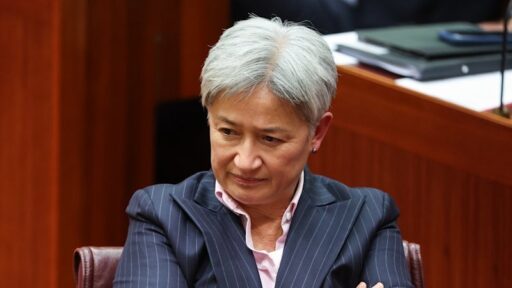
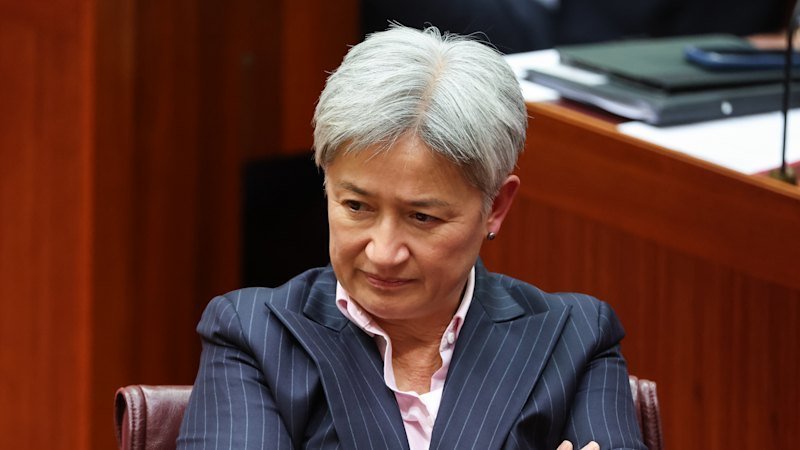
Acting PM Penny Wong Scores $1,900 Pay Bump as She Fills in for Anthony Albanese Overseas – But What Does This Mean for Australia’s Leadership and Accountability?
- Foreign Minister Penny Wong is set to receive a significant pay boost as she acts as Prime Minister while Anthony Albanese is overseas.
- The pay bump, which amounts to roughly $1,900 before tax, is a result of a little-noticed change to salary rules that now allows ministers serving in the nation’s top office to receive the same rate of pay as the Prime Minister.
- The change has sparked questions about Australia’s leadership and accountability, with some arguing that it creates a power vacuum and undermines the role of the Deputy Prime Minister.
- As Wong takes the reins, Australia’s national security and economic interests are at stake, with the country navigating complex relationships with the US, UK, and Pacific Island nations.
The news that Foreign Minister Penny Wong is set to receive a significant pay boost as she acts as Prime Minister while Anthony Albanese is overseas has sent shockwaves through Canberra.
The pay bump, which amounts to roughly $1,900 before tax, is a result of a little-noticed change to salary rules that now allows ministers serving in the nation’s top office to receive the same rate of pay as the Prime Minister.
But what does this mean for Australia’s leadership and accountability?
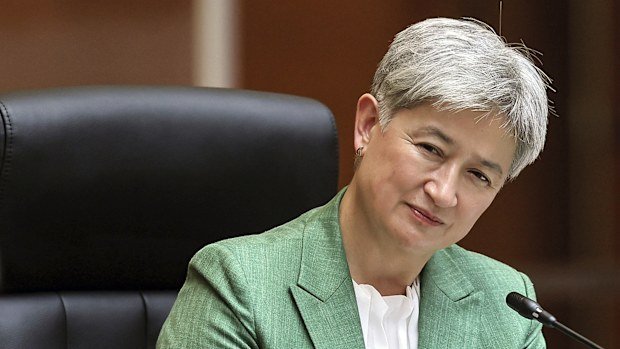
As Wong takes the reins, the country’s national security and economic interests are at stake, with complex relationships with the US, UK, and Pacific Island nations hanging in the balance.
The change has sparked questions about the role of the Deputy Prime Minister and whether this creates a power vacuum at the top of the government.
The decision to appoint Wong as acting Prime Minister was made by Albanese, who is currently attending the Pacific Islands Forum in Palau. Deputy Prime Minister Richard Marles, who would usually step into the position, is currently overseas on defence business in the United States and United Kingdom.
The acting arrangements were authorised by Albanese, with Wong next in line after Marles.
The change to the salary rules stems from the Remuneration Tribunal’s latest annual report, which recommended that any minister serving as acting Prime Minister be paid at the same annual rate as the Prime Minister while carrying out those duties.
The difference between the prime ministerial and ministerial loadings is about $173,471 a year. Security analysts say that the move could create uncertainty and undermine the role of the Deputy Prime Minister.
“This change has significant implications for Australia’s national security and leadership,” said one expert.
“It creates a power vacuum at the top of the government and raises questions about accountability and decision-making.”
Law enforcement insiders warn that the change could also impact the country’s ability to respond to emerging threats.
“The Prime Minister is the ultimate authority on national security matters,” said a senior official.
“Any change to the leadership structure could compromise our ability to respond quickly and effectively to emerging threats.”
Industry observers believe that the change could also have economic implications, particularly in terms of Australia’s relationships with key trading partners.
“The Prime Minister plays a critical role in shaping Australia’s economic agenda,” said one economist.
“Any change to the leadership structure could impact our ability to negotiate trade agreements and attract foreign investment.”
Analysis: What This Means for AustraliaThe decision to appoint Wong as acting Prime Minister and the change to the salary rules has significant implications for Australia’s leadership and accountability.
The move creates uncertainty and undermines the role of the Deputy Prime Minister, raising questions about the country’s ability to respond to emerging threats and negotiate trade agreements.
The change also highlights the need for greater transparency and accountability in government decision-making.
As Australia navigates complex relationships with key trading partners and security allies, it is essential that the country has a clear and stable leadership structure in place.
Ultimately, the decision to appoint Wong as acting Prime Minister and the change to the salary rules is a reminder that leadership and accountability are critical components of effective governance.
As Australia looks to the future, it is essential that the country prioritises transparency, accountability, and stability in its leadership structure.
The news that Foreign Minister Penny Wong is set to receive a significant pay boost as she acts as Prime Minister while Anthony Albanese is overseas has sent shockwaves through Canberra. The pay bump, which amounts to roughly $1,900 before tax, is a result of a little-noticed change to salary rules that now allows ministers serving in the nation’s top office to receive the same rate of pay as the Prime Minister.
But what does this mean for Australia’s leadership and accountability? As Wong takes the reins, the country’s national security and economic interests are at stake, with complex relationships with the US, UK, and Pacific Island nations hanging in the balance. The change has sparked questions about the role of the Deputy Prime Minister and whether this creates a power vacuum at the top of the government.
The decision to appoint Wong as acting Prime Minister was made by Albanese, who is currently attending the Pacific Islands Forum in Palau. Deputy Prime Minister Richard Marles, who would usually step into the position, is currently overseas on defence business in the United States and United Kingdom. The acting arrangements were authorised by Albanese, with Wong next in line after Marles.
The change to the salary rules stems from the Remuneration Tribunal’s latest annual report, which recommended that any minister serving as acting Prime Minister be paid at the same annual rate as the Prime Minister while carrying out those duties. The difference between the prime ministerial and ministerial loadings is about $173,471 a year.
Security analysts say that the move could create uncertainty and undermine the role of the Deputy Prime Minister. “This change has significant implications for Australia’s national security and leadership,” said one expert. “It creates a power vacuum at the top of the government and raises questions about accountability and decision-making.”
Law enforcement insiders warn that the change could also impact the country’s ability to respond to emerging threats. “The Prime Minister is the ultimate authority on national security matters,” said a senior official. “Any change to the leadership structure could compromise our ability to respond quickly and effectively to emerging threats.”
Industry observers believe that the change could also have economic implications, particularly in terms of Australia’s relationships with key trading partners. “The Prime Minister plays a critical role in shaping Australia’s economic agenda,” said one economist. “Any change to the leadership structure could impact our ability to negotiate trade agreements and attract foreign investment.”
The decision to appoint Wong as acting Prime Minister and the change to the salary rules has significant implications for Australia’s leadership and accountability. The move creates uncertainty and undermines the role of the Deputy Prime Minister, raising questions about the country’s ability to respond to emerging threats and negotiate trade agreements.
The change also highlights the need for greater transparency and accountability in government decision-making. As Australia navigates complex relationships with key trading partners and security allies, it is essential that the country has a clear and stable leadership structure in place.
Ultimately, the decision to appoint Wong as acting Prime Minister and the change to the salary rules is a reminder that leadership and accountability are critical components of effective governance. As Australia looks to the future, it is essential that the country prioritises transparency, accountability, and stability in its leadership structure.