
Outrage as Church Worker Tells School Kids Being Gay Could Send Them to Hell – But Was He Taken Out of Context?
- Parents at a Queensland school are outraged after a church worker allegedly suggested being gay could result in students going to hell
- The speech, given by trainee gospel worker Jonathan Vickers, has been described as ‘dangerous’ for already anxious teenagers
- The school has assured parents that the comments do not reflect their views and are reviewing their process for selecting external speakers
- Vickers claims his speech was ‘taken out of context’ and that he did not target any particular group or sexuality
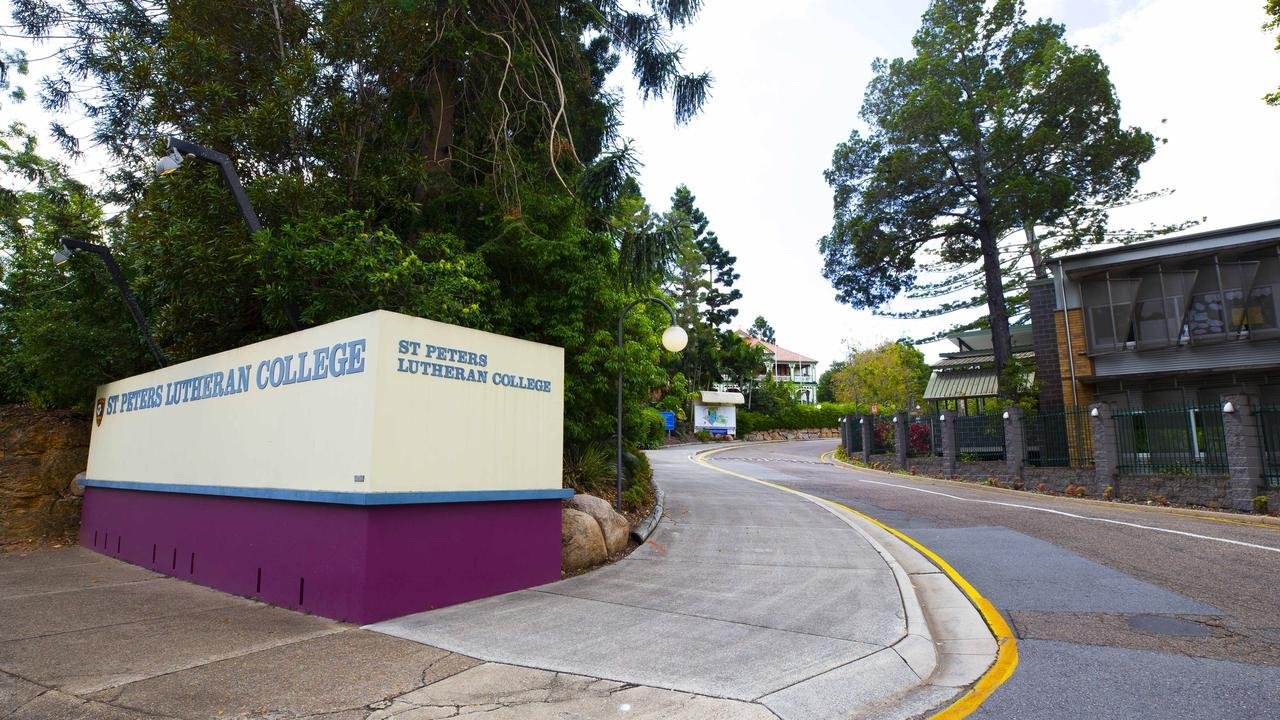
The controversy began when Jonathan Vickers, a trainee gospel worker from St Lucia Bible Church, gave a speech to St Peters Lutheran College in Brisbane’s western suburbs on August 24.
According to a parent, Vickers’ speech allegedly alluded to the idea that students who were gay would go to hell. The parent claimed that their child was left distressed by the comments, which were made in front of the entire school.
Vickers also reportedly suggested that people who waited too long to become Christian would suffer the same fate, sparking concerns among parents that the speech was not only homophobic but also coercive.
Several parents described the speech as ‘dangerous’ for already anxious teenagers, who may be struggling with their own identities and faith. The school was quick to respond to the backlash, sending three memos to parents assuring them that the comments did not reflect the college’s views.
Year 7 and 8 co-ordinator Helena Lambert said in an email that the school values diversity and inclusivity, and that the comments were not in line with their values.
“We also have many community members who identify as part of the LGBTQ+ community,” Lambert said.
“It is also important that we distinguish between the intentions of the young person who spoke in chapel and the impact of aspects of their message.”
The incident has sparked a heated debate about the role of faith in schools and the impact of homophobic rhetoric on young people.
While Vickers claims that his speech was ‘taken out of context’, many parents and students are unconvinced.
Analysis: What This Means for AustraliaThe incident highlights the ongoing tension between faith and inclusivity in Australian schools.
As the country becomes increasingly diverse, schools are facing pressure to balance their commitment to faith with the need to create a safe and inclusive environment for all students.
For many LGBTQ+ students, the experience of being told that their identity is sinful or immoral can be deeply damaging.
Research has shown that LGBTQ+ young people are already at higher risk of mental health problems, including depression and anxiety, due to the stigma and discrimination they face.
In this context, the comments made by Vickers are not just hurtful but also potentially harmful. By suggesting that being gay could send students to hell, Vickers is perpetuating a dangerous and outdated ideology that has no place in modern Australia.
Security analysts say that this type of rhetoric can also have broader implications for community safety and cohesion.
By promoting a message of exclusion and intolerance, Vickers is contributing to a culture of division and hostility that can have serious consequences for social cohesion.
Law enforcement insiders warn that this type of rhetoric can also be a recruitment tool for extremist groups, who often prey on vulnerable young people who feel marginalized or excluded.
Industry observers believe that the incident highlights the need for schools to be more careful about the messages they promote and the speakers they invite. By failing to provide a safe and inclusive environment, schools can inadvertently contribute to the harm and marginalization of already vulnerable students.
In response to the backlash, the school has announced that it is reviewing its process for selecting external speakers.
The head of college, Tim Kotzur, said that the school recognizes and regrets that some comments in the presentation caused genuine concerns for members of their community.
As a Lutheran school, we believe that every person is loved by God, and the dignity and worth of each person is not conditional upon their background, beliefs, identity, sexuality or circumstances,” Kotzur said.
“Nor do we believe faith should be communicated through fear or shame.”
The incident serves as a reminder that faith and inclusivity are not mutually exclusive, and that schools have a critical role to play in promoting a culture of acceptance and respect.
By failing to do so, schools can inadvertently contribute to the harm and marginalization of already vulnerable students.
The controversy began when Jonathan Vickers, a trainee gospel worker from St Lucia Bible Church, gave a speech to St Peters Lutheran College in Brisbane’s western suburbs on August 24. According to a parent, Vickers’ speech allegedly alluded to the idea that students who were gay would go to hell. The parent claimed that their child was left distressed by the comments, which were made in front of the entire school.
Vickers also reportedly suggested that people who waited too long to become Christian would suffer the same fate, sparking concerns among parents that the speech was not only homophobic but also coercive. Several parents described the speech as ‘dangerous’ for already anxious teenagers, who may be struggling with their own identities and faith.
The school was quick to respond to the backlash, sending three memos to parents assuring them that the comments did not reflect the college’s views. Year 7 and 8 co-ordinator Helena Lambert said in an email that the school values diversity and inclusivity, and that the comments were not in line with their values.
“We also have many community members who identify as part of the LGBTQ+ community,” Lambert said. “It is also important that we distinguish between the intentions of the young person who spoke in chapel and the impact of aspects of their message.”
The incident has sparked a heated debate about the role of faith in schools and the impact of homophobic rhetoric on young people. While Vickers claims that his speech was ‘taken out of context’, many parents and students are unconvinced.
The incident highlights the ongoing tension between faith and inclusivity in Australian schools. As the country becomes increasingly diverse, schools are facing pressure to balance their commitment to faith with the need to create a safe and inclusive environment for all students.
For many LGBTQ+ students, the experience of being told that their identity is sinful or immoral can be deeply damaging. Research has shown that LGBTQ+ young people are already at higher risk of mental health problems, including depression and anxiety, due to the stigma and discrimination they face.
In this context, the comments made by Vickers are not just hurtful but also potentially harmful. By suggesting that being gay could send students to hell, Vickers is perpetuating a dangerous and outdated ideology that has no place in modern Australia.
Security analysts say that this type of rhetoric can also have broader implications for community safety and cohesion. By promoting a message of exclusion and intolerance, Vickers is contributing to a culture of division and hostility that can have serious consequences for social cohesion.
Law enforcement insiders warn that this type of rhetoric can also be a recruitment tool for extremist groups, who often prey on vulnerable young people who feel marginalized or excluded.
Industry observers believe that the incident highlights the need for schools to be more careful about the messages they promote and the speakers they invite. By failing to provide a safe and inclusive environment, schools can inadvertently contribute to the harm and marginalization of already vulnerable students.
In response to the backlash, the school has announced that it is reviewing its process for selecting external speakers. The head of college, Tim Kotzur, said that the school recognizes and regrets that some comments in the presentation caused genuine concerns for members of their community.
As a Lutheran school, we believe that every person is loved by God, and the dignity and worth of each person is not conditional upon their background, beliefs, identity, sexuality or circumstances,” Kotzur said. “Nor do we believe faith should be communicated through fear or shame.”
The incident serves as a reminder that faith and inclusivity are not mutually exclusive, and that schools have a critical role to play in promoting a culture of acceptance and respect. By failing to do so, schools can inadvertently contribute to the harm and marginalization of already vulnerable students.