

Barnaby Joyce Under Fire: One Nation’s Superannuation Plan Exposed as Economists Warn of Inflationary Time Bomb
- One Nation’s early access superannuation policy could worsen the cost-of-living crisis, economists warn
- Barnaby Joyce struggles to explain the policy’s financial and economic consequences, saying he’s “not Jesus Christ”
- Independent economist Saul Eslake slams Joyce’s comments as “disturbing” and showing a lack of understanding of the economy
- Reserve Bank may be forced to increase interest rates if the policy is implemented, experts warn
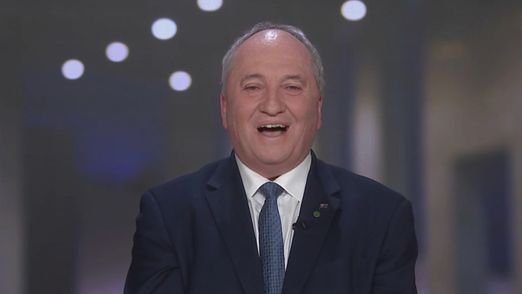
In a shocking display of economic ignorance, One Nation’s Treasury spokesperson Barnaby Joyce has stumbled over questions about the party’s proposed early superannuation access scheme, leaving Australians wondering if their retirement savings are being used as a political pawn.
The policy, announced on Monday, would allow Australians to divert a portion of their superannuation to their take-home pay for up to three years, with the promise of providing “breathing room” for people struggling with the cost of living.
However, economists have warned that the scheme could have a devastating inflationary impact, pumping more money into the economy and worsening the cost-of-living crisis.
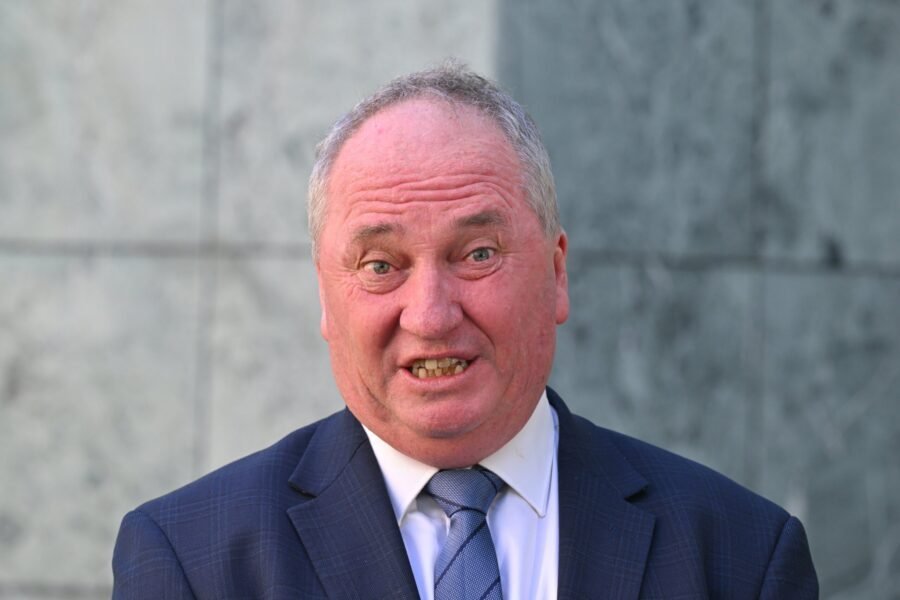
When questioned about the policy’s financial and economic consequences, Joyce pushed back, saying he was “not Jesus Christ” and couldn’t be expected to have all the answers.
However, his attempts to deflect criticism only raised more questions about his understanding of the economy. “The implications that I have to model you getting your own money, I find a little bit perverse.
It is actually your money,” he said.
But independent economist Saul Eslake was quick to point out that Joyce’s comments were “disturbing” and showed a fundamental lack of understanding of how the economy works.
“Money that is invested in superannuation is used to buy shares, government bonds and investments in overseas markets, which means it is not circulating in the Australian economy and adding to demand for goods and services,” Eslake explained.
Eslake warned that if the policy is implemented, it could lead to a surge in inflation, forcing the Reserve Bank to increase interest rates.
“If you instead take money out of superannuation so that there is less invested in financial and real investment assets, and instead it is sitting at least initially in a bank account, which history shows [people] are likely to withdraw to fund to use on additional spending, it will then go into the economy,” he said.
But Joyce remained defiant, insisting that the policy was sound and that “anyone with a brain” would be able to effectively use the scheme.
However, his comments were met with skepticism by experts, who pointed out that people, especially those on lower incomes, historically did not save additional salary, but spent it.
Analysis: What This Means for Australia
The proposed early superannuation access scheme has serious implications for Australia’s economic future.
If implemented, it could lead to a surge in inflation, forcing the Reserve Bank to increase interest rates and putting even more pressure on already-struggling households.
The policy also raises questions about the government’s ability to manage the economy and make informed decisions about Australians’ retirement savings.
Security analysts say that the policy is a classic example of a “quick fix” solution that fails to address the underlying issues driving the cost-of-living crisis.
“It’s a band-aid solution that may provide short-term relief, but ultimately does nothing to address the root causes of the problem,” one analyst said.
Law enforcement insiders warn that the policy could also have unintended consequences, such as encouraging people to take out more debt or make risky investments. “It’s a recipe for disaster,” one insider said.
“We’re already seeing a surge in debt and financial stress, and this policy could make things even worse.”
Industry observers believe that the policy is a clear example of the government’s lack of understanding of the economy and its willingness to play politics with Australians’ retirement savings.
“It’s a desperate attempt to buy votes, but it’s not a solution to the real problems facing this country,” one observer said.
As the debate over the proposed early superannuation access scheme continues, one thing is clear: Australians deserve better than a policy that puts their retirement savings at risk.
It’s time for the government to take a step back and rethink its approach to the cost-of-living crisis.