
One Nation Unveils Radical Plan to Slash Immigration by 750,000: Experts Warn of Economic Devastation and Regional Collapse
- One Nation’s proposal would cut student visas by nearly 60% and eliminate visas for families of skilled migrants, sparking fears of a recession and devastating regional communities.
- The plan would introduce a “net-negative migration” policy, reducing Australia’s population growth and prioritizing “high-value” students and skilled workers.
- Experts warn that the policy would exacerbate labor shortages, damage the economy, and undermine Australia’s global competitiveness.
- The proposal has sparked a fierce debate over the country’s immigration policy, with Labor and business leaders condemning the plan as “knee-jerk” and “economically disastrous.”
The One Nation party has unveiled a radical plan to slash immigration by 750,000 places over three years, sparking warnings of economic devastation and regional collapse.
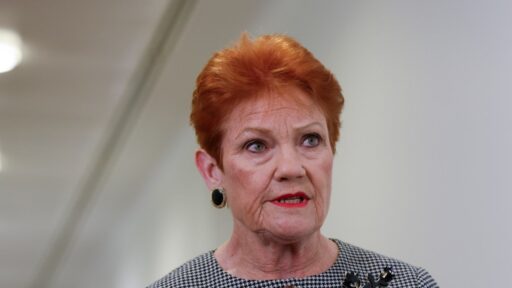
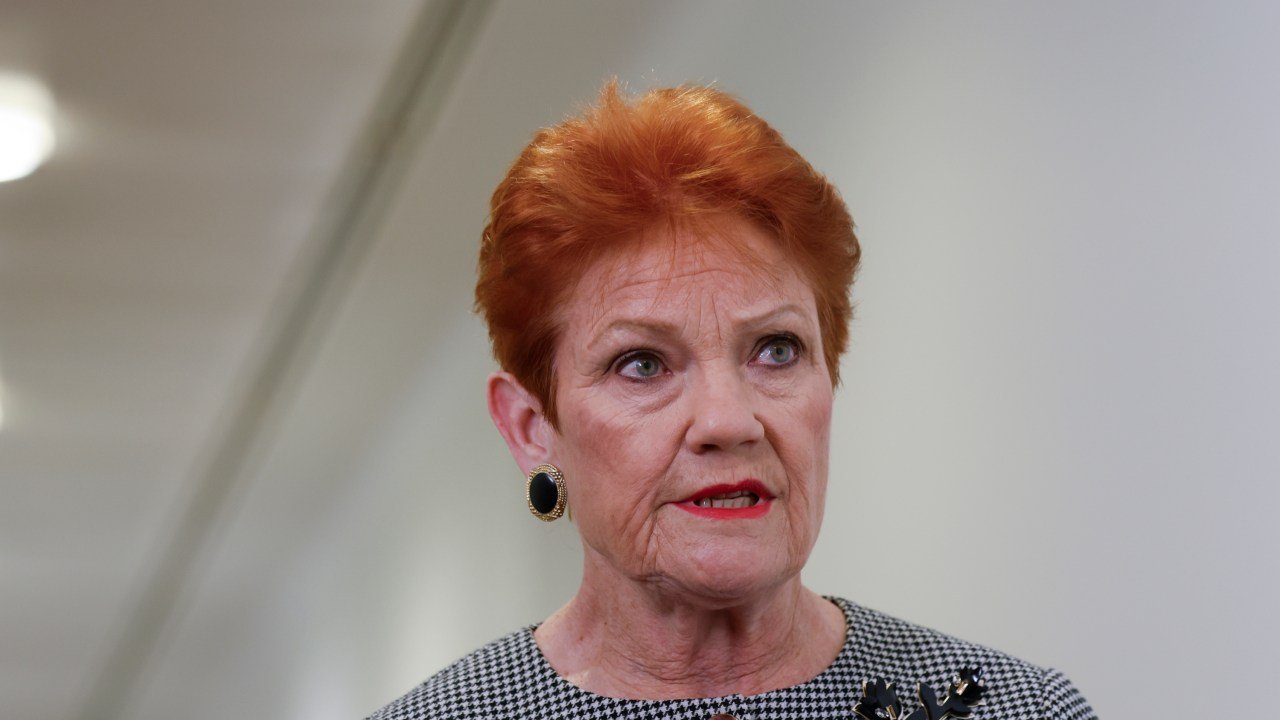
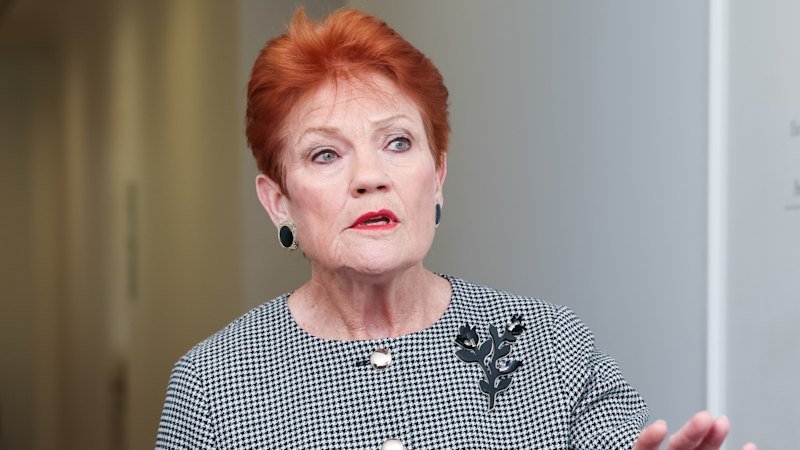
The proposal, announced by party leader Pauline Hanson, would cut student visas by nearly 60% and eliminate visas for families of skilled migrants. The plan would also introduce a “net-negative migration” policy, reducing Australia’s population growth and prioritizing “high-value” students and skilled workers.
According to the proposal, student visas would be capped at just over 100,000 places a year, down from the current 590,000.
Visas for families of both international students and skilled migrants would be cut to zero, and people who overstayed their visa would be banned from Australia for life.
The party claims the plan would give Australians “breathing room” and address concerns over housing affordability and job competition.
However, experts warn that the policy would exacerbate labor shortages, damage the economy, and undermine Australia’s global competitiveness.
Labor frontbencher Murray Watt described the plan as “knee-jerk” and “economically disastrous,” warning that it would “destroy regional economies” and “probably drive the Australian economy into recession.”
Business leaders have also condemned the plan, with the Australian Chamber of Commerce stating that “major cuts that reduce skilled migration would damage our economy, hit the budget, and weaken our capacity to provide services for, and lift, living standards for Australians.” The National Farmers Federation chief executive Michael Guerin warned that farm workers were not responsible for Australia’s housing crisis and that migration should not be treated as a “political football.”
Analysis: What This Means for Australia
The One Nation proposal has significant implications for Australia’s economy, national security, and social cohesion.
The plan’s focus on “high-value” students and skilled workers may attract top talent, but it also risks exacerbating labor shortages and undermining the country’s global competitiveness.
The elimination of visas for families of skilled migrants may also deter top talent from coming to Australia, as they may not want to leave their families behind.
The proposal’s impact on regional communities is also a major concern.
The plan’s focus on reducing population growth may alleviate some pressure on housing markets, but it also risks exacerbating labor shortages and undermining the economic viability of regional areas.
The National Farmers Federation has warned that international students contribute significantly to agriculture’s workforce, particularly in casual and seasonal roles.
Security analysts say that the plan’s focus on “net-negative migration” may also have national security implications, as it could create a shortage of skilled workers in critical areas such as defense and cybersecurity.
Law enforcement insiders warn that the plan’s ban on visa overstayers may also create a black market for illicit labor, undermining efforts to combat people smuggling and human trafficking.
Industry observers believe that the proposal is a classic example of a “policy on the run,” driven by populist sentiment rather than a careful consideration of the economic and social implications.
They warn that the plan’s implementation could be chaotic, with significant disruptions to businesses, universities, and regional communities.
As the debate over immigration policy continues to intensify, one thing is clear: the One Nation proposal is a radical and far-reaching plan that would have significant implications for Australia’s economy, national security, and social cohesion.
As the country grapples with the challenges of population growth, labor shortages, and global competitiveness, it is essential that policymakers take a careful and considered approach to immigration policy, one that balances competing interests and priorities.