
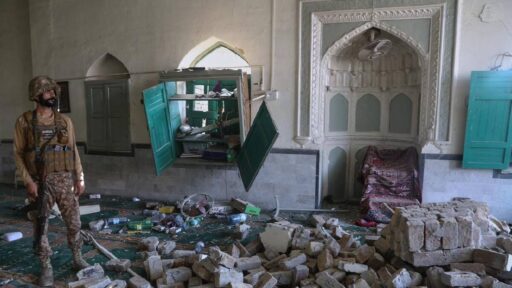
Pakistan Teeters On Brink Of Chaos As Mosque Attack Kills At Least 21 And Injures Dozens, Raising Fears Of Escalating Violence And Regional Instability
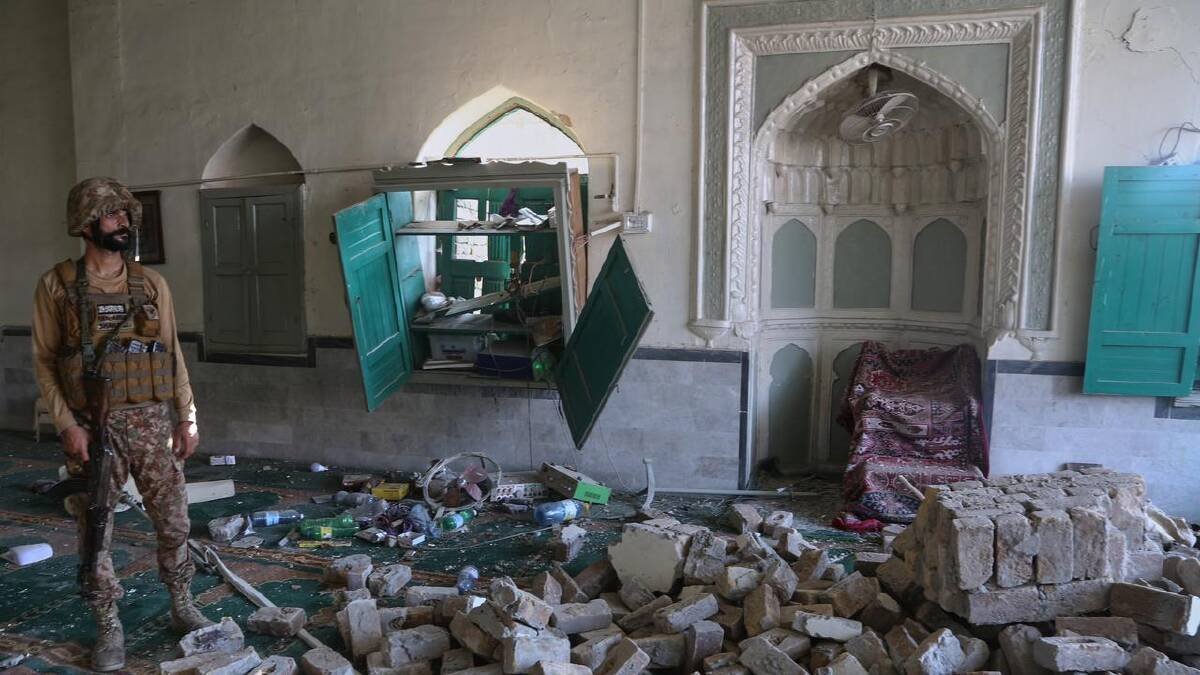
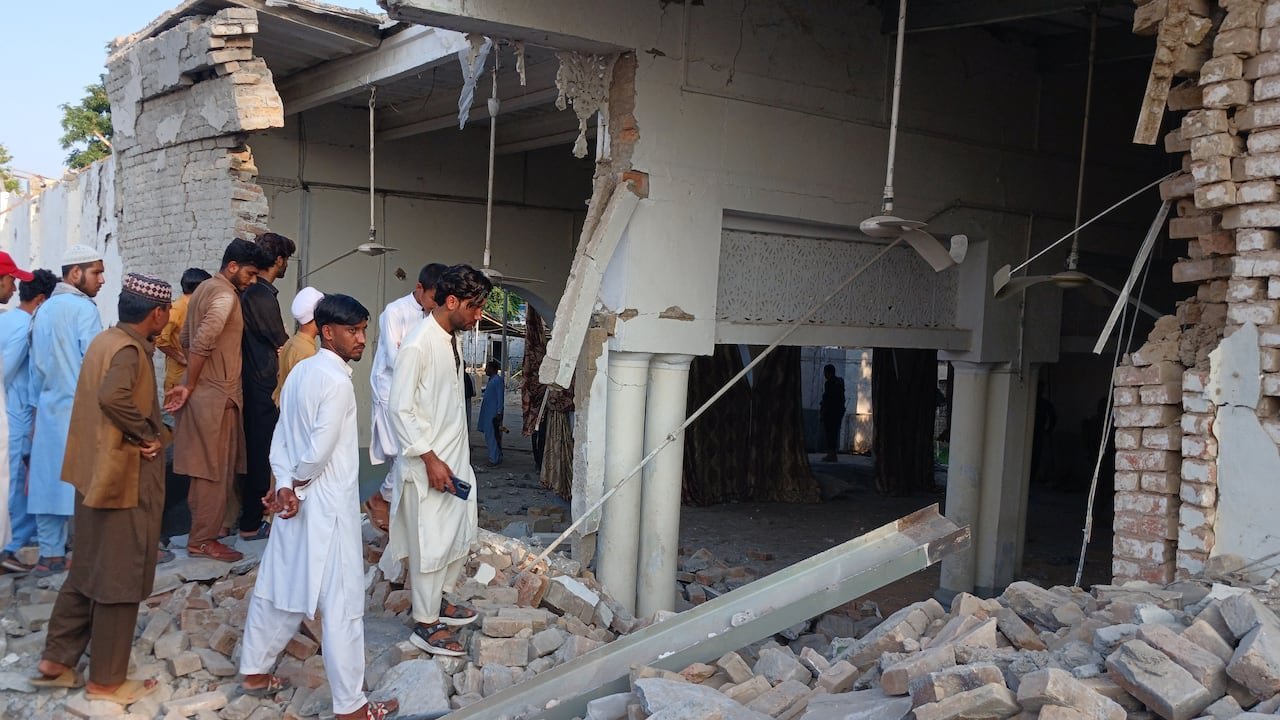
- A devastating attack on a mosque in north-western Pakistan has left at least 21 people dead and dozens wounded, sparking widespread outrage and concerns about the country’s ability to combat rising militant violence.
- The coordinated assault, which involved a vehicle bomb and armed gunmen, targeted a mosque near police offices in Kohat, a district in Khyber Pakhtunkhwa, and has been blamed on the Pakistani Taliban.
- The attack is the latest in a surge of militant violence near the Afghanistan border, where Pakistani Taliban militants have increasingly targeted police and other security forces as the government intensifies operations against them.
- Experts warn that the escalating violence could have far-reaching consequences for regional stability and security, with potential implications for Australia’s national security and counter-terrorism efforts.
The attack on the mosque in Kohat is a stark reminder of the devastating consequences of militant violence and the need for effective counter-terrorism strategies.
The fact that the attack was carried out in a area with a significant police presence highlights the sophistication and brazenness of the militants involved. As the investigation into the attack continues, authorities are racing to identify the perpetrators and prevent further attacks.
The Pakistani Taliban, formally known as Tehrik-e-Taliban Pakistan, or TTP, has been responsible for numerous attacks on police and civilians in recent years.
The group’s ability to carry out complex and coordinated attacks has raised concerns about the effectiveness of Pakistan’s counter-terrorism efforts and the need for increased international cooperation to combat militant violence.
The TTP’s alliance with Afghanistan’s Taliban has also heightened tensions between Pakistan and Afghanistan, with both countries accusing each other of harboring militants and failing to prevent cross-border attacks.
The recent attack is not an isolated incident, but rather part of a broader pattern of escalating violence in the region. In 2023, a suicide bomber killed 101 people in an attack inside a mosque in Peshawar, the capital of Khyber Pakhtunkhwa province.
The Pakistani Taliban has also been responsible for numerous other attacks on police and civilians, including the killing of six soldiers in a roadside bomb attack in the north-western Hangu district.
The group’s stepped-up attacks on police and civilians have raised concerns about the stability of the region and the need for effective counter-terrorism strategies.
Security analysts say that the attack on the mosque in Kohat highlights the need for increased international cooperation to combat militant violence.
The fact that the Pakistani Taliban is able to carry out complex and coordinated attacks with relative impunity raises concerns about the effectiveness of Pakistan’s counter-terrorism efforts and the need for increased support from the international community.
The attack also underscores the importance of addressing the root causes of militant violence, including poverty, inequality, and social injustice, in order to prevent further attacks and promote regional stability.
Analysis: What This Means for Australia.
The attack on the mosque in Kohat has significant implications for Australia’s national security and counter-terrorism efforts.
The fact that the Pakistani Taliban is able to carry out complex and coordinated attacks with relative impunity raises concerns about the potential for similar attacks to occur in Australia.
The attack also highlights the need for increased international cooperation to combat militant violence and the importance of addressing the root causes of extremism.
As Australia continues to play a key role in regional counter-terrorism efforts, it is essential that the government prioritizes the development of effective strategies to prevent and respond to militant attacks.
Law enforcement insiders warn that the attack on the mosque in Kohat is a stark reminder of the devastating consequences of militant violence and the need for effective counter-terrorism strategies.
The fact that the attack was carried out in a area with a significant police presence highlights the sophistication and brazenness of the militants involved. As the investigation into the attack continues, authorities are racing to identify the perpetrators and prevent further attacks.
The attack also underscores the importance of addressing the root causes of militant violence, including poverty, inequality, and social injustice, in order to prevent further attacks and promote regional stability.
Industry observers believe that the attack on the mosque in Kohat is a wake-up call for the international community to take decisive action against militant violence.
The fact that the Pakistani Taliban is able to carry out complex and coordinated attacks with relative impunity raises concerns about the effectiveness of Pakistan’s counter-terrorism efforts and the need for increased support from the international community.
The attack also highlights the importance of addressing the root causes of extremism, including poverty, inequality, and social injustice, in order to prevent further attacks and promote regional stability.
As the international community continues to grapple with the challenges of combating militant violence, it is essential that governments prioritize the development of effective strategies to prevent and respond to militant attacks.
The attack on the mosque in Kohat has also raised concerns about the potential for further attacks in the region.
The fact that the Pakistani Taliban is able to carry out complex and coordinated attacks with relative impunity raises concerns about the stability of the region and the need for effective counter-terrorism strategies.
The attack also underscores the importance of addressing the root causes of militant violence, including poverty, inequality, and social injustice, in order to prevent further attacks and promote regional stability.
As the investigation into the attack continues, authorities are racing to identify the perpetrators and prevent further attacks.
As the situation in Pakistan continues to unfold, it is essential that the international community remains vigilant and committed to combating militant violence. The attack on the mosque in Kohat is a stark reminder of the devastating consequences of extremism and the need for effective counter-terrorism strategies.
The fact that the Pakistani Taliban is able to carry out complex and coordinated attacks with relative impunity raises concerns about the effectiveness of Pakistan’s counter-terrorism efforts and the need for increased support from the international community.
The attack also highlights the importance of addressing the root causes of militant violence, including poverty, inequality, and social injustice, in order to prevent further attacks and promote regional stability.
In order to combat militant violence, it is essential that governments prioritize the development of effective counter-terrorism strategies. This includes counter-terrorism efforts to prevent and respond to militant attacks, as well as economic development initiatives to address the root causes of extremism.
The international community must also work together to share intelligence and best practices in order to prevent further attacks and promote regional stability.
As the situation in Pakistan continues to unfold, it is essential that the international community remains committed to combating militant violence and promoting peace and stability in the region.
Security experts say that the attack on the mosque in Kohat highlights the need for increased international cooperation to combat militant violence.
The fact that the Pakistani Taliban is able to carry out complex and coordinated attacks with relative impunity raises concerns about the effectiveness of Pakistan’s counter-terrorism efforts and the need for increased support from the international community.
The attack also underscores the importance of addressing the root causes of extremist ideology, including poverty, inequality, and social injustice, in order to prevent further attacks and promote regional stability.
As the investigation into the attack continues, authorities are racing to identify the perpetrators and prevent further attacks.
The attack on the mosque in Kohat has also raised concerns about the potential for further attacks in Australia.
The fact that the Pakistani Taliban is able to carry out complex and coordinated attacks with relative impunity raises concerns about the potential for similar attacks to occur in Australia.
The attack also highlights the importance of addressing the root causes of extremist ideology, including poverty, inequality, and social injustice, in order to prevent further attacks and promote regional stability.
As the international community continues to grapple with the challenges of combating militant violence, it is essential that governments prioritize the development of effective strategies to prevent and respond to militant attacks.
According to Australian Bureau of Statistics, the threat of militant violence is a significant concern for Australia’s national security.
The fact that the Pakistani Taliban is able to carry out complex and coordinated attacks with relative impunity raises concerns about the potential for similar attacks to occur in Australia.
The attack also highlights the importance of addressing the root causes of extremist ideology, including poverty, inequality, and social injustice, in order to prevent further attacks and promote regional stability.
As the investigation into the attack continues, authorities are racing to identify the perpetrators and prevent further attacks.