
Australia Teeters On The Brink Of A Demographic Time Bomb: Deaths To Outnumber Births By 2060s As Fertility Rates Plummet And Population Ages
- Australia’s population is projected to grow at a drastically slower rate, reaching 39.3 million by 2065-66, with migration becoming the sole driver of growth
- The country’s fertility rate is expected to plummet to 1.34 babies per woman by 2065-66, exacerbating the ageing population crisis
- The number of Australians aged 85 and older is set to triple over the next 40 years, placing immense pressure on public finances and healthcare services
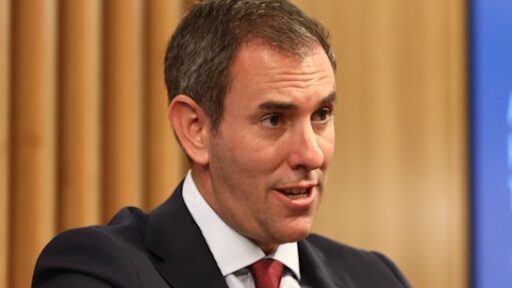
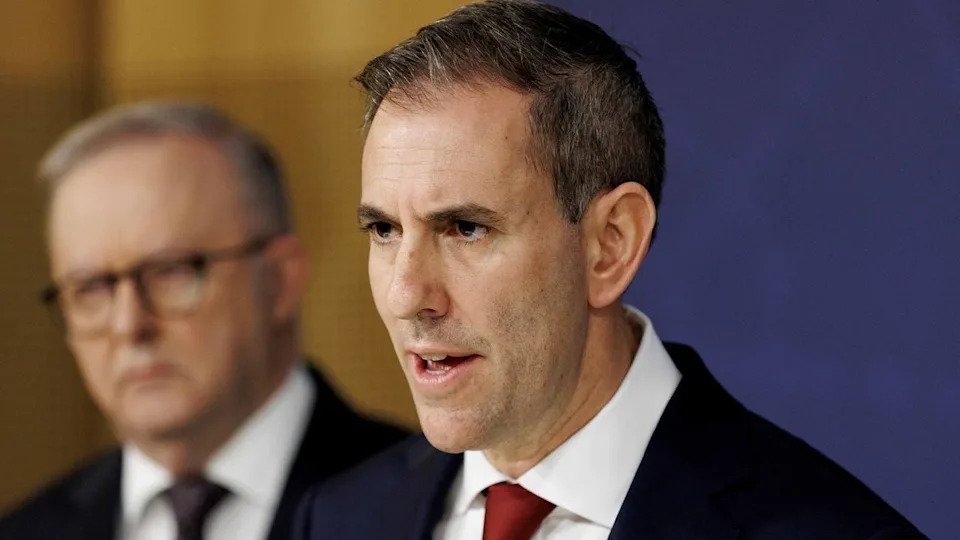
- Treasurer Jim Chalmers warns that the demographic shift will have far-reaching consequences for the economy, healthcare, and social services, with one-third of all additional health spending driven by ageing alone
Australia is staring down the barrel of a demographic disaster, with a perfect storm of plummeting fertility rates, an ageing population, and a dwindling workforce threatening to upend the country’s economic and social fabric.
The latest projections from the Intergenerational Report paint a dire picture, with deaths expected to outnumber births by the 2060s, marking a significant turning point in the nation’s history.
As the population ages and the fertility rate continues to decline, migration will become the sole driver of growth, with new migrants arriving with a median age of 26, compared to 38 for the resident population.
The core news is stark: Australia’s population is still projected to grow, but at a much slower rate, reaching 39.3 million by 2065-66.
The fertility rate, currently sitting at 1.48 babies per woman, is expected to fall to 1.34 by 2065-66, a decline that will have far-reaching consequences for the economy, healthcare, and social services.
The number of Australians aged under 20 is projected to increase by just 10.4 per cent by the early 2060s, a paltry gain compared to the almost 28 per cent increase forecast in the 2023 report.
Meanwhile, the number of Australians aged 85 and older is expected to triple over the next 40 years, placing immense pressure on public finances and healthcare services.
So, why is this happening now? The answer lies in a combination of factors, including a decline in fertility rates, an ageing population, and a lack of investment in emerging industries.
Australia’s population has been ageing for decades, but the pace of change is accelerating, with the number of older Australians increasing at a rate that is outpacing the growth of the younger population.
This demographic shift is not unique to Australia, with many advanced economies, including Japan, South Korea, and Germany, already experiencing similar trends. However, the consequences for Australia will be particularly severe, given the country’s reliance on a strong workforce and a robust economy.
Analysis: What This Means for Australia is a sobering assessment of the demographic time bomb ticking away.
The implications for national security, law enforcement, and community safety are significant, with an ageing population and a dwindling workforce threatening to undermine the country’s economic and social stability.
The federal government’s payments are forecast to climb to 27.7 per cent of GDP over the next four decades, with population ageing identified as one of the key drivers of higher spending.
One-third of all additional health spending over the next 40 years will be driven by ageing alone, placing immense pressure on the federal budget and healthcare services.
Security analysts say that the demographic shift will require a fundamental rethink of Australia’s economic and social policies, with a greater emphasis on emerging industries, such as renewable energy, critical minerals, and AI-powered industries, which will become increasingly important sources of growth.
Law enforcement insiders warn that the demographic shift will also have significant implications for community safety, with an ageing population and a dwindling workforce threatening to undermine the country’s social cohesion.
Industry observers believe that the government will need to invest heavily in emerging industries and technologies to mitigate the effects of the demographic shift, with a focus on creating new jobs and opportunities for younger Australians.
As Treasurer Jim Chalmers noted, the demographic shift will require a fundamental rethink of Australia’s economic and social policies, with a greater emphasis on long-term challenges and a willingness to invest in the country’s future.
The alternative is a future marked by economic stagnation, social unrest, and a declining standard of living, a prospect that should focus the minds of policymakers and the broader community.
The consequences of inaction will be severe, with the country’s economic and social stability threatened by a perfect storm of demographic change. The government’s response will be critical, with a need for bold and innovative policies to address the challenges posed by the demographic shift.
This will require a willingness to invest in emerging industries and technologies, to create new jobs and opportunities for younger Australians, and to rethink the country’s economic and social policies.
The stakes are high, but with the right approach, Australia can navigate the demographic time bomb and emerge stronger, more resilient, and more prosperous than ever before.
As the country teeters on the brink of a demographic disaster, one thing is clear: the future of Australia depends on it.
population ageing and fertility rates will be critical factors in shaping the country’s future, with Australian Bureau of Statistics data providing a vital insight into the demographic trends that are driving these changes.
In conclusion, the demographic shift facing Australia is a complex and multifaceted challenge that will require a comprehensive and innovative response.
The government, policymakers, and the broader community must work together to address the challenges posed by the demographic shift, with a focus on creating a stronger, more resilient, and more prosperous Australia for all.
This will require a willingness to invest in emerging industries and technologies, to create new jobs and opportunities for younger Australians, and to rethink the country’s economic and social policies.
The future of Australia depends on it, and the time for action is now. With the right approach, Australia can navigate the demographic time bomb and emerge stronger, more resilient, and more prosperous than ever before.
The country’s economic and social stability depend on it, and the consequences of inaction will be severe.
economic growth and social cohesion will be critical factors in shaping the country’s future, with Reserve Bank of Australia data providing a vital insight into the economic trends that are driving these changes.