
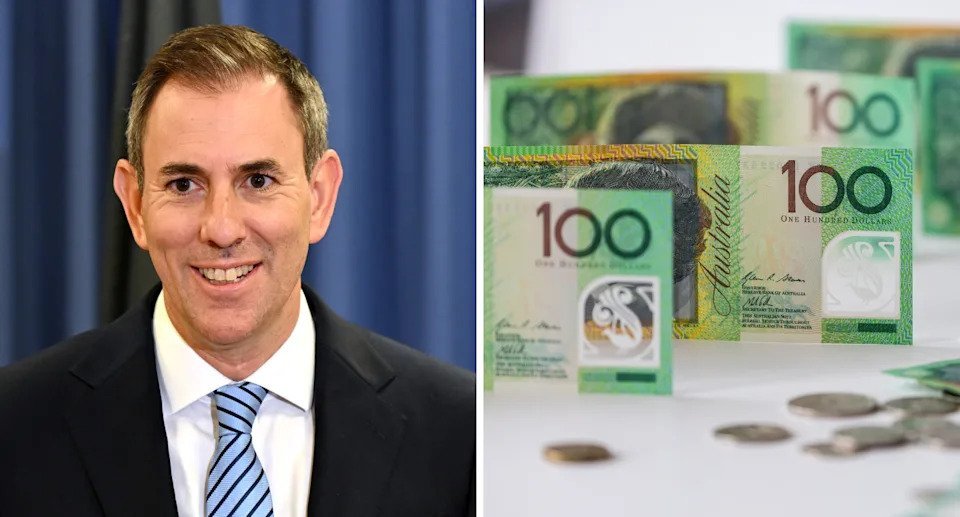
Australia’s Economic Future Hangs in the Balance as Treasurer Jim Chalmers Dangles Carrot of Income Tax Cuts Amidst Labor’s Slumping Polls
- The Albanese government is hinting at more income tax cuts in a desperate bid to turn around its fortunes, with Treasurer Jim Chalmers citing the seventh Intergenerational Report as proof of the government’s sound financial management.
- However, experts warn that the promise of tax cuts is nothing more than a smoke screen, designed to distract from the government’s lack of a coherent economic plan and its failure to deliver on past promises.
- As Australia’s budget deficits continue to mount, the government’s ability to fund permanent tax cuts is under scrutiny, with many arguing that any reductions should be backed by sustainable funding and spending restraint.
- The Intergenerational Report’s projections of household energy savings and fertility rates have also been questioned, with critics arguing that the government’s claims are based on flawed assumptions and a lack of detail.
The Australian government is at a crossroads, with Treasurer Jim Chalmers attempting to shore up support for the embattled Labor party by dangling the prospect of income tax cuts.
However, this move has been met with skepticism by many, who argue that the government’s financial management has been far from sound.
With budget deficits stretching out as far as the eye can see, the question on everyone’s lips is: how will the government fund these tax cuts, and what will be the long-term consequences for the Australian economy?
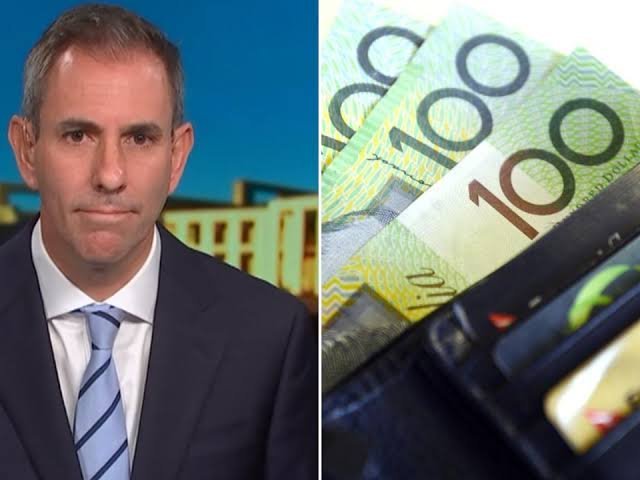
The seventh Intergenerational Report has been touted by Chalmers as proof of the government’s economic credentials, but a closer examination of the report reveals a more nuanced picture.
The document highlights the need for broad-based tax reform, including an examination of how Australia taxes income, consumption, land, and investment.
However, the government’s response to this challenge has been underwhelming, with many arguing that the proposed tax cuts are nothing more than a Band-Aid solution.
As one expert noted, “The government needs to take a more holistic approach to tax reform, rather than just tinkering around the edges.” This is especially important when considering the impact of bracket creep on Australian taxpayers.
At the heart of the issue is the question of how to fund permanent tax cuts. While workers undoubtedly deserve income tax relief, the government’s ability to deliver this relief is constrained by its own spending habits.
As Australian Bureau of Statistics data shows, the government’s budget deficits are set to continue for the foreseeable future, which raises questions about the sustainability of any tax cuts.
Security analysts say that the government needs to take a more disciplined approach to spending, rather than relying on clever accounting tricks to balance the books.
This is particularly important in the context of national security, where a strong economy is essential for funding the country’s defense and security priorities.
So, what does this mean for Australia? The answer is complex, but one thing is clear: the government’s economic plan is in disarray.
With the country facing significant challenges, from rising energy costs to stagnant productivity growth, the need for a coherent and sustainable economic plan has never been more pressing.
As Reserve Bank of Australia Governor Philip Lowe has noted, “The Australian economy is facing a number of challenges, and the government needs to take a more proactive approach to addressing these issues.” This is especially important in the context of economic growth, where a strong and stable economy is essential for funding public services and improving living standards.
Analysis: What This Means for Australia is that the government’s economic plan is under scrutiny.
The promise of tax cuts may be a short-term political fix, but it does nothing to address the underlying issues facing the Australian economy.
Law enforcement insiders warn that the government’s lack of a coherent economic plan is a major concern, as it undermines the country’s ability to fund its priorities and respond to emerging challenges.
As one expert noted, “The government needs to take a more strategic approach to economic policy, rather than just reacting to short-term political pressures.” This is particularly important in the context of law enforcement, where a strong and stable economy is essential for funding policing and justice initiatives.
Experts warn that the government’s approach to economic policy is flawed, and that a more nuanced approach is needed.
As one industry observer noted, “The government needs to take a more holistic approach to economic policy, rather than just focusing on short-term political gains.” This is especially important in the context of social consequences, where a strong and stable economy is essential for funding public services and improving living standards.
For example, the government’s proposed tax cuts could have significant implications for housing affordability, as they may reduce the amount of revenue available for housing initiatives and other social programs.
In conclusion, the Australian government’s economic plan is in disarray, and the promise of tax cuts is nothing more than a smokescreen. As voters, we deserve better than empty promises and short-term fixes.
We need a government that is willing to take a long-term view, and to develop a coherent and sustainable economic plan that addresses the real challenges facing our country.
This is especially important in the context of economic consequences, where a strong and stable economy is essential for funding public services and improving living standards.
By taking a more strategic and sustainable approach to economic policy, the government can help to ensure that Australia remains a prosperous and secure nation for generations to come.