
Albanese On Brink Of Collapse: Labor’s Vote Plummets To Historic Low As Australians Turn Against The Government
- A stunning new poll reveals Labor’s primary vote has crashed to a dismal 27 per cent, the party’s worst result in nearly 15 years, with Anthony Albanese’s net satisfaction rating plummeting to -27 per cent.
- The major parties are facing an unprecedented crisis, with a staggering 54 per cent of voters now supporting minor parties or independents, as One Nation capitalises on the exodus with a massive 30 per cent share of the primary vote.
- As Labor frontbenchers scramble to defend the government’s record, Social Services Minister Tanya Plibersek admits that Australians are “still feeling the pressure” and that the party’s focus is on relieving that pressure through higher wages and cost-of-living relief.
- With the economy in turmoil and the government’s popularity in freefall, Labor’s Science and Technology Minister Andrew Charlton insists that his party is the only one with the courage to take tough decisions and make significant changes to address the nation’s woes.
The latest Newspoll results have sent shockwaves through the corridors of power, with Labor’s vote share plummeting to its lowest level since Julia Gillard’s tumultuous tenure as Prime Minister in 2013.
The party’s primary vote has crashed to a dismal 27 per cent, with Anthony Albanese’s net satisfaction rating plummeting to -27 per cent, a stark reminder of the deepening discontent among Australian voters.
The poll results are a damning indictment of the government’s performance, with the major parties facing an unprecedented crisis as 54 per cent of voters now support minor parties or independents.
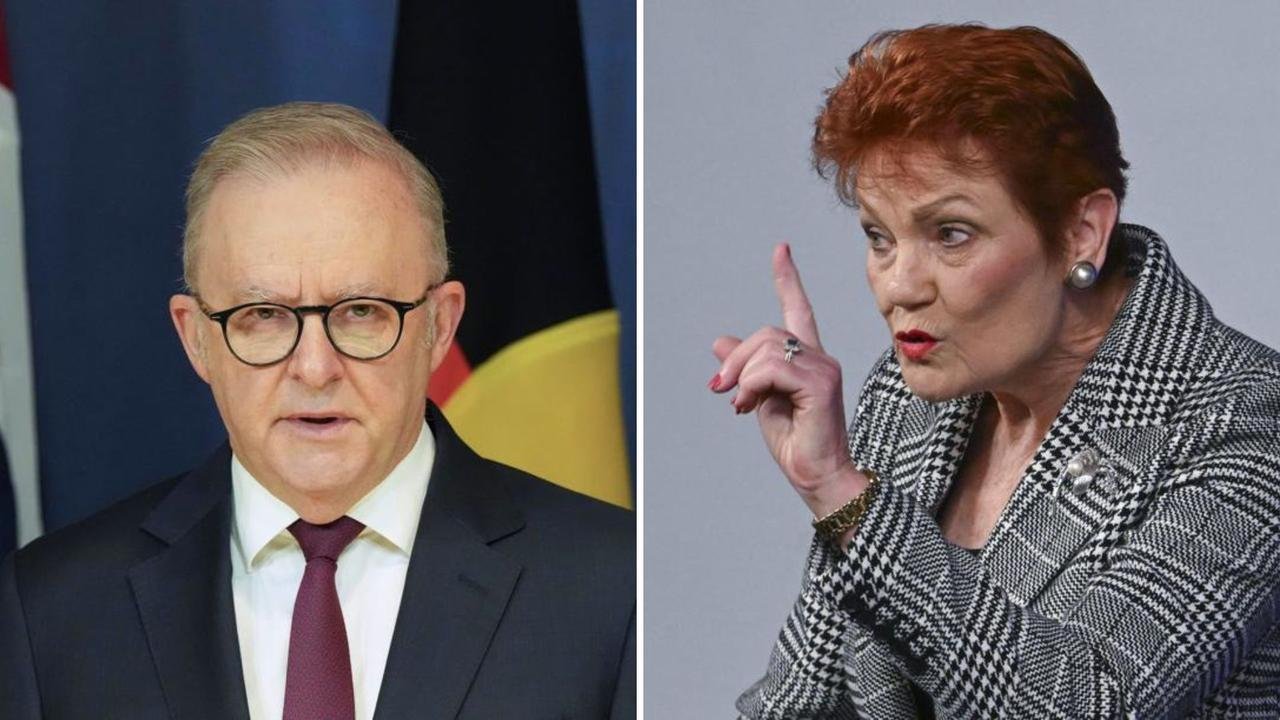
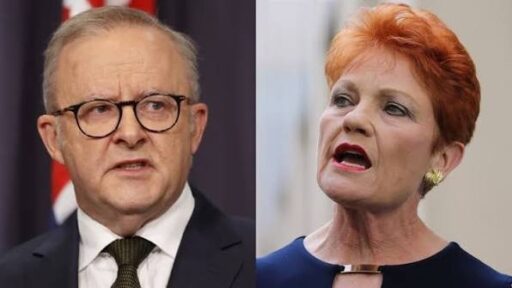
One Nation is the clear beneficiary of this mass exodus, with a massive 30 per cent share of the primary vote, although Australians still prefer Albanese to Pauline Hanson as Prime Minister.
The Labor leader garnered 44 per cent of the vote, compared to Senator Hanson’s 32 per cent and Opposition Leader Angus Taylor’s 24 per cent.
The Bondi terrorist attack, the removal of tax concessions in the federal budget, and a gloomy economic outlook have all taken their toll on Labor’s popularity, with the party’s vote share sliding relentlessly over the past year.
The 37 per cent of Australians who supported the party 12 months ago have dwindled to a mere 27 per cent, a stark reminder of the government’s failure to connect with the electorate.
As Labor frontbenchers scramble to defend the government’s record, Social Services Minister Tanya Plibersek admits that Australians are “still feeling the pressure” and that the party’s focus is on relieving that pressure through higher wages and cost-of-living relief.
According to economic crisis, the current economic climate is a major contributor to the government’s woes, with many Australians struggling to make ends meet. Australian Bureau of Statistics data shows that the cost of living has increased significantly over the past year, putting a strain on household budgets.
As the government grapples with the economic fallout, Labor’s Science and Technology Minister Andrew Charlton insists that his party is the only one with the courage to take tough decisions and make significant changes to address the nation’s woes.
Security analysts say that the government’s handling of the economy and national security has been a major factor in the decline of public trust. “The current economic situation is a perfect storm of high inflation, low wages growth, and a lack of investment in key sectors,” says one expert.
“The government needs to take bold action to address these issues and restore public confidence.” Law enforcement insiders warn that the rise of minor parties and independents is a symptom of a deeper disillusionment with the major parties, and that the government needs to take a more nuanced approach to addressing the concerns of Australian voters.
Analysis: What This Means for Australia is a stark reminder of the deepening crisis facing the government.
The poll results have significant implications for national security, with the rise of minor parties and independents potentially leading to a fragmentation of the political landscape.
This, in turn, could have serious consequences for law enforcement and border control, as well as the economy and social cohesion.
As the government struggles to regain the trust of the Australian people, it is clear that a new approach is needed, one that prioritises the needs and concerns of voters and provides a clear vision for the country’s future.
Industry observers believe that the government’s handling of the economy and national security has been a major factor in the decline of public trust. “The government needs to take a more proactive approach to addressing the concerns of Australian voters,” says one expert.
“This includes investing in key sectors, such as education and healthcare, and providing a clear vision for the country’s future.” As the government grapples with the challenges facing the nation, it is clear that a new approach is needed, one that prioritises the needs and concerns of voters and provides a clear vision for the country’s future.