
Homelessness Crisis Engulfs Broken Hill As Charity Plea For Transitional Campsite Is Rejected Amid Fears Of Neighbouring Residents And Businesses
- A desperate plea from a Broken Hill food charity to establish a transitional campsite for the city’s growing homeless population has been met with resistance from local authorities, citing concerns over land availability and community impact.
- Feeding Friends, a charity that has been serving hot meals to those in need for five years, is facing an “urgent need for secure, stable spaces” as demand for its services surges amid the cost-of-living crisis.
- The charity’s president, Don Barron, has expressed disappointment and frustration over the council’s decision, highlighting the need for a multi-tiered approach to address homelessness, involving local, state, and federal governments.
- As the situation continues to deteriorate, experts warn that the lack of a proper legal framework to regulate homelessness in New South Wales is exacerbating the problem, with many forced to live in cars or makeshift shelters.
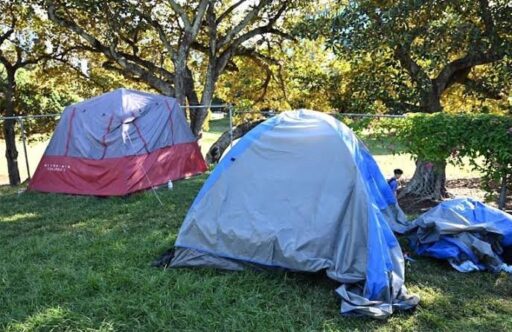
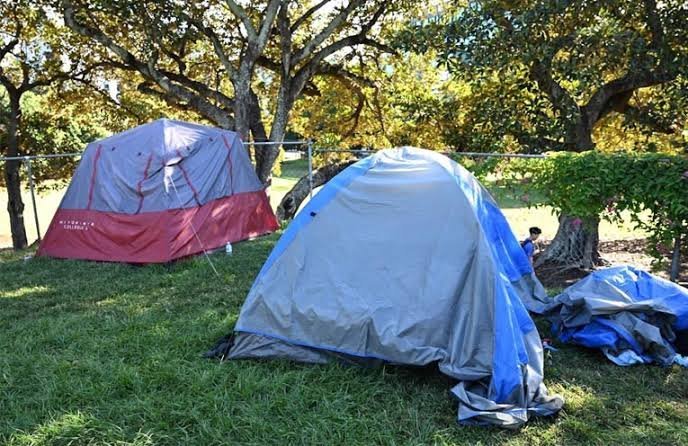
The city of Broken Hill is grappling with a deepening homelessness crisis, as a local food charity’s request for a council land to build a transitional campsite has been rejected.
The decision has sparked concerns over the welfare of those affected, with many struggling to find secure and stable accommodation. Feeding Friends, the charity at the centre of the controversy, has been serving the community for five years, providing hot meals to those in need.
However, with demand for its services increasing exponentially, the charity is now facing an unprecedented challenge in meeting the needs of the city’s growing homeless population.
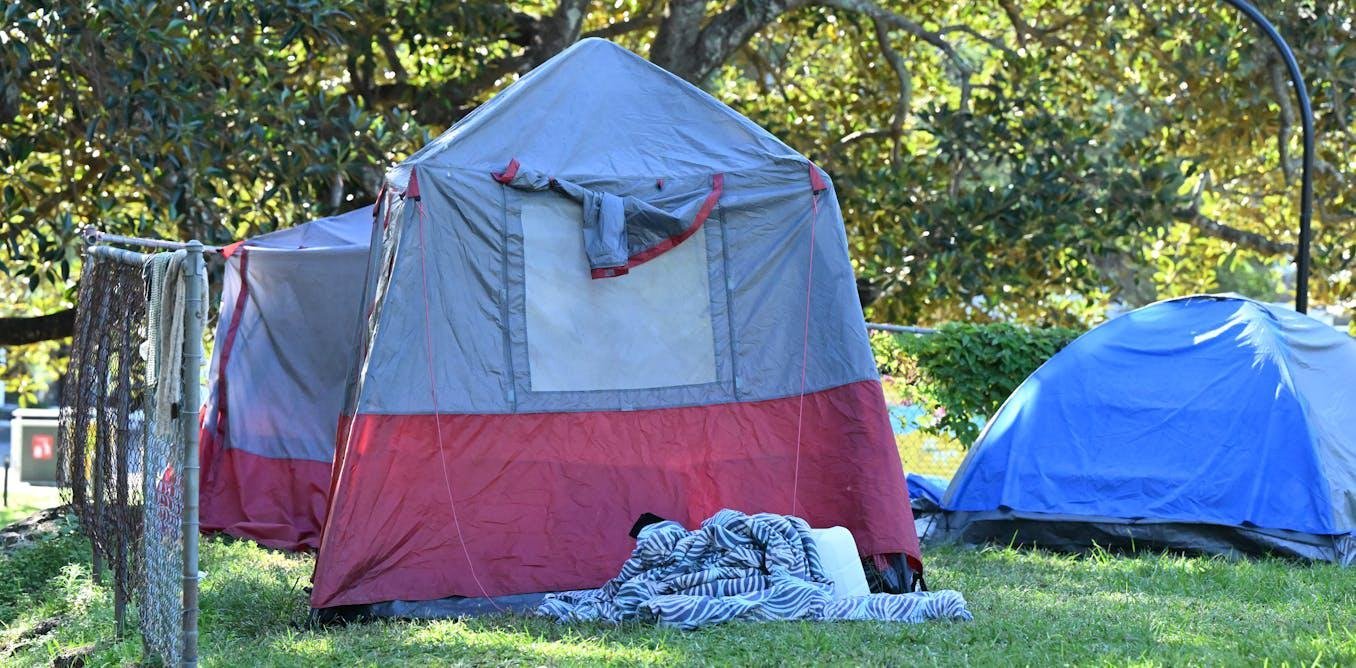
At the heart of the issue is the lack of available land for the proposed campsite.
Broken Hill City Council has indicated that no suitable land is available, and even if it were, the process of obtaining planning approvals and conducting public consultations would be lengthy and complex.
The council’s mayor, Tom Kennedy, has made it clear that the charity would need to acquire land itself, a daunting task given the limited resources available to community organisations.
Meanwhile, locals have raised concerns over the potential impact of a homeless encampment on neighbouring residents and businesses, citing fears over safety, noise, and property values.
However, experts argue that the issue of homelessness in Broken Hill is far more complex than a simple matter of land availability.
Derwent Coshott, a senior lecturer in law at Sydney University, points out that the lack of a proper legal framework to regulate homelessness in New South Wales is a major contributing factor to the crisis.
The state government’s protocol for homeless people in public places, which effectively allows for a policy of non-enforcement, has created a situation where individuals and organisations are forced to operate in a grey area, without clear guidelines or support.
This has led to a lack of accountability and a sense of uncertainty, making it difficult for charities like Feeding Friends to provide effective services to those in need.
As the situation continues to deteriorate, the human cost of the homelessness crisis in Broken Hill is becoming increasingly apparent. Don Barron, the president of Feeding Friends, knows firsthand the struggles of living on the streets, having experienced homelessness himself.
He is adamant that the issue requires a multi-tiered approach, involving local, state, and federal governments, as well as the community at large. “It’s not just a local council problem, it’s a three-tier problem,” he says.
“We all need to sit down as a three-tier society, and involve the public, to address this issue.” The charity’s plight has sparked a wider debate over the need for a more comprehensive and coordinated approach to addressing homelessness in Australia, with many calling for greater investment in affordable housing, mental health services, and community support programs.
Analysis: What This Means for Australia is a stark reminder of the need for a more nuanced and effective approach to addressing homelessness.
The lack of a proper legal framework, combined with a shortage of affordable housing and community support services, has created a perfect storm of desperation and neglect.
As the nation grapples with the consequences of the cost-of-living crisis, it is clear that the issue of homelessness requires a more concerted and coordinated effort from all levels of government, as well as the community at large.
Security analysts say that the lack of a comprehensive approach to homelessness is not only a social and economic issue but also a national security concern, as it can lead to increased crime rates, social unrest, and community instability.
Law enforcement insiders warn that the current approach to homelessness is unsustainable and can lead to further marginalisation and stigmatisation of vulnerable individuals.
Industry observers believe that a more effective approach would involve a combination of short-term and long-term solutions, including the provision of emergency accommodation, mental health services, and job training programs.
By adopting a more holistic and multi-faceted approach to addressing homelessness, Australia can work towards creating a more compassionate and inclusive society, where everyone has access to safe and secure housing.
As the situation in Broken Hill continues to unfold, it is clear that the need for a more comprehensive and coordinated approach to addressing homelessness has never been more pressing.
Experts say that the key to addressing homelessness lies in addressing the root causes of the issue, including poverty, lack of affordable housing, and mental health problems.
By investing in community support services, such as housing crisis initiatives and mental health services, we can work towards reducing the number of people experiencing homelessness.
Additionally, Australian Bureau of Statistics data shows that homelessness is a complex issue that requires a multi-faceted approach, involving all levels of government, as well as the community at large.
As the nation moves forward, it is clear that a more concerted and coordinated effort is needed to address the issue of homelessness and create a more just and equitable society for all.