


Australia’s Tax Time Bomb: How Multinationals Are Shifting Profits And Leaving Locals To Foot The Bill
- A staggering 27 per cent of large companies paid no tax in the 2024-25 financial year, sparking concerns over profit shifting and tax evasion
- The Australian Taxation Office (ATO) is cracking down on companies using offshore financing and marketing hubs, as well as AI businesses, to avoid paying their fair share
- Despite a new Global Minimum Tax deal, experts warn that Australia’s tax system is still vulnerable to exploitation by multinationals
- The ATO has collected $36 billion in additional tax revenue from multinationals and large businesses since 2016, but critics say more needs to be done to address the issue
The latest corporate tax transparency report from the ATO has revealed that almost 30 per cent of large companies paid no tax in the 2024-25 financial year, leaving many to wonder how these multinationals are getting away with it.
The report, which covers 4,299 entities that lodged tax returns two financial years ago, found that 1,149 companies did not pay tax, despite the Australian economy facing slow growth, declining commodity prices, and high interest rates.
According to the ATO, there are legitimate reasons why a company may not pay tax, including making an accounting loss or claiming tax offsets that reduce their tax bill to zero.
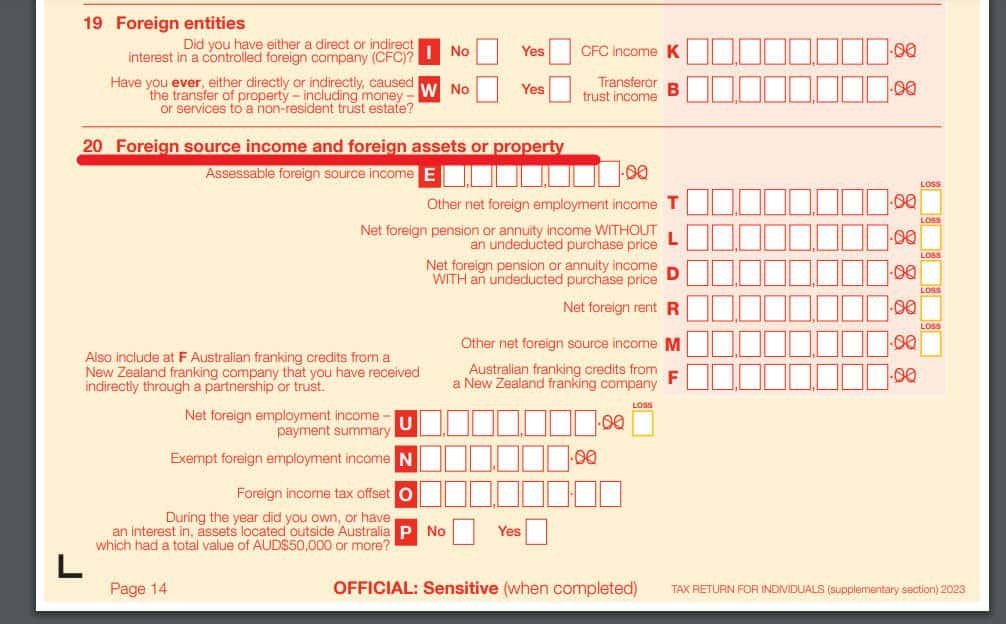
However, the tax office is warning Australians to stop claiming private expenses on their tax returns and is using all its resources to stop profit shifting.
The ATO’s acting deputy commissioner, Michelle Sams, said that paying zero tax does not imply wrongdoing, but the agency is focused on companies that use offshore financing and marketing hubs, as well as AI businesses, to avoid paying their fair share.
The ATO’s Tax Avoidance Taskforce, established in 2016, has collected $36 billion in additional tax revenue from multinationals and large public and private businesses. The taskforce is focused on companies that use complex financial structures to shift profits offshore, avoiding tax in Australia.
The ATO is also watching companies that use royalty arrangements to reduce their tax bill, as well as foreign private equity firms that dispose of assets and avoid paying tax on their gains.
The Global Minimum Tax deal, signed by over 140 countries, including Australia, aims to impose a minimum tax rate of 15 per cent on the profits of multinationals.
However, experts warn that this deal may not be enough to address the issue of profit shifting and tax evasion.
The deal requires companies to pay a minimum tax rate on their corporate profits, but it does not address the complex financial structures used by multinationals to shift profits offshore.
Analysis: What This Means for Australia
The issue of profit shifting and tax evasion has significant implications for Australia’s national security, law enforcement, and community safety. The loss of tax revenue means that essential public services, such as healthcare and education, may not receive the funding they need.
Additionally, the exploitation of Australia’s tax system by multinationals can lead to a lack of trust in the system and a sense of unfairness among Australian taxpayers.
Security analysts say that the ATO needs to do more to address the issue of profit shifting and tax evasion, including increasing transparency and accountability among multinationals.
Law enforcement insiders warn that the use of complex financial structures by multinationals can also facilitate other crimes, such as money laundering and terrorism financing.
The ATO’s focus on companies that use offshore financing and marketing hubs, as well as AI businesses, is a step in the right direction, but more needs to be done to address the issue.
Industry observers believe that the Australian government needs to take a more proactive approach to addressing the issue of profit shifting and tax evasion, including increasing funding for the ATO and implementing stricter regulations on multinationals.
The ATO’s corporate tax transparency report is a valuable tool for understanding the issue of profit shifting and tax evasion, but it is only one part of the solution.
The report highlights the need for greater transparency and accountability among multinationals, as well as a more proactive approach to addressing the issue.
By working together, the ATO, the Australian government, and the community can ensure that multinationals pay their fair share of tax and that essential public services receive the funding they need.
For more information on the ATO’s corporate tax transparency report, visit the Australian Taxation Office website. To learn more about the Global Minimum Tax deal, visit the Organisation for Economic Cooperation and Development website.