
Australia’s Great Coffee Rip-Off: How Businesses Are Passing On Hidden Fees To Consumers Despite New Ban
- Australians are being slugged with higher prices for everyday items like coffee, despite a new ban on card surcharges coming into effect
- Businesses are finding ways to circumvent the ban, including increasing prices and introducing cash-only payment options
- The move has been labelled a “staggering act of hypocrisy” by the Australian Chamber of Commerce and Industry, as the government itself stops accepting credit card payments
- Consumers are being left to foot the bill, with some businesses increasing prices by as much as 50 cents for a single coffee
The introduction of the card surcharge ban was meant to bring transparency to hidden fees, but it seems businesses have found ways to pass on the costs to consumers.
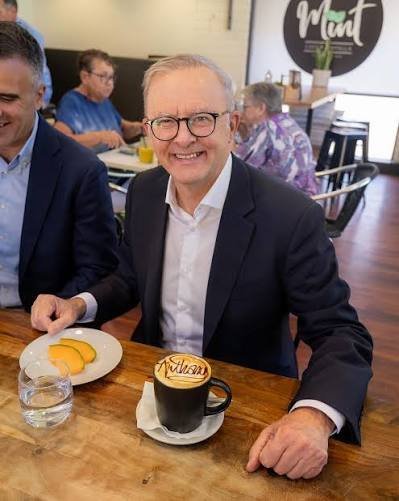
For many Australians, their morning coffee has become more expensive, despite Prime Minister Anthony Albanese’s claims that it could be cheaper. Sydney worker Adrian Sereni was charged $5.70 for his small almond cappuccino, a 20c increase from just a few days ago.
This increase is double the surcharge fee he used to pay, and it’s not an isolated incident.
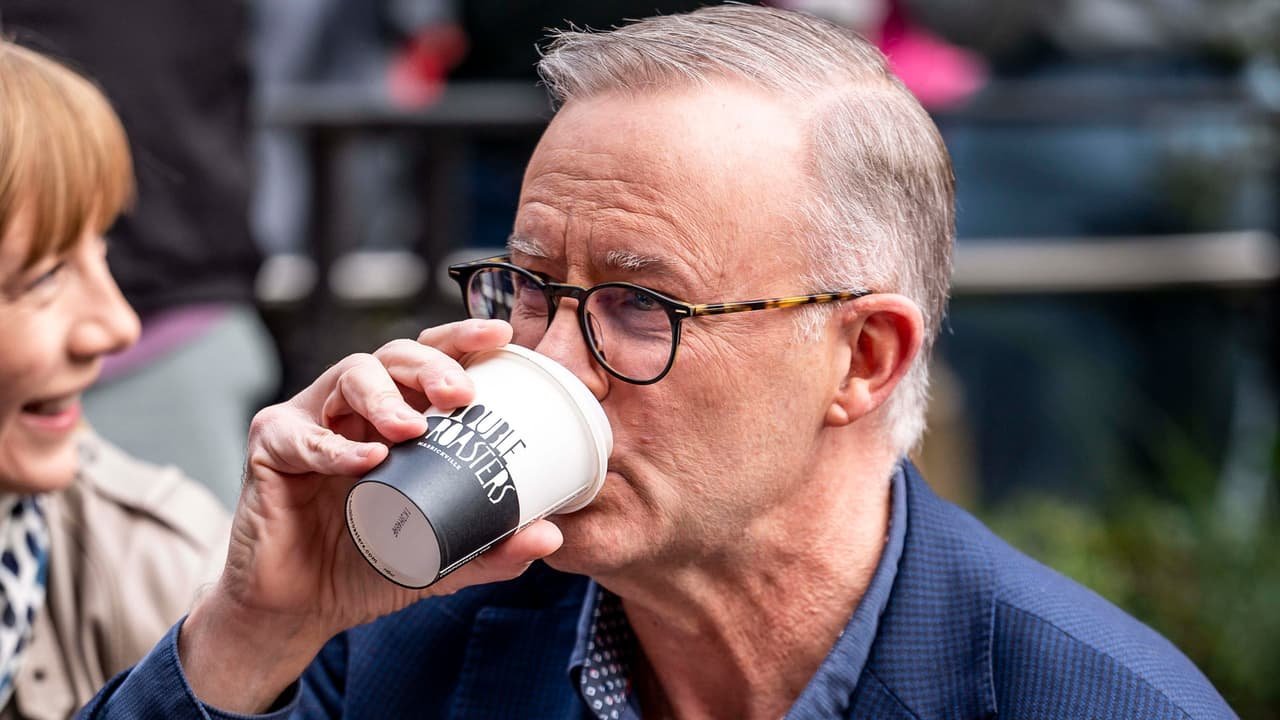
Stockspot founder and CEO Chris Brycki also noticed a price hike at his local bakery, with the total cost increasing by 1.7 per cent.
The bakery, located in Sydney, had previously added a 13 cent surcharge to the total cost, but now the price has been absorbed into the overall cost.
This trend is not limited to Sydney, with customers in Melbourne also reporting price rises. Lawyer Dylan Trickey saw his coffee price increase by 50 cents, from $6 to $6.50, at a small coffee van outside his work building.
These examples illustrate that the ban on card surcharges has not necessarily led to cheaper prices for consumers. Instead, businesses have found ways to adapt, such as increasing prices or introducing cash-only payment options.
Some businesses have even considered offering discounts for customers who pay with cash or prioritising no-fee digital options like PayID. However, this approach has been met with criticism, with the Australian Chamber of Commerce and Industry labelling the government’s actions as hypocritical.
The government’s decision to stop accepting credit card payments at the ATO has been seen as a contradiction, given the ban on card surcharges for businesses.
The Australian Chamber of Commerce and Industry has argued that the government is essentially saying that businesses must absorb the costs of the surcharge ban, while the ATO is depriving its customers of the facility to pay with credit cards.
This move has been met with widespread criticism, with many arguing that it is unfair to expect businesses to bear the brunt of the costs while the government itself is not willing to do so.
As the situation continues to unfold, it is clear that the ban on card surcharges has not had the desired effect of reducing costs for consumers.
Instead, businesses have found ways to pass on the costs, leaving consumers to foot the bill. The government’s actions have been met with criticism, and it remains to be seen how the situation will be resolved.
In the meantime, consumers will continue to feel the pinch, with higher prices for everyday items like coffee becoming the new norm.
Analysis: What This Means for Australia, the ban on card surcharges has significant implications for the country’s economy and consumers.
The move was meant to increase transparency and reduce costs for consumers, but it appears that businesses have found ways to circumvent the ban. The government’s actions have been met with criticism, and it is clear that more needs to be done to address the issue.
Security analysts say that the ban on card surcharges has highlighted the need for greater transparency and regulation in the payment industry. Law enforcement insiders warn that the move has created new opportunities for businesses to exploit consumers, and that stricter regulations are needed to prevent this.
Industry observers believe that the ban on card surcharges is just the tip of the iceberg, and that more needs to be done to address the underlying issues.
The move has highlighted the need for greater transparency and regulation in the payment industry, and it is clear that consumers will continue to feel the pinch until something is done.
As the situation continues to unfold, it is essential to consider the broader implications of the ban on card surcharges and how it will affect Australian consumers and businesses in the long term.
The government must take a closer look at the issue and consider introducing stricter regulations to prevent businesses from exploiting consumers.
Furthermore, the ban on card surcharges has significant implications for small business owners, who are already struggling to stay afloat in a competitive market.
The move has created new challenges for these businesses, which must now find ways to absorb the costs of the surcharge ban or pass them on to consumers.
According to Australian Chamber of Commerce and Industry, the ban on card surcharges has been a “staggering act of hypocrisy” by the government, and it is essential to consider the impact on small businesses and consumers.
As the situation continues to unfold, it is clear that more needs to be done to support small businesses and protect consumers from exploitation.
In conclusion, the ban on card surcharges has not had the desired effect of reducing costs for consumers. Instead, businesses have found ways to pass on the costs, leaving consumers to foot the bill.
The government’s actions have been met with criticism, and it is clear that more needs to be done to address the issue.
As the situation continues to unfold, it is essential to consider the broader implications of the ban on card surcharges and how it will affect Australian consumers and businesses in the long term.
The government must take a closer look at the issue and consider introducing stricter regulations to prevent businesses from exploiting consumers.
With the help of consumer advocacy groups and Australian Securities and Investments Commission, it is possible to create a more transparent and regulated payment industry that protects consumers and supports small businesses.