
France Teeters On Brink Of Chaos As High School Students Wage War Against Government Over Education Reforms
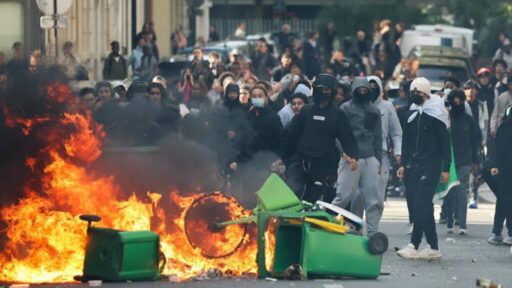
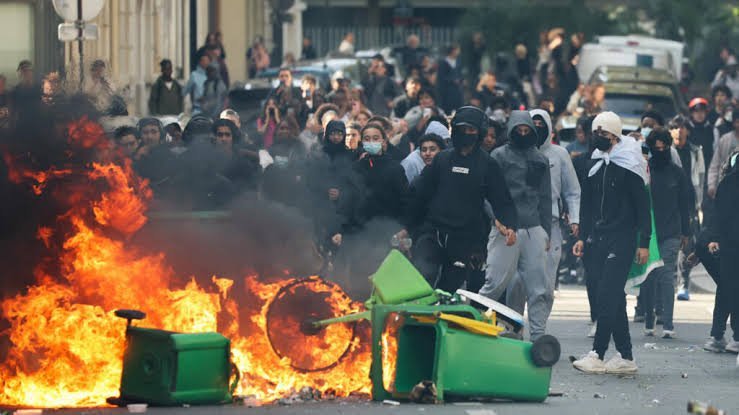
- Tens of thousands of students take to the streets, clashing with police and leaving a trail of destruction in their wake
- Government accused of failing to address grievances, as protests spread nationwide and show no signs of abating
- Violence escalates, with students and police trading accusations of brutality and dozens injured in the chaos
- Education minister promises action plan to address staff shortages, but students demand concrete measures and threaten to continue protests
The streets of France are ablaze with protest, as high school students wage a fierce battle against the government over education reforms.
The movement, which began in the Paris region in September, has spread nationwide, with students blocking access to buildings, clashing with police, and leaving a trail of destruction in their wake.
The government, accused of failing to address the grievances of the students, is facing mounting pressure to act, as the protests show no signs of abating.
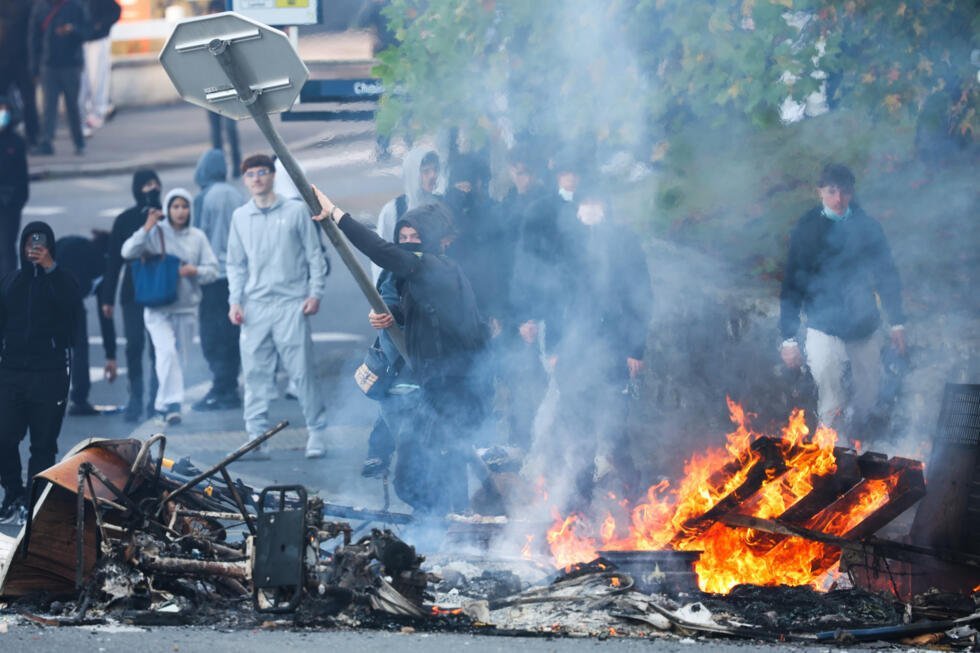
At the heart of the protests are the students’ demands for better conditions in education. They claim that their school hours are excessively long, conditions are inadequate, including overheated classrooms, and that there are too many staff absences.
The government, while acknowledging the students’ right to air their grievances, has condemned the violence that has erupted, including the beating of a policeman and the assault of a teacher.
Interior Minister Laurent Nunez has warned of “projectiles thrown, attacks on law enforcement, teachers, journalists, passersby,” and has launched internal probes into accusations of police brutality.
As the protests continue to escalate, the government is facing a crisis of confidence.
Education Minister Edouard Geffray has promised an action plan to address staff shortages, but students are demanding concrete measures and have threatened to continue their protests.
The movement has also had political reverberations, with the government facing criticism from opposition parties and the students’ demands being seen as a key issue in the upcoming presidential election.
The hard left France Unbowed (LFI) party has been accused of being behind the movement, but senior official Manuel Bompard has denied this, accusing the government of “descending into conspiracy theories.”
The situation on the ground is dire, with students and police trading accusations of violence.
In the northern city of Lille, a high school student denounced what he called “extremely violent police repression, which inevitably fuels students’ anger.” In the western city of Brest, police used tear gas as pupils hurled projectiles at security forces.
The police force has launched internal probes after accusations of brutality against demonstrators, and the government has warned of the dangers of “ultra-violent fringe groups” hijacking the movement.
Analysis: What This Means for Australia is a complex question, but one thing is clear: the situation in France has significant implications for national security and law enforcement.
As Australia faces its own challenges in maintaining public order and addressing the grievances of its citizens, the French example serves as a stark warning of the dangers of ignoring the demands of marginalized groups.
The Australian government would do well to take heed of the lessons from France, and to prioritize the needs of its own citizens, particularly in the areas of education and social welfare.
By doing so, it can avoid the kind of chaos and violence that has engulfed France, and ensure a safer, more stable future for all Australians.
Security analysts say that the situation in France is a classic example of how a small, marginalized group can spark a wider movement, and how the government’s response can either calm or inflame the situation.
They warn that the Australian government must be vigilant in addressing the grievances of its own citizens, particularly in the areas of education and social welfare, to avoid similar unrest.
Law enforcement insiders warn that the use of force by police can often escalate the situation, and that a more nuanced approach is needed to address the complex issues underlying the protests.
Industry observers believe that the French government’s handling of the crisis has been inadequate, and that a more comprehensive approach is needed to address the root causes of the unrest.
As the situation in France continues to unfold, one thing is clear: the world is watching, and the implications for Australia are significant.
The Australian government must take heed of the lessons from France, and prioritize the needs of its own citizens, to avoid the kind of chaos and violence that has engulfed France.
By doing so, it can ensure a safer, more stable future for all Australians, and maintain the country’s reputation as a beacon of democracy and stability in a rapidly changing world.
For more information on the education system in Australia, and how it compares to the French model, please see our previous coverage. The Australian Bureau of Statistics also provides valuable insights into the state of education in Australia, and the challenges facing the sector.