
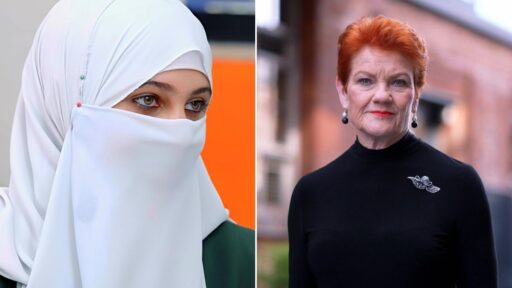
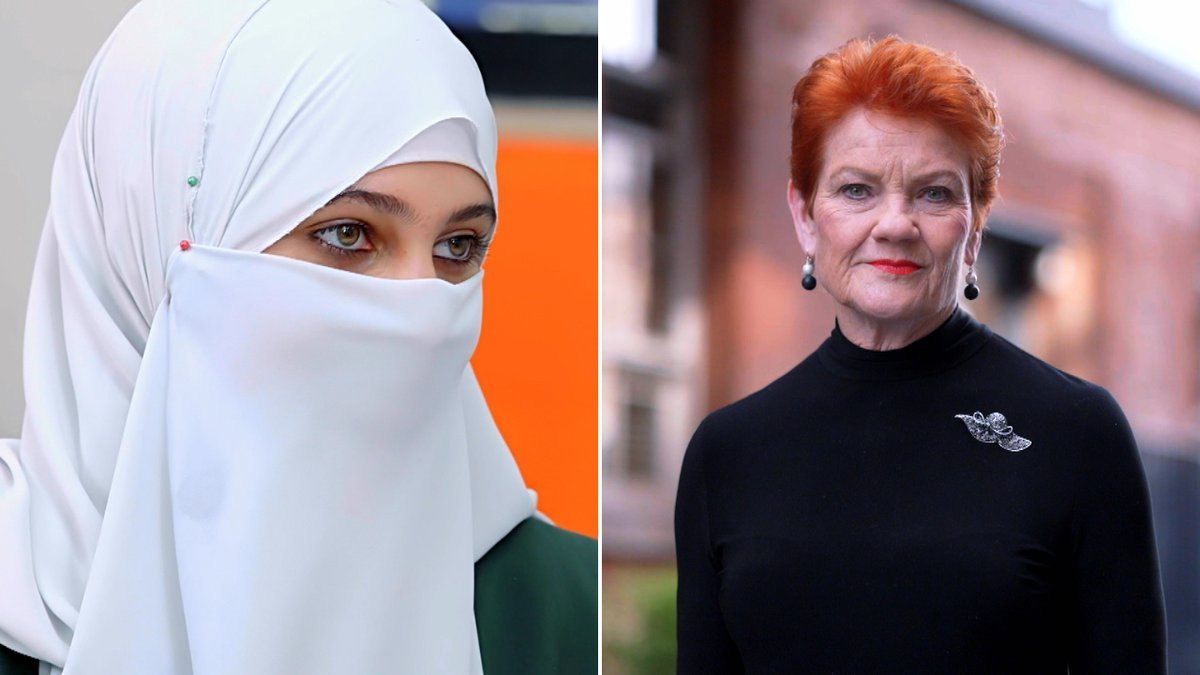
Australia’s Burqa Ban Debate Ignites Fierce Backlash: ‘Using Muslim Students as Political Targets’ – Experts Warn of National Security Implications and Community Divide
- One Nation’s proposed ban on burqas, niqabs, and other full-face coverings in schools sparks outrage among Muslim leaders, who claim the policy targets Muslim students and undermines community cohesion
- The Lebanese Muslim Association slams the proposal, stating it is ‘not an education policy, but another attempt to single out Muslims and turn a tiny minority into a political issue’
- Security analysts warn that the ban could have unintended consequences, including further marginalizing Muslim communities and creating a sense of isolation that can be exploited by extremist groups
- Law enforcement insiders express concerns that the ban could divert resources away from more pressing national security concerns, such as counter-terrorism efforts and cyber security threats
The debate over One Nation’s proposed ban on burqas, niqabs, and other full-face coverings in schools has ignited a fierce backlash from Muslim leaders, who claim the policy is a blatant attempt to target Muslim students and undermine community cohesion.
At the heart of the controversy is the question of whether the ban is a necessary measure to ensure national security and public safety, or a divisive policy that will only serve to further marginalize Muslim communities.
The Lebanese Muslim Association, which owns Australia’s largest mosque in Lakemba, has been vocal in its opposition to the ban, stating that it is ‘not an education policy, but another attempt to single out Muslims and turn a tiny minority into a political issue’.
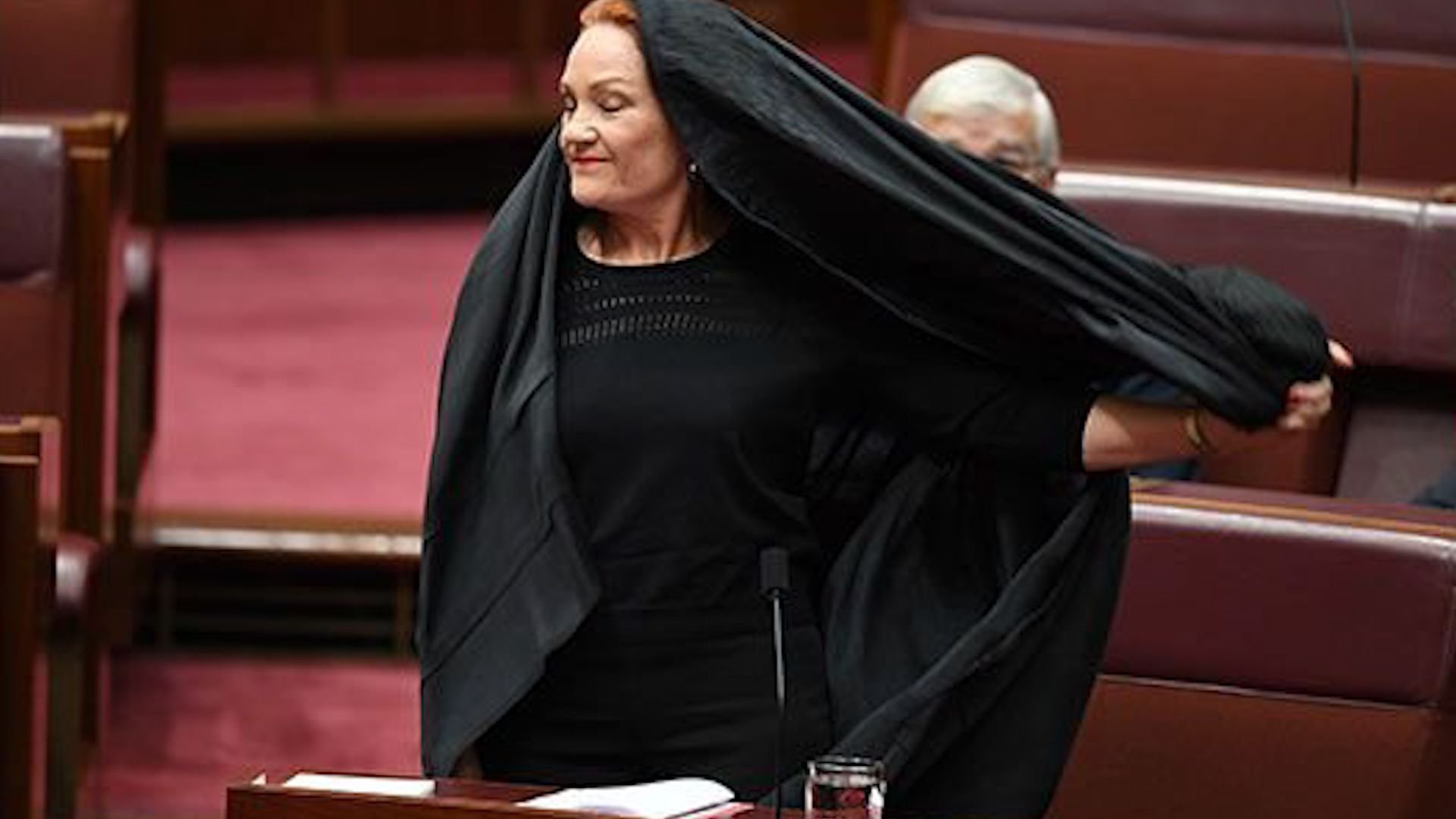
The association argues that schools can manage potential identification and safety issues without political intervention, and that the ban would only serve to create a sense of isolation and exclusion among Muslim students.
This sense of isolation can have serious consequences, including increased radicalization and decreased community cohesion, which can ultimately threaten Australia’s national security.
One Nation’s proposal to ban burqas, niqabs, and other full-face coverings in schools has sparked a heated debate about the role of politics in education and the impact of such a ban on Muslim students.
The party’s leader, Pauline Hanson, has argued that the ban is necessary to ensure that teachers can see the faces of their students and that students can see each other’s faces, promoting a sense of community and social cohesion.
However, critics argue that the ban is a thinly veiled attempt to target Muslim students and undermine their right to practice their faith. This controversy highlights the need for a nuanced and informed discussion about the intersection of politics, education, and national security in Australia.
As the debate rages on, security analysts warn that the ban could have unintended consequences, including further marginalizing Muslim communities and creating a sense of isolation that can be exploited by extremist groups.
Law enforcement insiders express concerns that the ban could divert resources away from more pressing national security concerns, such as counter-terrorism efforts and cyber security threats.
The proposed ban has also sparked fears that it could lead to increased tensions between different community groups, potentially creating a toxic environment that can be exploited by extremist ideologies.
This highlights the need for a comprehensive and multifaceted approach to national security, one that balances the need to protect Australia’s citizens with the need to promote community cohesion and social inclusion.
Analysis: What This Means for Australia – The proposed ban on burqas, niqabs, and other full-face coverings in schools has significant implications for Australia’s national security, community cohesion, and social inclusion.
On one hand, the ban could be seen as a necessary measure to ensure public safety and prevent the spread of extremist ideologies.
On the other hand, the ban could be seen as a divisive policy that will only serve to further marginalize Muslim communities and create a sense of isolation among Muslim students.
As such, it is essential to consider the potential consequences of the ban and to develop a comprehensive and nuanced approach to addressing the complex issues surrounding national security, community cohesion, and social inclusion in Australia.
Security analysts say that the proposed ban highlights the need for a more nuanced and informed discussion about the intersection of national security, community cohesion, and social inclusion in Australia.
They argue that the ban could have unintended consequences, including further marginalizing Muslim communities and creating a sense of isolation that can be exploited by extremist groups.
Law enforcement insiders warn that the ban could divert resources away from more pressing national security concerns, such as counter-terrorism efforts and cyber security threats.
Industry observers believe that the ban could lead to increased tensions between different community groups, potentially creating a toxic environment that can be exploited by extremist ideologies.
To address these concerns, it is essential to develop a comprehensive and multifaceted approach to national security, one that balances the need to protect Australia’s citizens with the need to promote community cohesion and social inclusion.
The proposed ban on burqas, niqabs, and other full-face coverings in schools is a complex and multifaceted issue that requires a nuanced and informed discussion.
As Australia grapples with the challenges of national security, community cohesion, and social inclusion, it is essential to consider the potential consequences of the ban and to develop a comprehensive approach to addressing these complex issues.
This approach must balance the need to protect Australia’s citizens with the need to promote community cohesion and social inclusion, and must be informed by a deep understanding of the complex issues surrounding national security, community cohesion, and social inclusion in Australia.
By adopting a nuanced and multifaceted approach to these issues, Australia can promote a safe, secure, and inclusive society for all citizens, regardless of their background or faith.
For more information on this topic, please visit our website and search for national security and community cohesion. You can also find more information on the Australian Government Department of Home Affairs website and the Australian Federal Police website.
By staying informed and engaged on these issues, we can work together to build a safer, more secure, and more inclusive Australia for all.