
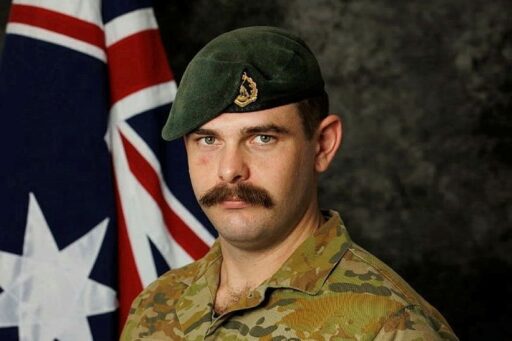
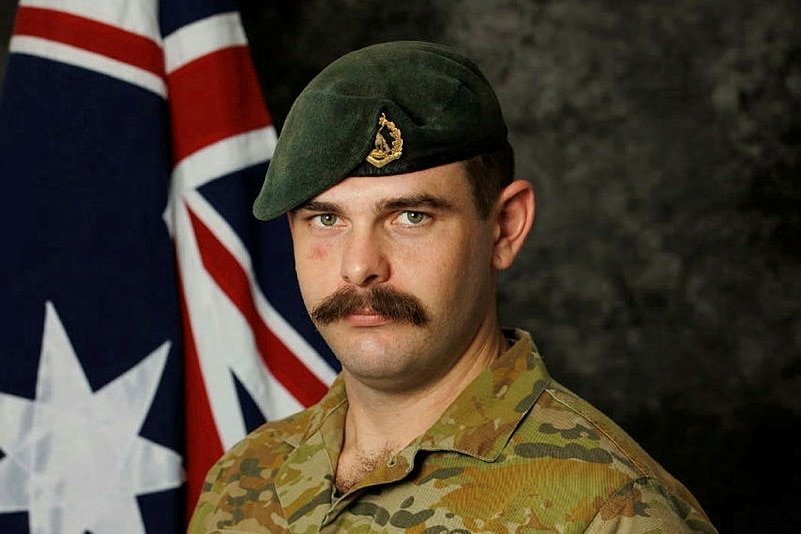
Australian Defence Force Rocked By Tragic Death Of Corporal Brendan Hannam: ‘A Heartbreaking Reminder Of The Hazards Of Military Training’
- A 28-year-old Australian Army Corporal has been killed in a rollover incident during a training exercise at the Mount Bundey Training Area in the Northern Territory.
- The tragic event has sparked an outpouring of emotion from the defence community, with many veterans describing the conditions at the training area as ‘extreme’ and ‘challenging’.
- Former soldiers have spoken out about the need for a balance between safety and realistic training, with some acknowledging that the risks associated with military training are inherent to the job.
- The Australian Defence Force has committed to conducting a thorough investigation into the incident, which has raised questions about the safety of military training exercises in the country.
The death of Corporal Brendan Hannam has sent shockwaves through the Australian defence community, with many veterans and current serving members paying tribute to the 28-year-old soldier.
The incident occurred during a training exercise at the Mount Bundey Training Area, a notorious terrain known for its harsh conditions and challenging environment.
According to those who have trained at the facility, the area is characterised by ‘very hot, dry conditions’ and ‘very high grass’, making it an ideal location for realistic training exercises.
However, the conditions at Mount Bundey have also been linked to several fatal incidents in the past, including the death of a young soldier who succumbed to heat stroke in 2004.
The Northern Territory Coroner later found that senior ADF commanders had ignored heat danger warnings, highlighting the risks associated with military training in extreme environments.
The latest incident has raised questions about the safety of military training exercises in Australia and the need for a balance between realistic training and safety precautions.
The Australian Defence Association has acknowledged the challenges of finding the correct balance between safety and realistic training, with executive director Neil James stating that ‘it’s always a balance between the realism of the training and the safety’.
James noted that the Defence Department has implemented various safety measures, including the provision of body armour for soldiers travelling in armoured vehicles, but admitted that ‘it’s a very, very difficult equation’ to get right.
The incident has also sparked a debate about the risks associated with military training and the need for soldiers to be prepared for the challenges of combat.
Security analysts say that the incident highlights the importance of ensuring that military training exercises are conducted in a safe and controlled environment, while also preparing soldiers for the realities of combat.
Law enforcement insiders warn that the risks associated with military training are inherent to the job, but that the Defence Department must take all necessary precautions to minimise the risk of injury or death.
As the investigation into the incident continues, the defence community is left to mourn the loss of a young soldier who has made the ultimate sacrifice in the service of his country.
Analysis: What This Means for Australia
The death of Corporal Brendan Hannam has significant implications for Australia’s national security and defence capabilities.
The incident highlights the risks associated with military training and the need for the Defence Department to ensure that all necessary safety precautions are in place.
The Australian public expects that our defence personnel are adequately trained and equipped to carry out their duties, and that the risks associated with military service are minimised.
The incident also raises questions about the preparedness of our military personnel for combat and the challenges of balancing safety with realistic training.
Industry observers believe that the incident will lead to a review of military training exercises in Australia, with a focus on improving safety and minimising the risk of injury or death.
The Defence Department will need to work closely with the defence community and other stakeholders to ensure that the necessary changes are made to prevent similar incidents in the future.
The incident is also likely to have an impact on the morale of defence personnel, who may be concerned about the risks associated with military training and the adequacy of safety precautions.
As the investigation into the incident continues, the Australian public will be watching closely to see how the Defence Department responds to the tragedy.
The government will need to take a proactive approach to addressing the concerns of the defence community and the public, and to ensuring that all necessary measures are taken to prevent similar incidents in the future.
This includes investing in the latest safety equipment and technology, as well as providing adequate training and support to defence personnel.
In the context of Australia’s role in international conflict and geopolitics, the incident highlights the importance of ensuring that our military personnel are adequately prepared for the challenges of combat.
The country’s involvement in various international conflicts and peacekeeping missions requires that our defence personnel are trained to the highest standards, and that they have the necessary skills and equipment to carry out their duties safely and effectively.
The incident is a reminder that the risks associated with military service are inherent to the job, and that the Defence Department must take all necessary precautions to minimise the risk of injury or death.
For more information on the Australian Defence Force and its operations, visit the Australian Defence Force website. The Australian Bureau of Statistics also provides data and analysis on the defence industry and its impact on the Australian economy.
As the investigation into the incident continues, the defence community and the public will be watching closely to see how the Defence Department responds to the tragedy and what measures are taken to prevent similar incidents in the future.