
Australia’s Red Centre On High Alert As ‘Worst Storm In 40 Years’ Unleashes Havoc On Alice Springs, Leaving Thousands Without Power And A Trail Of Destruction
- Residents in southern parts of the Northern Territory are bracing for another thunderstorm on Tuesday, with the clean-up from Monday’s devastating storm still unfinished
- Power is still out for 4,000 homes, fences have been knocked down, and tree branches litter the streets of Alice Springs, with the town’s infrastructure severely tested
- The Bureau of Meteorology warns of more rain, wind, and hail later on Tuesday, with wind speeds of up to 96 kilometres per hour recorded at the Alice Springs airport on Monday afternoon
- Emergency services are working around the clock to restore power and provide support to affected residents, with extra crews from Tennant Creek, Darwin, and Katherine travelling to Alice Springs to assist
The usually resilient town of Alice Springs is reeling from the aftermath of a severe storm that ripped through the area on Monday afternoon, leaving a trail of destruction and chaos in its wake.
As residents struggle to come to terms with the extent of the damage, they are now bracing for another thunderstorm on Tuesday, with the Bureau of Meteorology warning of more rain, wind, and hail.
The storm, which has been described as the worst in 40 years, has left thousands without power, with 4,000 homes still waiting for electricity to be restored.
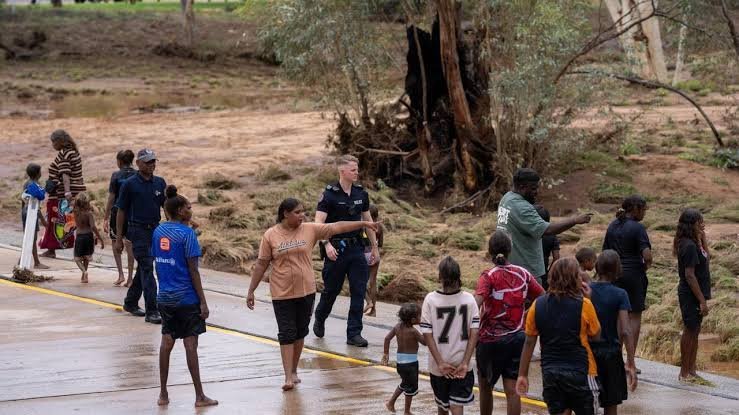
The damage was widespread across Alice Springs, with fences knocked down, tree branches littering the streets, and roofs leaking. The town’s infrastructure has been severely tested, with multiple bays of overhead power lines on the ground, and poles bent and damaged.
The executive general manager of power services, Belinda Small, said that there had been extensive damage, but extra crews from Tennant Creek, Darwin, and Katherine were travelling to Alice Springs to provide support.
The Northern Territory Emergency Services Deputy Chief Officer, Adam White, said that the service had had 50 requests for assistance from all suburbs of Alice Springs, mostly for trees on houses and cars and roof damage.
The storm has also had a significant impact on the town’s daily life, with the Alice Springs tip open as normal, and the library and pool set to open after sustaining some damage.
The Alice Springs Town Council director of infrastructure, Sally O’Callaghan, said that the council had been focusing its clean-up efforts in The Gap and Gillen, and was working to create accessibility through town.
Meanwhile, Northern Territory Police senior sergeant Paula Dooley-McDonnell encouraged residents to stay informed on road closures, weather advice, and emergency information through Secure NT, and to drive to the conditions, avoid flooded areas, and keep away from fallen powerlines.
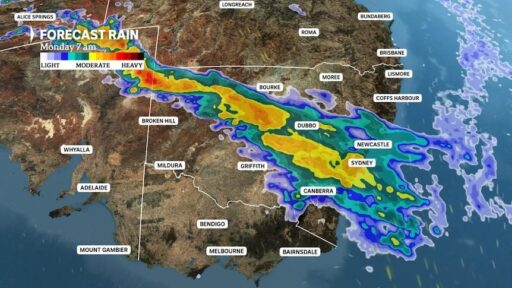
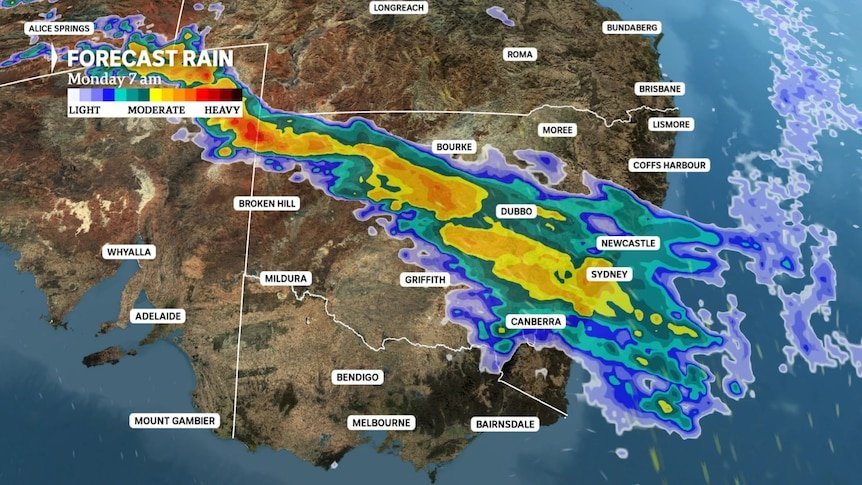
The Bureau of Meteorology duty forecaster, Ruby Cuthbertson, said that a south-easterly surge on Tuesday afternoon would cause thunderstorms over Alice Springs, Yulara, and Ti Tree.
She warned that the thunderstorms would persist later into the week, before the weather was expected to clear next week. The storm has been driven by a surge of moisture from the tropics, which has been driving thunderstorms in the south.
The Bureau of Meteorology has warned that the storms could bring heavy rainfall and damaging winds, and has urged residents to be prepared.
As the town of Alice Springs struggles to come to terms with the extent of the damage, residents are being warned to be patient and to stay informed.
The storm has highlighted the importance of being prepared for extreme weather events, and the need for effective emergency planning and response. The Northern Territory Government has been working closely with emergency services to respond to the storm, and to provide support to affected residents.
As the town begins the long process of recovery and rebuilding, it is clear that the storm will have a lasting impact on the community.
Analysis: What This Means for Australia is that the country’s rural and remote communities are vulnerable to extreme weather events, and that effective emergency planning and response are critical to mitigating the impact of these events.
The storm has highlighted the importance of investing in infrastructure and emergency services, and of providing support to affected communities. It has also highlighted the need for Australians to be prepared for extreme weather events, and to stay informed about weather warnings and emergency information.
As the town of Alice Springs begins the process of recovery and rebuilding, it is clear that the storm will have a lasting impact on the community, and that it will take time and effort to fully recover.
Security analysts say that the storm has highlighted the importance of community resilience and preparedness in the face of extreme weather events.
Law enforcement insiders warn that the storm has also highlighted the need for effective emergency planning and response, and the importance of providing support to affected communities.
Industry observers believe that the storm will have a significant impact on the local economy, and that it will take time for the town to fully recover.
As the town of Alice Springs begins the process of recovery and rebuilding, it is clear that the storm will have a lasting impact on the community, and that it will require a coordinated effort to fully recover.
For more information on the storm and its impact, residents can visit the Northern Territory Government website, or the Australian Bureau of Meteorology website.
Residents can also stay informed about weather warnings and emergency information through Secure NT, and can follow the Alice Springs Town Council for updates on the clean-up efforts and recovery process.