
Australia’s Postal Price Shock: Stamp Costs Soar as Nation’s Letter-Sending Habit Hits Historic Low
- Australia Post hikes basic stamp price to $1.85, up from $1.70, as letter volumes plummet to levels not seen since the 1930s
- Price increases could add 75 cents to average household’s annual postage costs, with businesses expected to bear the brunt and pass on costs to consumers
- ACCC gives green light to price hikes, warning Australia Post would struggle to cover delivery costs without increases, despite expected losses of over $500 million
- Experts warn of further price hikes, with basic stamp potentially reaching $2.25 by 2028, as Australia Post battles to stay afloat in declining letter market
The days of affordable letter sending in Australia are behind us, as the nation’s postal service, Australia Post, slaps on a fresh round of price hikes to stay afloat in a declining market.
From September 1, customers will be forced to cough up $1.85 for a basic stamp, a 15-cent increase from the current $1.70.
The move is expected to add a whopping 75 cents to the average household’s annual postage costs, with businesses bearing the brunt of the increase and likely passing on the costs to consumers.
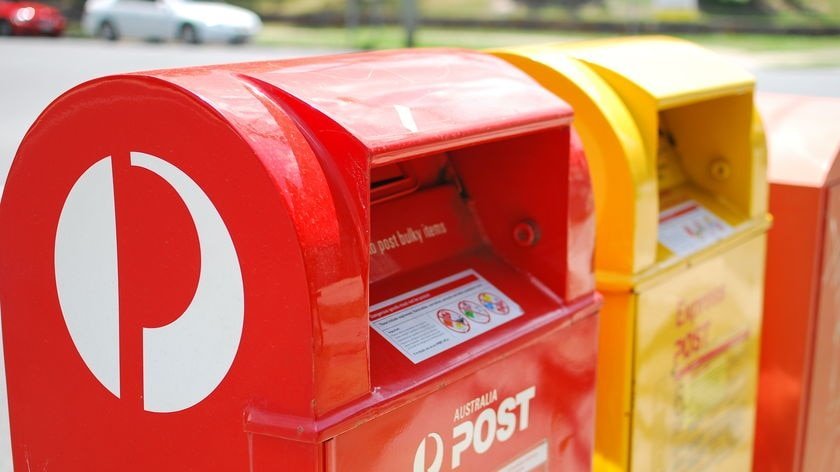
The price hike comes as Australia Post battles to stay afloat in a market where letter volumes are shrinking by about 10 per cent a year.
The company’s losses from its letters service would have been more than $500 million worse without the stamp price increases introduced over the past four years.
Despite this, Australia Post’s financial woes are far from over, with the ACCC warning that the company will still struggle to cover the cost of delivering its letter service despite the higher prices.
ACCC Commissioner Anna Brakey said the regulator did not object to the price increases, citing the significant decline in letter volumes and the need for Australia Post to cover its costs.
“Our findings suggest Australia Post will still fall slightly short of recovering the efficient costs of providing these services, even with the proposed price increase,” Ms Brakey said.
The ACCC’s green light for the price hikes has raised concerns that Australians will be forced to pay even more for postal services in the future, with some experts warning that the basic stamp could reach as high as $2.25 by 2028.
The decline of the letter-writing habit in Australia has been dramatic, with mail volumes expected to continue shrinking in the coming years. Australians are now sending letters at levels not seen since the 1930s, with the average household buying just five full-rate stamps a year.
The price of a stamp has more than doubled in the last 12 years, when it cost just 70 cents in 2014.
Analysis: What This Means for Australia
The latest price hike has significant implications for Australian businesses and consumers, who will bear the brunt of the increased costs.
The ACCC’s warning that Australia Post will still struggle to cover its costs despite the higher prices raises concerns about the long-term viability of the postal service.
As the nation’s letter-sending habit continues to decline, it remains to be seen whether Australia Post can adapt to the changing market and remain afloat.
Security analysts say the decline of the postal service could have significant implications for national security, with the potential for increased costs and reduced services impacting the ability of authorities to track and monitor mail.
Law enforcement insiders warn that the decline of the postal service could also lead to increased opportunities for organized crime, as mail becomes a less secure means of communication.
Industry observers believe that the price hike could also have a significant impact on Australian communities, particularly in rural areas where the postal service is often a lifeline.
The increased costs could lead to reduced services, making it even harder for rural Australians to access essential services.