
Australia’s Sizzling Spring: Millions to Bask in Record-Breaking Heat as Sydney Eyes Its Warmest Start in 161 Years
- A massive high-pressure system is set to bring scorching temperatures to millions of Australians, with Sydney potentially recording its warmest start to spring in over a century.
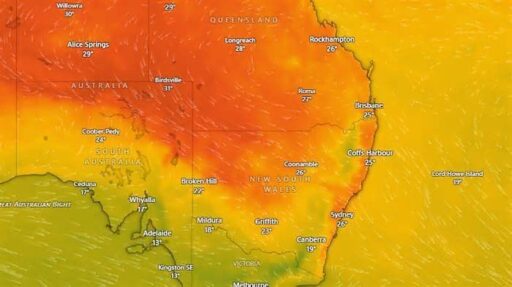
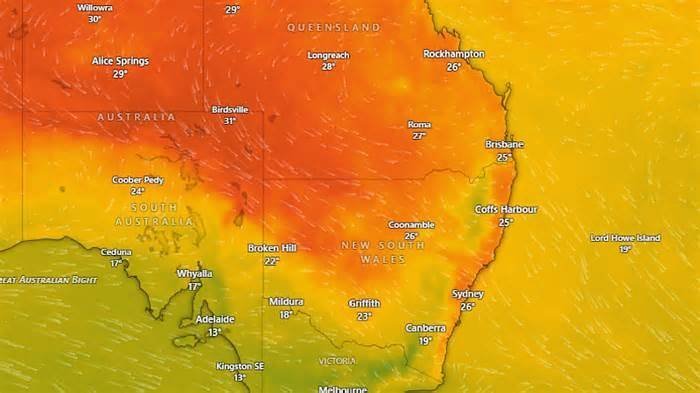
- The Harbour City is forecast to reach temperatures of 24-27C for the first three days of spring, a whopping 4-7C above average.
- Other major cities, including Melbourne, Adelaide, and Hobart, are also expected to experience above-average temperatures, while Brisbane will soar into the 30s later in the week.
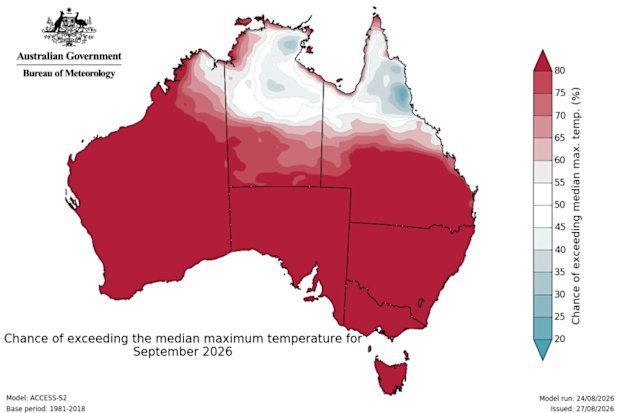
- Computer modelling predicts that most areas of Australia, outside the tropics, will record above-average maximum temperatures in September, with large swathes of the nation expected to be drier than usual.
Australia is bracing for a scorching start to spring, with a massive high-pressure system set to bring record-breaking temperatures to millions of people across the country.
Sydney, in particular, is expected to sizzle, with forecasters warning that it could record its warmest start to spring in 161 years.
The Harbour City is tipped to reach temperatures of 24-27C for the first three days of spring, a whopping 4-7C above average.
This would be a significant departure from the usual spring weather, and could lead to a host of problems, including increased risk of bushfires, heat stress, and water shortages.
But Sydney is not the only city that will be feeling the heat. Melbourne, Adelaide, and Hobart are all expected to experience above-average temperatures, while Brisbane will soar into the 30s later in the week.
Even Canberra, which is typically cooler than the other major cities, is expected to hit 21C on Wednesday, a five-year season high.
So, what’s behind this unusual weather pattern?
According to Weatherzone meteorologist Ben Domensino, a large high-pressure system that passed over southern Australia on the weekend has caused a hot air mass to build up over the country’s interior and northwest.
This hot air will sweep across much of the nation in the coming days, bringing with it temperatures that are well above average.
But this is not just a short-term phenomenon. Computer modelling predicts that most areas of Australia, outside the tropics, will record above-average maximum temperatures in September.
This could have significant implications for the country’s climate, particularly in the context of the ongoing drought and water shortages.
Large swathes of the nation are also expected to be drier than usual, which could exacerbate the existing drought conditions. Australia’s alpine regions, for example, have had one of their worst snow seasons on record due to above-average temperatures.
So, what does this mean for Australia?
Analysis: What This Means for Australia The country’s climate is already under significant stress, and this latest heatwave will only add to the pressure.
The drought, which has been ongoing for several years, has had a devastating impact on rural communities and the environment. This heatwave will only make things worse, increasing the risk of bushfires, heat stress, and water shortages.
Security analysts say that the heatwave could also have significant implications for national security. “The drought and heatwave could lead to increased tensions in rural communities, particularly if water shortages become more severe,” said one analyst.
“This could lead to social unrest and potentially even violence.”
Law enforcement insiders warn that the heatwave could also lead to an increase in crime, particularly in urban areas. “When people are hot and frustrated, they are more likely to lash out,” said one insider.
“We’re expecting an increase in domestic violence, assaults, and other heat-related crimes.”
Industry observers believe that the heatwave could also have significant economic implications.
“The drought and heatwave could lead to increased costs for farmers and rural communities, which could have a ripple effect throughout the economy,” said one observer.
So, what can be done to mitigate the effects of this heatwave? Experts say that it’s essential to take precautions, particularly in rural areas.
“People need to stay hydrated, stay cool, and stay informed,” said one expert. “We also need to take steps to reduce our carbon footprint and address the underlying causes of climate change.”
As the country swelters through this record-breaking heatwave, one thing is clear: Australia’s climate is under significant stress, and it’s going to take a concerted effort to address the underlying causes of this problem.