
Floods of Despair: 38 Australians Still Missing as Death Toll Mounts in Nepal and Tibet Disaster
- Four more Australians found safe, but 38 others remain unaccounted for in the devastating floods that have killed over 1,066 people
- Families of the missing urge authorities to do more to find their loved ones, with one Victorian resident pleading for international help
- Rescue efforts focus on hydropower plant projects where hundreds of workers are believed to be trapped, with excavators working to move debris
- Australian authorities face pressure to provide more support to families of the missing, with some criticizing the slow response to the disaster
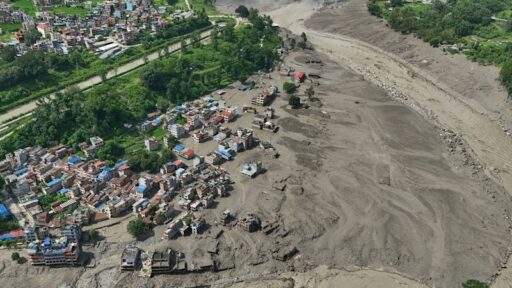
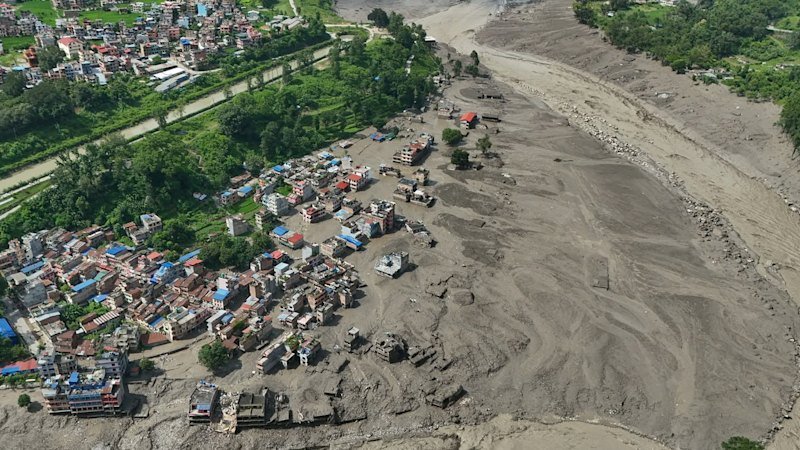
The search for survivors of the devastating floods in Nepal and Tibet continues, with four more Australians confirmed safe, but 38 others still missing. The death toll has risen to at least 1,066, with 4,462 people remaining unaccounted for.
The disaster has sparked widespread criticism of the response efforts, with families of the missing urging authorities to do more to find their loved ones.
The Australian government has confirmed that five citizens have been located safe since Tuesday morning, with one person found in Nepal and another in China. Three others were found outside the disaster zone, but their welfare could not initially be confirmed.
The news brings some relief to families, but many are still waiting anxiously for news of their loved ones.
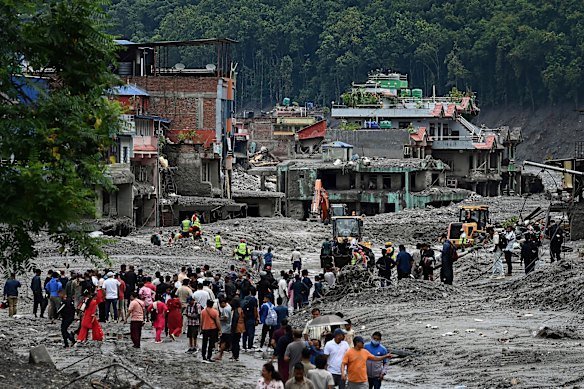
The floods have had a devastating impact on the region, with at least 11,814 people rescued so far. Rescuers are focusing on hydropower plant projects where hundreds of workers are believed to have been trapped.
Images released by Nepal’s army show teams working through debris-filled tunnels to find signs of life. Excavators are being used to move debris, and search dogs are being deployed to search rubble for people trapped.
Anamika Shrestha, a Victorian resident, is among those waiting anxiously for news of her missing father, Ganesh Mani Shrestha. The 65-year-old engineer was working on a construction site at the Rasuwagadhi Integrated Customs Checkpoint on the Nepal-Tibet border.
Anamika is frustrated that it took rescue teams about six days to reach the area where her father had been and is calling for more international help.
“We need specialized missing person search teams and then forensic and DNA support, and proper identification of anyone who has been recovered,” Anamika said.
“If we don’t get the body … it’s going to be really difficult for us thinking that maybe his soul is still not resting in peace.” Anamika’s brother in Nepal has submitted DNA to authorities in the hope that her father’s body will be found and identified, but she fears it could take months.
Authorities have begun burying hundreds of unidentified bodies after DNA sampling, with mortuaries overflowing in Nepal. At least 17 bodies have also been pulled from rivers downstream in India.
The disaster has sparked a massive humanitarian response, with many organizations providing support to those affected.
Analysis: What This Means for Australia
The floods in Nepal and Tibet have significant implications for Australia, particularly in terms of national security and humanitarian response. The disaster highlights the importance of having effective emergency response systems in place, as well as the need for international cooperation in times of crisis.
Security analysts say that the disaster has exposed weaknesses in the region’s disaster preparedness and response capabilities. “The floods have shown that even with advanced warning systems, the impact of natural disasters can be devastating,” said one analyst.
“It’s crucial that Australia and other countries in the region work together to strengthen their disaster response capabilities.”
Law enforcement insiders warn that the disaster may also have implications for border security, with many people displaced and seeking refuge in neighboring countries.
“The floods have created a humanitarian crisis, and it’s essential that Australia and other countries in the region work together to provide support and assistance,” said one insider.
Industry observers believe that the disaster will also have significant economic implications, particularly for the hydropower sector. “The floods have highlighted the risks associated with large-scale infrastructure projects in vulnerable regions,” said one observer.
“It’s crucial that companies and governments take a more nuanced approach to risk assessment and management.”
As the search for survivors continues, Australia must consider its role in providing support to those affected by the disaster. The government has pledged to provide assistance, but more needs to be done to support families of the missing and those affected by the floods.