
Australia’s Retail Theft Epidemic: Kmart Joins Fight Against Rising Crime With High-Tech Security Cabinets
- Retail giant Kmart trials electronic security cabinets to lock away cosmetics in bid to combat soaring shoplifting rates
- Move comes as Australian retailers face unprecedented levels of theft, with 39 per cent of inventory loss attributed to shoplifting in 2026
- Other major retailers, including Big W, Coles, and Woolworths, also introduce new security measures to protect high-value items
- Experts warn that rising cost of living is driving increase in retail crime, with serious implications for Australian businesses and communities
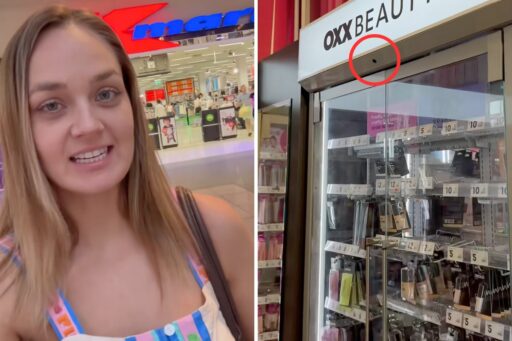
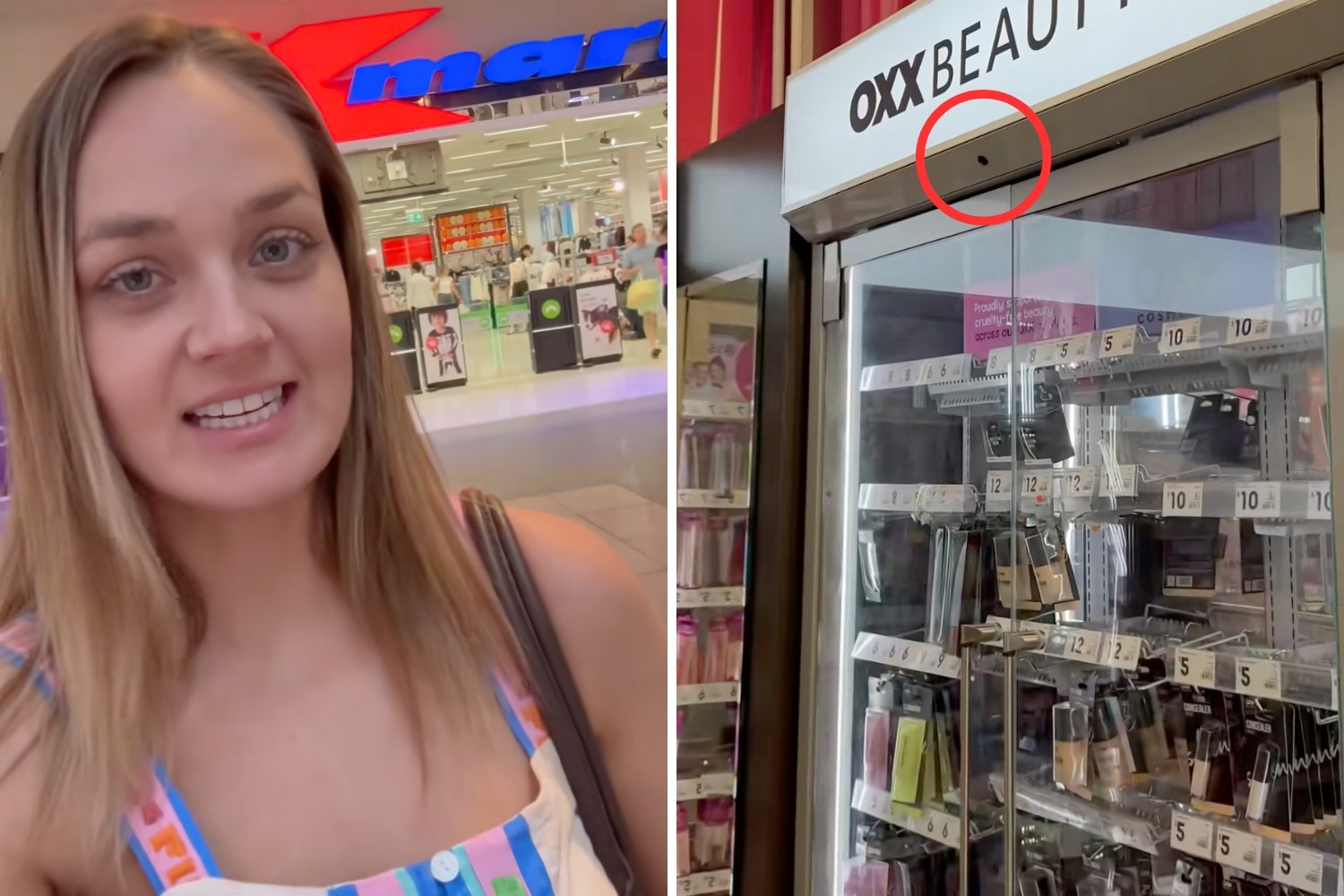
As Australia grapples with a worsening retail theft crisis, Kmart has become the latest major retailer to join the fight against shoplifting, introducing high-tech security cabinets in its flagship stores.
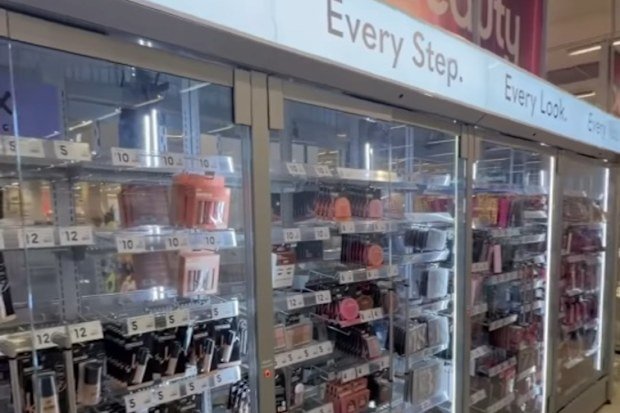
The cabinets, which have been installed in Kmart’s Broadway flagship in Sydney and Broadmeadows in Melbourne, use electronic locks and automated systems to secure cosmetics and other high-value items, allowing customers to access them only with the assistance of store staff.
The move is part of a broader effort by Australian retailers to combat the rising tide of shoplifting, which has become a major concern for businesses across the country.
According to the Australian Retailers Association, shoplifting accounts for a staggering 39 per cent of inventory loss in 2026, with the problem showing no signs of abating.
Kmart’s decision to introduce security cabinets is a significant step in the right direction, but it also highlights the scale and complexity of the problem facing retailers.
So why is retail theft on the rise in Australia? Experts point to a combination of factors, including the increasing cost of living, which is driving more people to turn to crime in desperation.
As the cost of everyday essentials continues to soar, many individuals are finding themselves struggling to make ends meet, leading some to resort to shoplifting as a way to survive.
The problem is further compounded by the fact that many retailers are failing to invest in adequate security measures, leaving themselves vulnerable to theft and other forms of crime.
But Kmart’s security trial is not an isolated initiative. Other major retailers, including Big W, Coles, and Woolworths, are also introducing new security measures to protect their stock.
Big W, for example, has launched a dedicated Beauty Shop section in its stores, complete with separate checkouts, entry and exit points, and increased surveillance. Meanwhile, Coles and Woolworths are using automated locking cabinet systems to secure high-value beauty and personal items, such as razors.
Pharmacy chains Chemist Warehouse and Priceline are also using lock bags to deter shoplifting, highlighting the growing concern among retailers about the scale and severity of the problem.
As the retail theft epidemic continues to worsen, it is clear that a comprehensive and coordinated response is needed to tackle the problem.
This includes not only investing in new security measures, such as electronic locks and surveillance systems, but also addressing the underlying causes of the problem, including poverty and social inequality.
By working together, retailers, law enforcement agencies, and community groups can help to reduce the incidence of shoplifting and create safer, more secure shopping environments for everyone.
Analysis: What This Means for Australia
The rising tide of retail theft in Australia has serious implications for the country’s businesses, communities, and economy.
As the problem continues to worsen, it is likely to have a major impact on the retail sector, with many businesses facing significant losses and damage to their reputation.
The problem also has significant implications for national security, as it highlights the need for more effective law enforcement and crime prevention strategies.
Security analysts say that the increasing incidence of retail theft is a symptom of a broader societal problem, one that requires a comprehensive and coordinated response from government, law enforcement, and community groups.
Law enforcement insiders warn that the retail theft epidemic is not just a matter of individual crime, but also a symptom of a broader societal problem.
As the cost of living continues to rise, it is likely that more people will turn to crime in desperation, leading to a surge in shoplifting and other forms of retail crime.
To address this problem, it is essential that retailers, law enforcement agencies, and community groups work together to develop effective strategies for preventing and responding to retail crime.
This includes investing in new security measures, such as electronic locks and surveillance systems, as well as addressing the underlying causes of the problem, including poverty and social inequality.
Industry observers believe that the retail theft epidemic is a wake-up call for Australian businesses, highlighting the need for more effective security measures and crime prevention strategies.
By investing in new technologies and working together to share best practices, retailers can help to reduce the incidence of shoplifting and create safer, more secure shopping environments for everyone.
As the problem continues to worsen, it is clear that a comprehensive and coordinated response is needed to tackle the issue and protect the interests of Australian businesses and communities.
As Kmart’s security trial continues, it is likely that other retailers will follow suit, introducing new security measures to protect their stock and prevent shoplifting. But the problem of retail theft is complex and multifaceted, requiring a comprehensive and coordinated response from government, law enforcement, and community groups.
By working together, we can help to reduce the incidence of shoplifting and create a safer, more secure shopping environment for everyone. For more information on retail crime, visit our dedicated section on the topic.
You can also find out more about Australian Retailers Association and its efforts to combat retail theft.
In conclusion, the retail theft epidemic is a serious problem that requires a comprehensive and coordinated response from Australian businesses, law enforcement agencies, and community groups.
By investing in new security measures, addressing the underlying causes of the problem, and working together to share best practices, we can help to reduce the incidence of shoplifting and create safer, more secure shopping environments for everyone.
As the problem continues to worsen, it is essential that we take action now to protect the interests of Australian businesses and communities. For more information on crime prevention strategies, visit our dedicated section on the topic.