
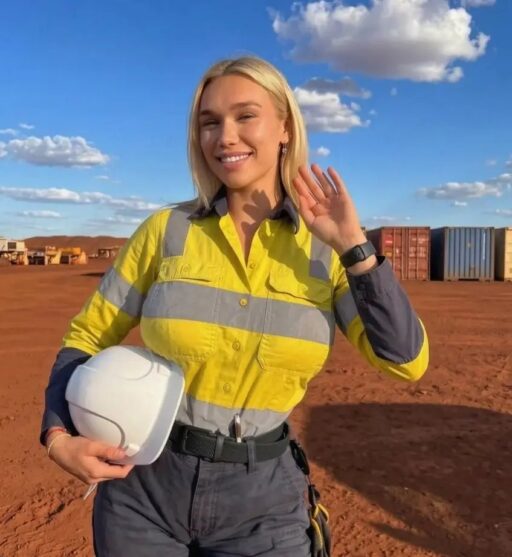
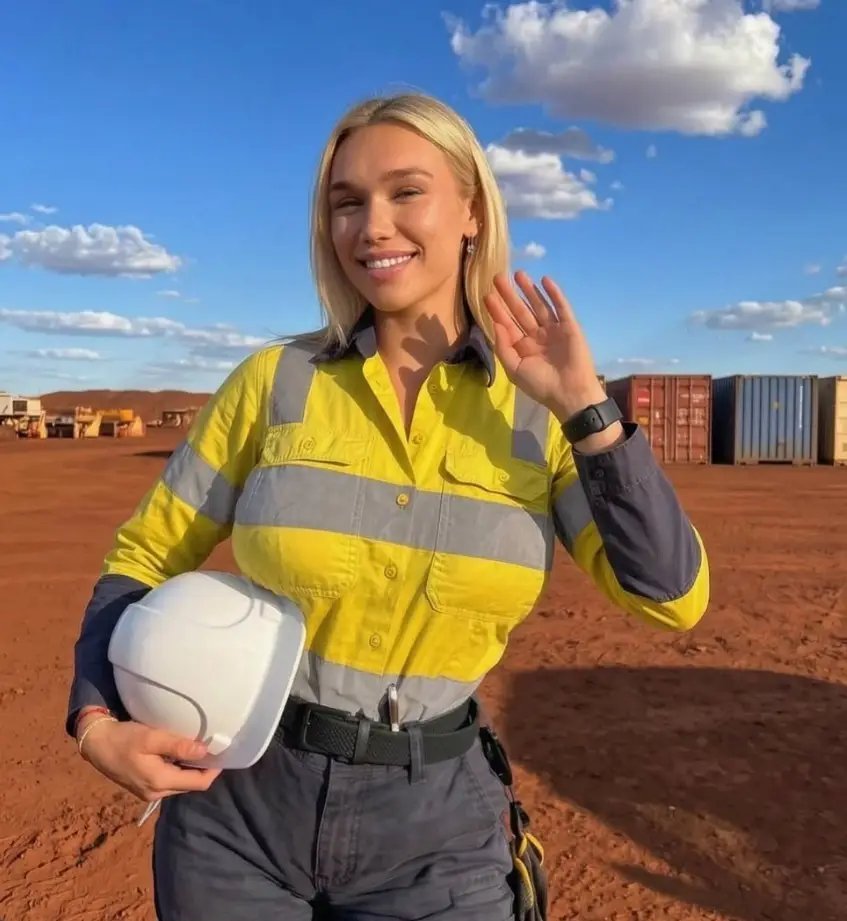
Exposing The Ultimate Deception: How A Fake FIFO Influencer Duped Thousands Of Followers With AI-Generated Content
- A shocking investigation has revealed that popular FIFO influencer Bindi Raye is actually an AI-generated creation, leaving her 81,000 followers stunned and feeling betrayed
- The fake influencer’s page was filled with discrepancies, including jumbled letters on signs, distorted backgrounds, and lip movement inconsistencies that raised red flags among experts
- Bindi Raye’s account was used to promote paid pornography on a subscription platform, sparking discussions about the targeting of high-earning mining professionals for paid adult content
- The incident has raised concerns about the use of AI-generated content and the need for social media platforms to invest in technology to detect and prevent such deceptions
The news that Bindi Raye, the FIFO influencer who had captured the hearts of thousands of followers in Western Australia, is actually an AI-generated creation has sent shockwaves across the country.
The 20-year-old content creator’s glossy videos and photos of her life as a mining worker had amassed a huge following, with many believing she was the ultimate FIFO fantasy.
However, a closer look at her page revealed a number of discrepancies that raised eyebrows among experts, including jumbled letters on signs, distorted backgrounds, and lip movement inconsistencies.
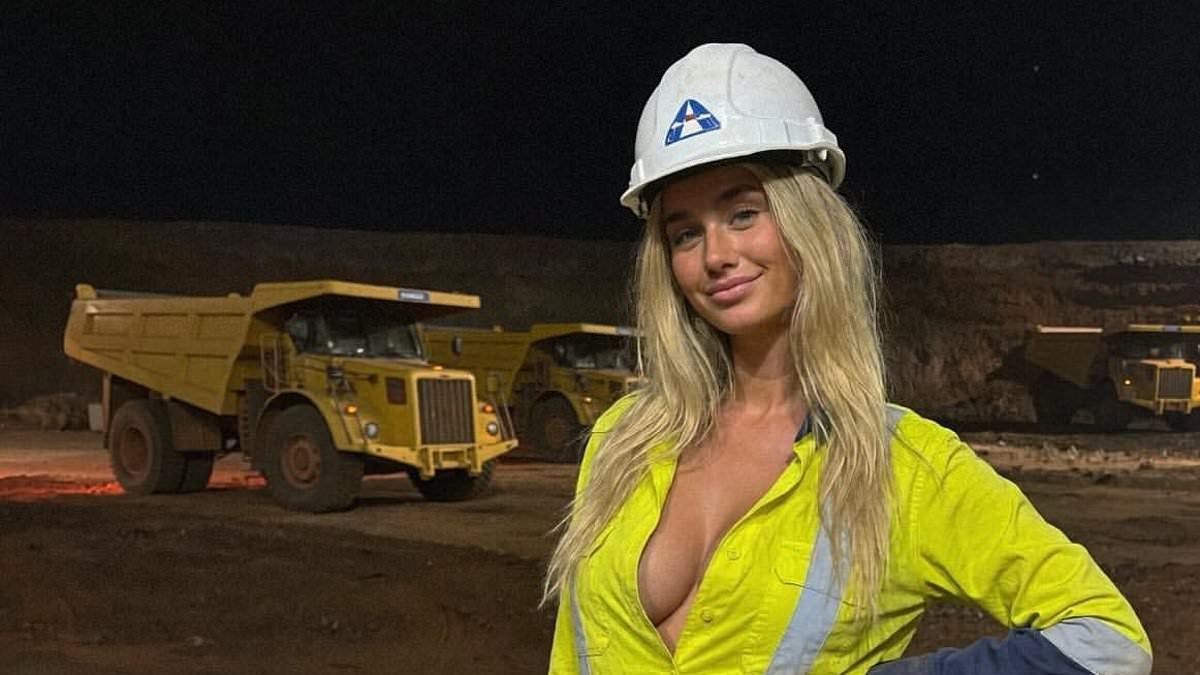
Priyanka Singh, a cybersecurity expert from the University of Queensland, was one of the first to sound the alarm, telling the ABC that there were features of Raye’s page that were “almost 100 per cent AI-generated”.
Dr Singh pointed out that the lip sync was not in line with what Raye was saying, and that there were inconsistencies in the shadows and frame inconsistencies.
These discrepancies were not just limited to her videos, but also extended to her photos, which appeared to be carefully crafted to create a fake persona.
The use of AI-generated content to create fake personas is a growing concern, with many experts warning that it can be used to deceive and manipulate people.
In the case of Bindi Raye, the fake influencer’s page was used to promote paid pornography on a subscription platform, with her followers being directed to pay up to $115 for access to explicit content.
This has sparked discussions about the targeting of high-earning mining professionals for paid adult content, and the need for social media platforms to take action to prevent such deceptions.
According to Rob Haywood, Fanvue’s head of trust and safety, Bindi Raye’s account was confirmed as an AI creator on the platform, which is not uncommon, as 75 per cent of their creators are AI-generated.
However, Haywood claimed that every Fanvue account is linked to real “verifiable people”, raising questions about the true identity of the person behind the Bindi Raye facade.
Monash University research fellow Emily van der Nagel described the conversation around Bindi Raye’s account as a “cultural moment of reckoning”, highlighting the need for people to be more critical of the content they consume online.
The incident has also raised concerns about the role of social media platforms in preventing the spread of AI-generated content.
Meta, the owner of Instagram, removed Bindi Raye’s account after being contacted by PerthNow, citing its policy of requiring people to disclose when they post realistic AI-generated content.
However, the company’s response has been criticized for being too slow, with many calling for more action to be taken to detect and prevent such deceptions.
As Dr Singh pointed out, “seeing used to be believing”, but with the rise of AI-generated content, it is becoming increasingly difficult to distinguish between what is real and what is fake.
Analysis: What This Means for Australia is that the country needs to take a closer look at the use of AI-generated content and its potential impact on society.
The incident highlights the need for greater awareness and education about the use of AI-generated content, as well as the importance of critical thinking and media literacy.
It also raises questions about the role of social media platforms in preventing the spread of such content and the need for more effective regulation and enforcement.
As the use of AI-generated content continues to grow, it is essential that Australia takes a proactive approach to addressing these concerns and ensuring that the public is protected from deception and manipulation.
Security analysts say that the use of AI-generated content is a growing concern, with many warning that it can be used to spread disinformation and propaganda.
Law enforcement insiders warn that the use of such content can also be used to commit crimes, such as fraud and identity theft.
Industry observers believe that the incident highlights the need for greater investment in technology to detect and prevent AI-generated content, as well as the importance of international cooperation to address the issue.
As the world becomes increasingly digital, it is essential that we take a proactive approach to addressing the challenges posed by AI-generated content and ensuring that the public is protected from its potential harms.
The incident has also sparked discussions about the impact of AI-generated content on the mining industry, with many calling for greater awareness and education about the issue.
The use of AI-generated content to target high-earning mining professionals for paid adult content has raised concerns about the potential for exploitation and the need for greater protection for workers in the industry.
As the mining industry continues to grow and evolve, it is essential that we take a proactive approach to addressing the challenges posed by AI-generated content and ensuring that workers are protected from its potential harms.
In conclusion, the incident involving Bindi Raye highlights the need for greater awareness and education about the use of AI-generated content and its potential impact on society.
It also raises questions about the role of social media platforms in preventing the spread of such content and the need for more effective regulation and enforcement.
As Australia continues to navigate the challenges posed by AI-generated content, it is essential that we take a proactive approach to addressing these concerns and ensuring that the public is protected from deception and manipulation.
By investing in technology to detect and prevent AI-generated content, and by promoting greater awareness and education about the issue, we can help to create a safer and more secure online environment for all.
For more information on this topic, you can visit the Australian Cyber Security Centre or the Australian Bureau of Statistics website. You can also follow the latest news and updates on the mining industry and the social media landscape.