
Australia Teeters On Brink Of Diesel Rationing And $4-Per-Litre Prices As US Export Ban Looms Large
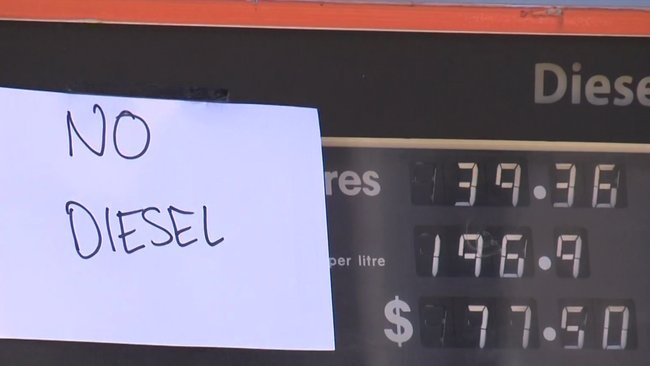
- Australia’s diesel supplies are under threat due to a potential US export ban, which could lead to rationing and prices skyrocketing to over $4 per litre
- The country’s heavy reliance on diesel for agriculture and mining industries has left it uniquely vulnerable to global market fluctuations
- Experts warn that the proposed export ban could have catastrophic consequences for Australia’s economy, with the nation potentially running out of diesel within weeks
- The US export ban is being considered to alleviate soaring fuel prices ahead of the midterm elections, but it could have far-reaching and devastating effects on the global market
The possibility of a US export ban on diesel has sent shockwaves through the Australian fuel market, with experts warning of a potentially disastrous outcome for the country’s economy.
As the US considers restricting exports to relieve internal fuel prices, Australia is facing the very real threat of diesel rationing and prices topping $4 per litre.
The situation is exacerbated by the country’s heavy reliance on diesel for its agriculture and mining industries, which are the backbone of the Australian economy.
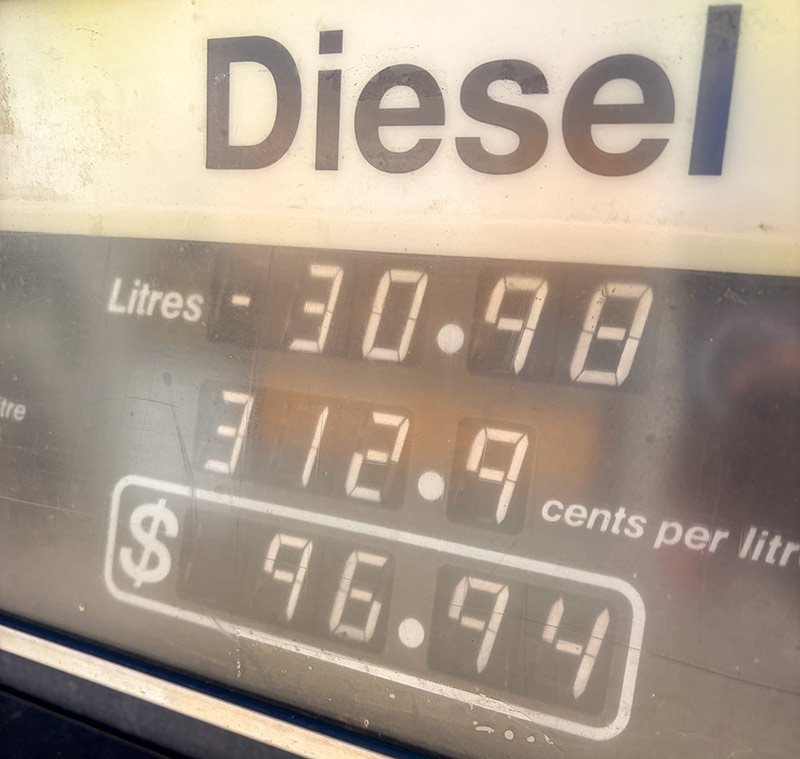
The warning signs have been evident for some time, with diesel prices in the US reaching record highs of over $US6.50 a gallon.
The proposed export ban, which has been backed by US President Donald Trump, could have a devastating impact on global markets, with Australia being particularly vulnerable.
According to energy analyst Saul Kavonic, the country is the largest importer of diesel in the world, accounting for 10 per cent of global seaborne diesel imports.
This places Australia in a precarious position, with the nation heavily reliant on international supplies to meet its fuel needs.
The current situation is a result of a perfect storm of global events, including the conflict in the Middle East and the Ukraine-Russia war, which have seen several major refineries taken offline.
The resulting shortage of diesel has led to a sharp increase in prices, with the “crack spread” or profit margin on diesel increasing as refiners capitalise on the crisis.
This has had a significant impact on Australia’s farmers, who are already operating on slim margins.
The situation is further complicated by the fact that Russia and China have stopped exporting refined fuels, leaving the US to pick up the slack in the diesel export market.
As the US considers an export ban, Australia is facing a potentially catastrophic outcome. With the nation’s fuel stockpiles under threat, the government is being forced to reconsider its demand management and rationing program.
According to Mr Kavonic, the situation could escalate to the point where Australia is forced to implement stage 3 and stage 4 of its National Fuel Security Plan, which includes practical measures to reduce fuel demand and prioritisation of fuel supplies at the local level.
This could lead to widespread rationing and shortages, having a devastating impact on the economy and the community.
Analysis: What This Means for Australia is a critical consideration, with the potential US export ban having significant implications for national security, law enforcement, and community safety.
The situation highlights the need for Australia to diversify its fuel supplies and reduce its reliance on international markets. The government must also consider the potential economic and social consequences of a diesel shortage, including the impact on agriculture, mining, and transport industries.
As the situation continues to unfold, it is essential that the government takes a proactive approach to addressing the crisis, including engaging in diplomatic efforts to secure alternative fuel supplies and implementing measures to reduce demand and mitigate the effects of a potential shortage.
Security analysts say that the situation is a wake-up call for Australia, highlighting the need for the country to develop a more robust and resilient fuel security strategy.
Law enforcement insiders warn that a diesel shortage could have significant implications for community safety, with the potential for widespread disruptions to essential services.
Industry observers believe that the situation is a classic example of the interconnectedness of global markets, with events in one part of the world having a ripple effect on others.
As the US considers an export ban, Australia must take a proactive approach to addressing the crisis, including seeking alternative fuel supplies and implementing measures to reduce demand and mitigate the effects of a potential shortage.
The situation is a stark reminder of the importance of energy security and the need for Australia to develop a more diversified and resilient fuel supply chain.
The government must also consider the potential implications of a diesel shortage on national security, including the impact on law enforcement and community safety.
As the situation continues to unfold, it is essential that the government takes a proactive approach to addressing the crisis, including engaging in diplomatic efforts to secure alternative fuel supplies and implementing measures to reduce demand and mitigate the effects of a potential shortage.
The Australian Bureau of Statistics has warned of the potential consequences of a diesel shortage, including the impact on inflation and economic growth.
In conclusion, the potential US export ban on diesel is a critical issue that requires immediate attention from the Australian government.
The situation highlights the need for Australia to develop a more robust and resilient fuel security strategy, including diversifying its fuel supplies and reducing its reliance on international markets.
As the situation continues to unfold, it is essential that the government takes a proactive approach to addressing the crisis, including engaging in diplomatic efforts to secure alternative fuel supplies and implementing measures to reduce demand and mitigate the effects of a potential shortage.
The fuel crisis is a stark reminder of the importance of energy security and the need for Australia to develop a more diversified and resilient fuel supply chain.