
Australia’s Climate Future Hangs In The Balance As Coalition Unveils Plan To Dismantle Key Emissions Reduction Policies And Embrace Nuclear Power
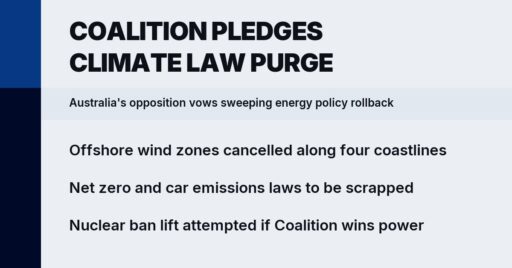
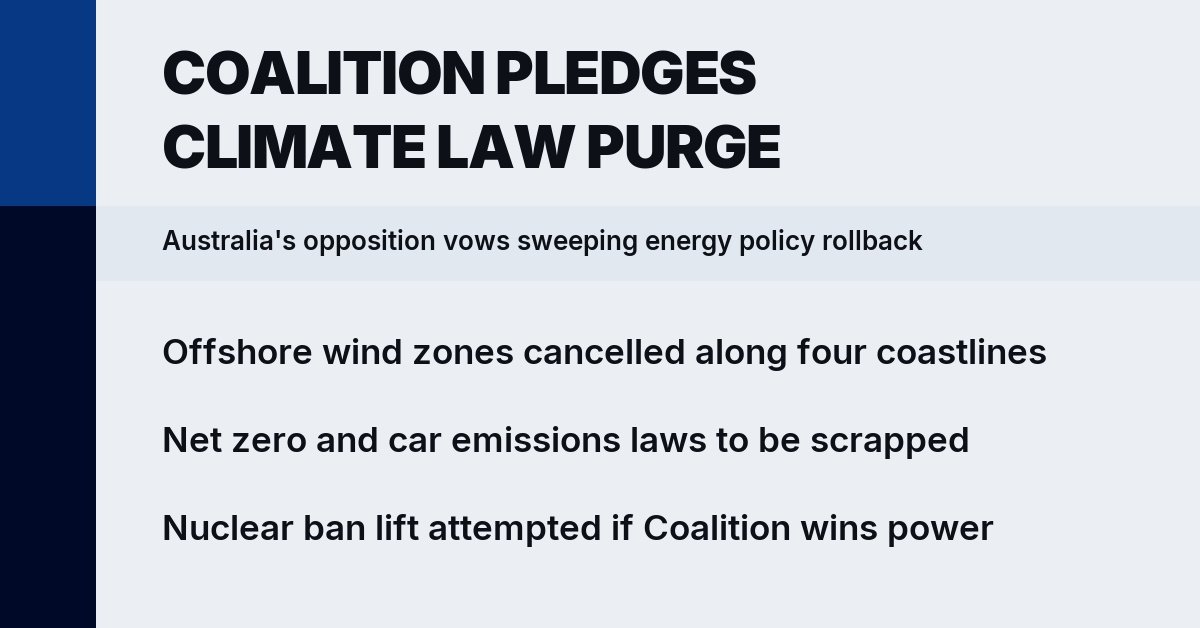
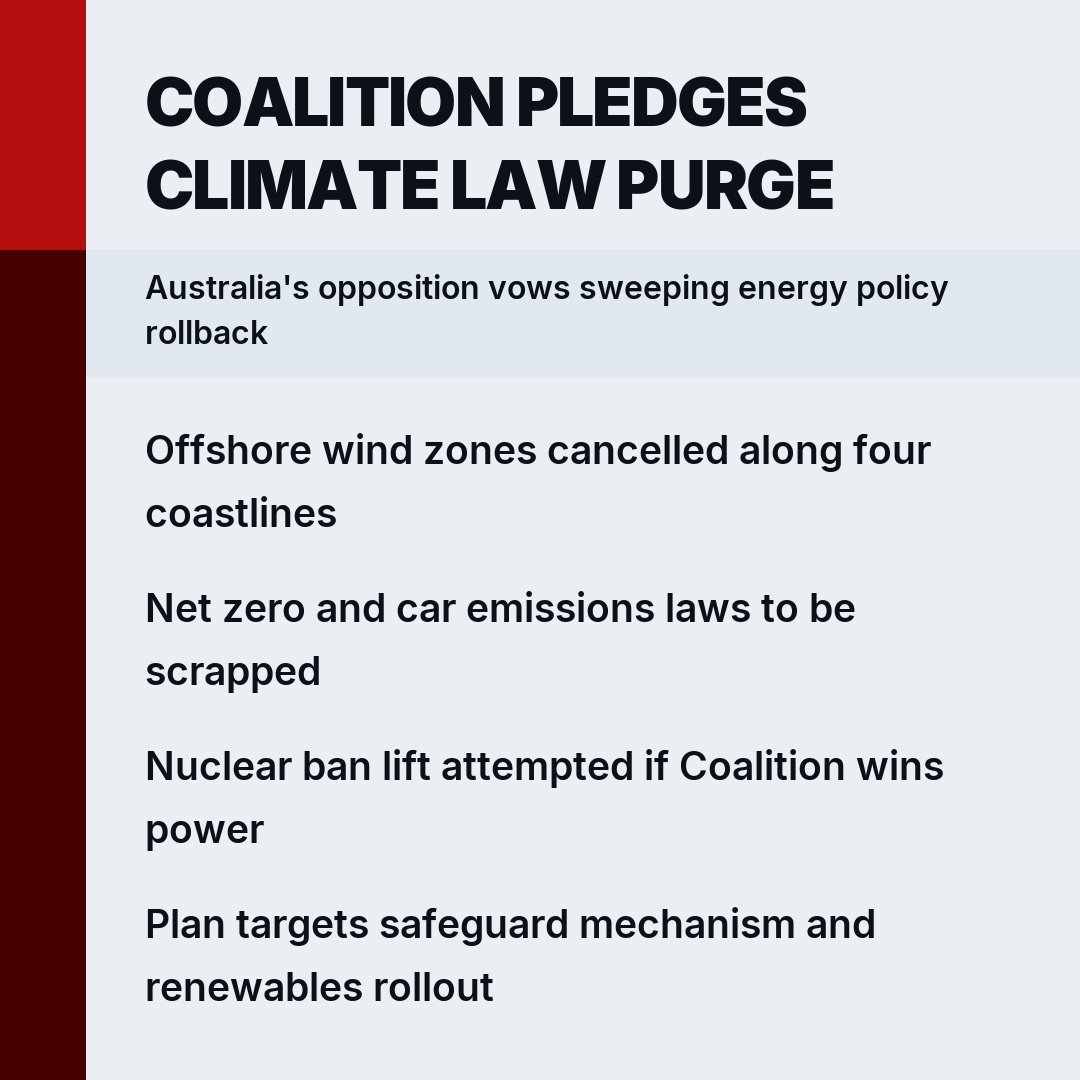
- The Coalition’s proposed energy plan would cancel offshore wind zones, scrap climate laws for heavy industry and car makers, and attempt to lift the ban on nuclear power, sparking fears of a massive setback for Australia’s climate goals.
- Experts warn that the plan would not only hinder the country’s transition to renewable energy but also have severe economic and social consequences, including increased energy costs and decreased competitiveness.
- The move has been met with fierce criticism from environmental groups, industry leaders, and independent MPs, who argue that the plan is “dumb, dangerous and desperate” and would drag the country backwards.
- As the country grapples with the challenges of climate change, the Coalition’s plan has raised questions about Australia’s commitment to reducing its carbon footprint and its role in the global effort to combat climate change.
The Coalition’s proposed energy plan has sent shockwaves throughout the country, with many experts and industry leaders warning that it would have severe consequences for Australia’s climate goals and economic future.
The plan, which includes canceling offshore wind zones, scrapping climate laws for heavy industry and car makers, and attempting to lift the ban on nuclear power, has been met with fierce criticism from environmental groups, industry leaders, and independent MPs.
At the heart of the plan is a commitment to slow down the transition to renewable energy and prioritize energy affordability and reliability.
The Coalition argues that the current pace of transition is too rapid and that the focus on renewables is driving up energy costs and hindering economic growth.
However, experts argue that this approach is short-sighted and ignores the long-term benefits of transitioning to renewable energy.
The proposed plan would have far-reaching consequences for Australia’s energy sector, including the potential for increased greenhouse gas emissions, decreased investment in renewable energy, and a heightened reliance on fossil fuels.
The plan would also have significant economic implications, including the potential for job losses in the renewable energy sector and increased energy costs for households and businesses.
One of the most contentious aspects of the plan is the attempt to lift the ban on nuclear power.
The Coalition argues that nuclear power is a reliable and efficient source of energy that could help to reduce greenhouse gas emissions and provide a stable source of power for energy-hungry industries such as AI data centers.
However, critics argue that nuclear power is a dirty and dangerous source of energy that poses significant risks to the environment and public health.
As the debate over the Coalition’s energy plan continues to unfold, it is clear that the stakes are high.
The plan has the potential to either accelerate or hinder Australia’s transition to a low-carbon economy, and the consequences of getting it wrong could be severe.
Analysis: What This Means for Australia is that the country is at a critical juncture in its energy policy, and the decisions made now will have far-reaching consequences for the country’s climate goals, economic future, and energy security.
Security analysts say that the Coalition’s plan poses significant risks to Australia’s national security, as it could lead to increased reliance on imported fuels and decreased energy self-sufficiency.
Law enforcement insiders warn that the plan could also have significant implications for public safety, as it could lead to increased social unrest and community opposition to energy projects.
Industry observers believe that the plan could have significant economic consequences, including decreased investment in renewable energy and increased energy costs for households and businesses.
In conclusion, the Coalition’s proposed energy plan is a highly contentious and complex issue that has significant implications for Australia’s climate goals, economic future, and energy security.
As the country grapples with the challenges of climate change, it is clear that a comprehensive and integrated approach to energy policy is needed, one that prioritizes renewable energy, energy efficiency, and reduced greenhouse gas emissions.
The Coalition’s plan falls short of this goal, and it is up to the Australian people to demand a better approach to energy policy, one that prioritizes the country’s long-term interests and the health of the planet.
For more information on this topic, please visit our website and search for energy policy or climate change. You can also visit the website of the Australian Bureau of Statistics for more information on the economic implications of the Coalition’s plan.