
Australia Braces For Catastrophic Summer: Experts Warn Of Heatwaves, Bushfires, And Thunderstorms As Severe Weather Season Looms
- Australians are on high alert as the country prepares for a potentially devastating summer, with heatwaves, bushfires, thunderstorms, and floods expected to wreak havoc across the nation
- 7NEWS meteorologist Tony Auden warns that the threat is already being felt, with bushfire activity increasing in NSW and Queensland, and southern states facing heightened risks from hot and dry conditions
- The warning comes as global temperatures continue to run exceptionally high, with 2026 confirmed as the second-warmest year on record globally from January to August, behind 2024
- Households are being urged to prepare now, with experts warning that the combination of dry conditions and storms could create particularly dangerous weather, including damaging hail and supercell thunderstorms
As the summer months approach, Australians are being warned to prepare for the worst, with a potentially catastrophic season of severe weather looming on the horizon.
With heatwaves, bushfires, thunderstorms, and floods all expected to make an appearance, the country is bracing itself for a summer of unprecedented severity.
According to 7NEWS meteorologist Tony Auden, the threat is already being felt, with bushfire activity increasing in NSW and Queensland, and southern states facing heightened risks from hot and dry conditions.
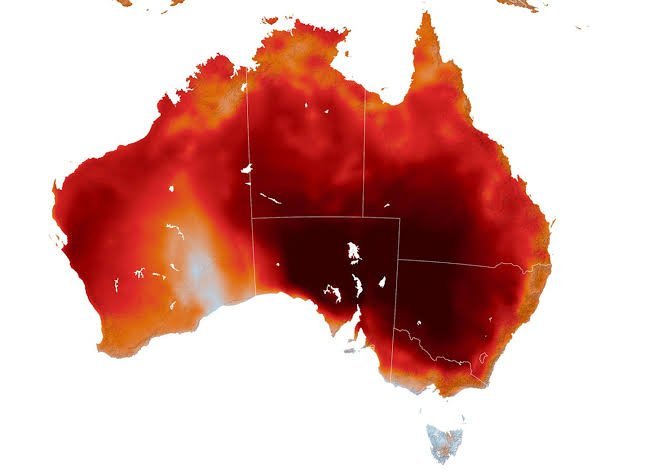
The core of the issue lies in the exceptionally high global temperatures, which are running at record-breaking levels. The Copernicus Climate Change Service has confirmed that 2026 was the second-warmest year on record globally from January to August, behind 2024.
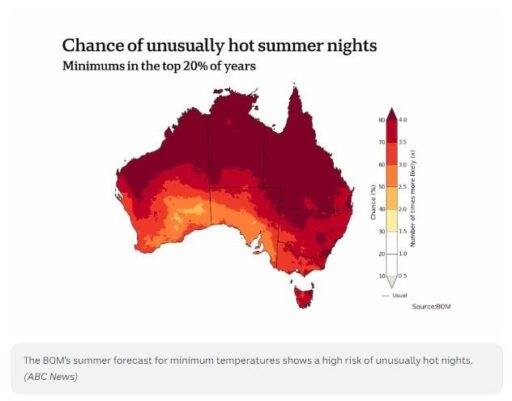
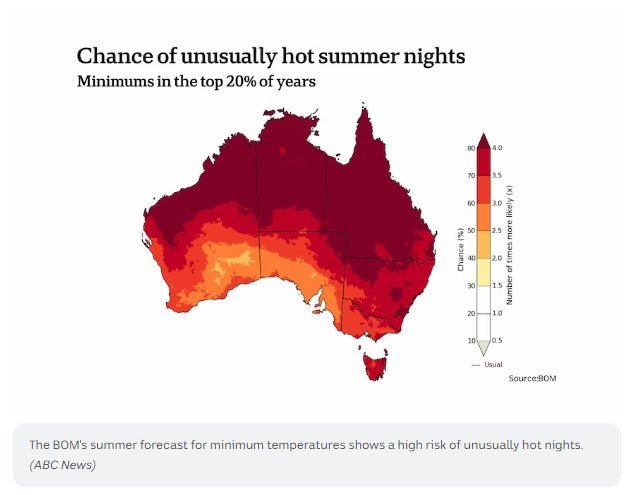
This warmer global baseline could mean more extreme heat across Australia, with Auden warning that the country is facing a heightened risk of heatwaves, bushfires, and other severe weather events.
Australia has already experienced an exceptionally warm winter, with the Bureau of Meteorology (BOM) recording Australia’s 2026 winter as the equal third-hottest on record, while NSW, Victoria, and Tasmania each recorded their warmest winter on record.
But the heat is not the only concern, with severe thunderstorms also expected to make an appearance across the season. Auden warns that these storms could bring damaging hail and other dangerous conditions, with the potential for supercell thunderstorms to develop in the dry air.
The BOM has also found that sea surface temperatures around Australia were the second-warmest on record, at 0.75°C above average, which could contribute to the development of these severe weather events.
Last summer’s severe weather included widespread thunderstorms and damaging hail, with the BOM recording 11 tropical cyclones in the Australian region during the 2025-26 financial year, slightly above the long-term average of 10.
As the summer progresses, the weather threat will shift across the country, with NSW and Queensland facing an increased risk of bushfires, particularly in the north.
Further south, southern NSW, Victoria, Tasmania, and South Australia will increasingly face the threat of heat and bushfires as summer sets in. Across northern Australia, thunderstorms and tropical systems are expected to become a greater risk as the wet season develops.
The warmer global baseline will also increase the potential for extreme temperature spikes, making heatwaves a major concern across the country.
Analysis: What This Means for Australia is a critical consideration, as the country faces a potentially catastrophic summer.
The implications for national security are significant, with the severe weather events expected to put a strain on emergency services and infrastructure. Law enforcement agencies will need to be on high alert, with the potential for evacuations and emergency responses to become a reality.
The community impact will also be significant, with households facing the risk of property damage, displacement, and even loss of life. The economic consequences of these severe weather events should not be underestimated, with the potential for significant damage to infrastructure, agriculture, and industry.
Security analysts say that the key to mitigating the impact of these severe weather events is preparation. Households should start preparing now, rather than waiting for the worst of summer to arrive.
This includes taking steps to secure properties, having emergency plans in place, and staying informed about the latest weather forecasts and warnings. Law enforcement insiders warn that the combination of dry conditions and storms could create particularly dangerous weather, and households should be prepared for the worst.
Industry observers believe that the warmer global baseline will continue to contribute to the development of severe weather events, and that Australia needs to be prepared for a summer of unprecedented severity.
As the country prepares for the worst, households are being urged to take action now. This includes bushfire preparation measures, such as clearing gutters and preparing emergency kits.
The Australian Bureau of Meteorology is also providing critical weather forecasts and warnings, which households should stay informed about.
By taking these steps, Australians can reduce the risk of property damage, displacement, and even loss of life, and be better prepared for the potentially catastrophic summer that lies ahead.
In conclusion, the severe weather season is looming, and Australians need to be prepared. With heatwaves, bushfires, thunderstorms, and floods expected to make an appearance, the country is facing a potentially catastrophic summer.
By understanding the risks, taking steps to prepare, and staying informed, households can reduce the impact of these severe weather events and stay safe.
As the summer months approach, one thing is certain – Australia is in for a wild ride, and it’s time to batten down the hatches and prepare for the worst.