
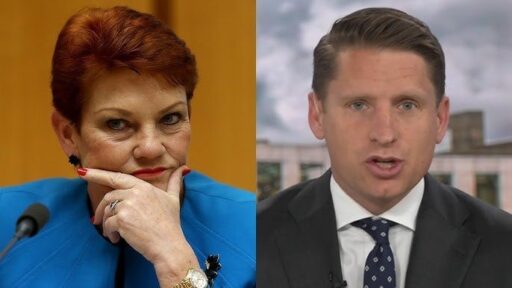

Government Under Fire as Scandals and Controversies Erupt in Parliament: What This Means for Australia’s Trust in Politics
- Prime Minister Anthony Albanese faces backlash over undeclared honorary membership to a golf club that received a $6 million grant
- Opposition Leader Angus Taylor accuses Labor of implementing a “tax on newborns” with new budget changes
- Deepfake propaganda campaign targeting Australian politicians exposed, with dozens of fake Facebook pages linked to a single influencer business in Sri Lanka
The Australian government is facing a perfect storm of scandals and controversies, with the opposition seizing on every opportunity to attack the ruling party’s integrity and trustworthiness.
At the center of the maelstrom is Prime Minister Anthony Albanese, who has been accused of failing to declare an honorary membership to a golf club that received a $6 million grant.
The Marrickville Golf Club, located in Albanese’s electorate, was awarded the grant as part of a community infrastructure program. However, the prime minister has been accused of not declaring his honorary membership on his register of interests.
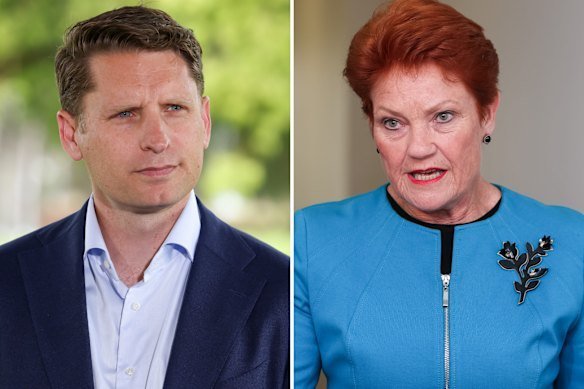
Albanese has defended himself, stating that he was given the membership in 2012 and does not have a membership card or attend the club.
Meanwhile, Opposition Leader Angus Taylor has launched a scathing attack on Labor’s budget changes, accusing the government of implementing a “tax on newborns.” The changes, which were announced in the budget, would see tax experts claiming that newborn children added to trusts after the July 2029 cut-off date would be taxed at 47% on their entire first year of trust income.
The government has defended the changes, stating that they are designed to better align the tax treatment of income earned from trusts with taxes paid by workers.
However, the opposition has seized on the issue, accusing Labor of targeting families and small businesses.
In another shocking revelation, a deepfake propaganda campaign targeting Australian politicians has been exposed. Research organisation Reset Tech has tracked over 200 Facebook pages impersonating Prime Minister Anthony Albanese, Opposition Leader Angus Taylor, and other politicians.
The pages have been linked to a single influencer business in Sri Lanka and have been spreading false information and propaganda.
Analysis: What This Means for Australia
The latest scandals and controversies to hit the Australian government have serious implications for the country’s trust in politics. The prime minister’s failure to declare his honorary membership to the Marrickville Golf Club has raised questions about his integrity and transparency.
The opposition’s accusations of a “tax on newborns” have also sparked widespread concern among families and small business owners.
The deepfake propaganda campaign targeting Australian politicians is a worrying development, highlighting the need for greater regulation and oversight of social media platforms.
The government’s proposed Digital Duty of Care legislation, which would require social media companies to identify and mitigate harmful content on their platforms, has been welcomed by some as a step in the right direction.
However, critics argue that the legislation does not go far enough, and that more needs to be done to protect Australians from online misinformation and propaganda.
As the government continues to grapple with these issues, one thing is clear: the Australian public is demanding greater transparency and accountability from their politicians.
Expert Commentary
Security analysts say that the deepfake propaganda campaign targeting Australian politicians is a wake-up call for the government to take action on online misinformation. “This is a serious threat to our democracy, and the government needs to take concrete steps to address it,” said one analyst.
Law enforcement insiders warn that the campaign highlights the need for greater cooperation between governments and social media platforms to combat online propaganda. “We need to work together to identify and take down these fake pages, and to prevent them from spreading false information,” said one insider.