
Vietnam’s ‘Dental Tourism’ Boom: How Australians Are Flocking to Southeast Asia for Cheap Dental Care – But at What Cost?
- Thousands of Australians are ditching local dentists for cheaper dental care in Vietnam, despite warnings of risks and complications
- Vietnamese clinics are targeting Aussies on social media with promises of low-cost treatments and luxury holidays
- Experts warn of inadequate medical protections for foreign patients and the potential for botched procedures
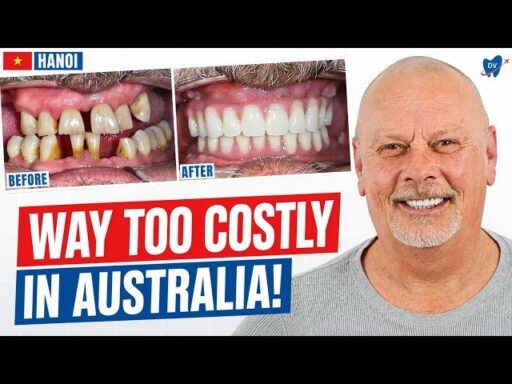
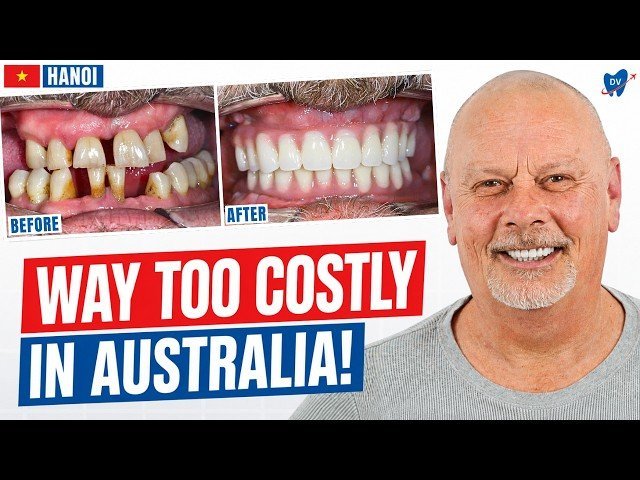
Wendy Middleton’s smile was once her greatest insecurity. For over 20 years, she hid her “awful teeth” behind her hands, too embarrassed to show them off.
But after years of neglect, her teeth had become more than just a cosmetic issue – they were a source of chronic pain.
The 67-year-old from Adelaide’s north had stopped going to the dentist due to the prohibitive costs, but when she was quoted $40,000 for the necessary work, she knew she had to look elsewhere.
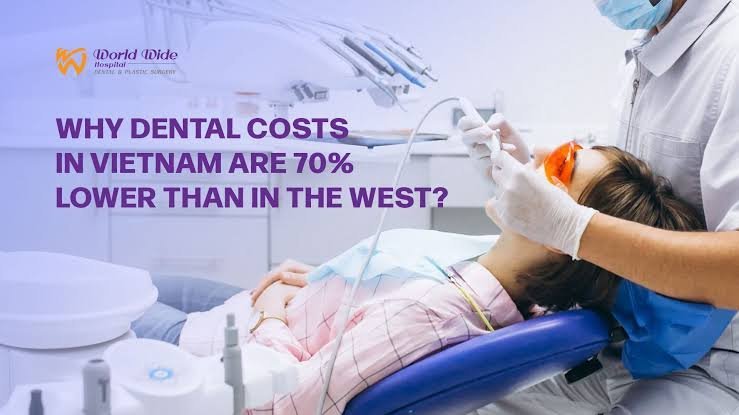
That’s when she stumbled upon Vietnam’s thriving dental tourism industry. For a fraction of the cost, she could get the same treatment, along with flights, accommodation, and even a holiday.
It was an offer too good to refuse. But Middleton’s story is not unique.
Thousands of Australians are flocking to Vietnam for dental care, drawn by the promise of cheap treatments and luxury holidays. The Vietnamese government is actively courting medical tourists, with plans to more than double the current number of international patients by 2030.
But Australian dentists are sounding the alarm, warning of the risks and complications associated with overseas dental care. Consultant prosthodontist Scott Davis says he’s seen too many patients return from abroad with botched procedures and inadequate aftercare.
“The medical legal protections for foreign citizens having care in Vietnam are nowhere near as robust as they are in Australia,” Dr Davis warns.
“If you do have adverse outcomes, you have very poor opportunities to effectively receive compensation.”
Despite the risks, many Australians are willing to take the gamble.
Smartraveller reports that dentistry is one of the most common medical procedures that Australians travel overseas for, with almost half of travellers considering it due to the lower cost of treatment.
But experts say the trend is not just about cost – it’s also about the lack of regulation in Australia’s dental industry. Dr Davis argues that Australia needs to overhaul its dental industry, bringing down prices and making it more competitive with overseas options.
“Australia needs to regulate the price and cut them down,” agrees Wendy Middleton. “I can go back to Vietnam 10 times, and I still won’t pay $40,000.
If they brought their prices down here in Australia, people would stay.”
As Vietnam’s medical tourism industry continues to boom, the Australian government is warning citizens of the risks.
The Department of Health, Disability and Ageing advises anyone considering dental treatment overseas to understand the risks, seek advice from a registered health practitioner, and check what aftercare, insurance, and consumer protections are available.
But for many Australians, the lure of cheap dental care is too great to resist. As the Vietnamese government ramps up its efforts to attract medical tourists, it remains to be seen whether the risks will outweigh the benefits.
Analysis: What This Means for AustraliaThe rise of dental tourism in Vietnam has significant implications for Australia’s healthcare industry.
As more and more Australians seek cheap dental care overseas, the demand for local services is likely to decrease. This could have a devastating impact on Australian dentists, particularly those in rural areas where services are already scarce.
Furthermore, the lack of regulation in Australia’s dental industry is a major concern. If Australia is to compete with overseas options, it needs to bring down prices and make dental care more accessible to all.
The issue also raises questions about the role of social media in promoting medical tourism.
As Vietnamese clinics target Australians with promises of low-cost treatments and luxury holidays, it’s clear that the industry is using every tool at its disposal to attract customers.
Ultimately, the rise of dental tourism in Vietnam is a wake-up call for Australia’s healthcare industry. It’s time for the government to take a closer look at the regulations and pricing structures that are driving Australians overseas for medical care.
Expert Commentary:
“Medical tourism is becoming a strategic priority for the Vietnamese government, but it’s a complex issue that requires careful consideration,” says associate professor Giannina Warren, an expert in place branding.
“While there are certainly benefits to medical tourism, there are also risks and uncertainties that need to be addressed.”
“Dental tourism is a symptom of a broader issue in Australia’s healthcare industry,” argues Dr Scott Davis.
“We need to make dental care more accessible and affordable for all Australians, rather than relying on overseas options.”
Wendy Middleton’s smile was once her greatest insecurity. For over 20 years, she hid her “awful teeth” behind her hands, too embarrassed to show them off. But after years of neglect, her teeth had become more than just a cosmetic issue – they were a source of chronic pain. The 67-year-old from Adelaide’s north had stopped going to the dentist due to the prohibitive costs, but when she was quoted $40,000 for the necessary work, she knew she had to look elsewhere.
That’s when she stumbled upon Vietnam’s thriving dental tourism industry. For a fraction of the cost, she could get the same treatment, along with flights, accommodation, and even a holiday. It was an offer too good to refuse. But Middleton’s story is not unique. Thousands of Australians are flocking to Vietnam for dental care, drawn by the promise of cheap treatments and luxury holidays.
The Vietnamese government is actively courting medical tourists, with plans to more than double the current number of international patients by 2030. But Australian dentists are sounding the alarm, warning of the risks and complications associated with overseas dental care. Consultant prosthodontist Scott Davis says he’s seen too many patients return from abroad with botched procedures and inadequate aftercare.
“The medical legal protections for foreign citizens having care in Vietnam are nowhere near as robust as they are in Australia,” Dr Davis warns. “If you do have adverse outcomes, you have very poor opportunities to effectively receive compensation.”
Despite the risks, many Australians are willing to take the gamble. Smartraveller reports that dentistry is one of the most common medical procedures that Australians travel overseas for, with almost half of travellers considering it due to the lower cost of treatment.
But experts say the trend is not just about cost – it’s also about the lack of regulation in Australia’s dental industry. Dr Davis argues that Australia needs to overhaul its dental industry, bringing down prices and making it more competitive with overseas options.
“Australia needs to regulate the price and cut them down,” agrees Wendy Middleton. “I can go back to Vietnam 10 times, and I still won’t pay $40,000. If they brought their prices down here in Australia, people would stay.”
As Vietnam’s medical tourism industry continues to boom, the Australian government is warning citizens of the risks. The Department of Health, Disability and Ageing advises anyone considering dental treatment overseas to understand the risks, seek advice from a registered health practitioner, and check what aftercare, insurance, and consumer protections are available.
But for many Australians, the lure of cheap dental care is too great to resist. As the Vietnamese government ramps up its efforts to attract medical tourists, it remains to be seen whether the risks will outweigh the benefits.
The rise of dental tourism in Vietnam has significant implications for Australia’s healthcare industry. As more and more Australians seek cheap dental care overseas, the demand for local services is likely to decrease. This could have a devastating impact on Australian dentists, particularly those in rural areas where services are already scarce.
Furthermore, the lack of regulation in Australia’s dental industry is a major concern. If Australia is to compete with overseas options, it needs to bring down prices and make dental care more accessible to all.
The issue also raises questions about the role of social media in promoting medical tourism. As Vietnamese clinics target Australians with promises of low-cost treatments and luxury holidays, it’s clear that the industry is using every tool at its disposal to attract customers.
Ultimately, the rise of dental tourism in Vietnam is a wake-up call for Australia’s healthcare industry. It’s time for the government to take a closer look at the regulations and pricing structures that are driving Australians overseas for medical care.
Expert Commentary:
“Medical tourism is becoming a strategic priority for the Vietnamese government, but it’s a complex issue that requires careful consideration,” says associate professor Giannina Warren, an expert in place branding. “While there are certainly benefits to medical tourism, there are also risks and uncertainties that need to be addressed.”
“Dental tourism is a symptom of a broader issue in Australia’s healthcare industry,” argues Dr Scott Davis. “We need to make dental care more accessible and affordable for all Australians, rather than relying on overseas options.”