


Australia’s Economic Future Hangs In The Balance: Treasurer Jim Chalmers Signals Fresh Tax Cuts As Nation Faces Daunting 40-Year Forecast
- Australia is on the cusp of a major economic shift, with a 40-year forecast warning of significant challenges that will impact the nation’s workforce, budget, and population growth.
- Treasurer Jim Chalmers is set to unveil the seventh Intergenerational Report, which will reveal a stark vision of Australia’s future and the potential for further tax cuts to ease the burden on working Australians.
- The nation’s fertility rate is forecast to plummet over the next 40 years, with the average number of children born to each woman expected to drop to just 1.34 by 2066, placing increased pressure on the federal budget and workforce growth.
- As Australians live longer and the population grows older, the government is faced with the daunting task of balancing the budget, reducing the tax burden on workers, and maintaining a sustainable workforce.
The Australian economy is at a critical juncture, with the upcoming Intergenerational Report set to reveal a 40-year forecast that will shape the nation’s future.
Treasurer Jim Chalmers has signalled that fresh tax cuts may be on the horizon, as the government seeks to ease the burden on working Australians and stimulate economic growth.
With the nation’s fertility rate in decline and the population ageing, the report will highlight the significant challenges that lie ahead and the need for strategic planning to ensure a sustainable future.
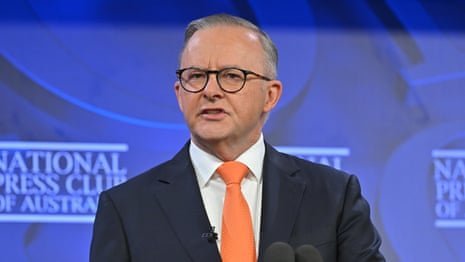
The seventh Intergenerational Report, to be unveiled on Monday, will provide a comprehensive overview of Australia’s economic outlook, including the potential for further tax cuts and the impact of demographic changes on the workforce and budget.
According to excerpts from the report, the government’s tax reforms have already eased the burden on working Australians, with the share of personal income tax expected to decrease by 2 percentage points by the end of the medium term.
The report will also canvass options for further tax cuts in the years ahead, as the government seeks to reduce the tax burden on workers and stimulate economic growth.
The Australian economy is facing significant challenges, including a declining fertility rate and an ageing population.
The nation’s fertility rate has remained below the replacement level of 2.1 children per woman for about 50 years, increasing the importance of migration in maintaining population and workforce growth.
With life expectancy at birth forecast to climb to almost 90 for women and 86 for men by 2066, the government is faced with the daunting task of balancing the budget, reducing the tax burden on workers, and maintaining a sustainable workforce.
As population growth and workforce development become increasingly important, the government must develop strategies to address these challenges and ensure a sustainable future for Australia.
Security analysts say that the nation’s economic future is inextricably linked to its ability to balance the budget, reduce the tax burden on workers, and maintain a sustainable workforce.
As the population ages and the fertility rate declines, the government must develop strategies to address these challenges and ensure a sustainable future for Australia.
With the Intergenerational Report set to reveal a stark vision of Australia’s future, the government is under pressure to develop a comprehensive plan to address the nation’s economic challenges and ensure a bright future for generations to come.
The report’s findings will have significant implications for national security, law enforcement, and community safety, as the government seeks to develop strategies to address the challenges posed by an ageing population and a declining fertility rate.
Analysis: What This Means for Australia is a critical component of the Intergenerational Report, as the government seeks to develop a comprehensive plan to address the nation’s economic challenges.
The report’s findings will have significant implications for Australia’s economic future, including the potential for further tax cuts, the impact of demographic changes on the workforce and budget, and the need for strategic planning to ensure a sustainable future.
As the nation’s fertility rate declines and the population ages, the government must develop strategies to address these challenges and ensure a sustainable future for Australia.
Law enforcement insiders warn that the challenges posed by an ageing population and a declining fertility rate will require a comprehensive approach, including the development of strategies to address social consequences and economic implications.
Industry observers believe that the Intergenerational Report will provide a critical framework for addressing the nation’s economic challenges, including the potential for further tax cuts and the impact of demographic changes on the workforce and budget.
As the government seeks to develop a comprehensive plan to address these challenges, it is essential that the report’s findings are carefully considered and that strategies are developed to ensure a sustainable future for Australia.
The report’s emphasis on the need for strategic planning and the development of comprehensive strategies to address the nation’s economic challenges is a critical component of the government’s approach to addressing the challenges posed by an ageing population and a declining fertility rate.
According to Australian Bureau of Statistics, the nation’s fertility rate has been in decline for several decades, highlighting the need for a comprehensive approach to addressing the challenges posed by demographic change.
The Intergenerational Report’s findings will have significant implications for Australia’s economic future, including the potential for further tax cuts and the impact of demographic changes on the workforce and budget.
As the government seeks to develop a comprehensive plan to address these challenges, it is essential that the report’s findings are carefully considered and that strategies are developed to ensure a sustainable future for Australia.
The report’s emphasis on the need for strategic planning and the development of comprehensive strategies to address the nation’s economic challenges is a critical component of the government’s approach to addressing the challenges posed by an ageing population and a declining fertility rate.
As the nation’s fertility rate declines and the population ages, the government must develop strategies to address these challenges and ensure a sustainable future for Australia, including the development of comprehensive plans to address economic consequences and social implications.
The Australian government is under pressure to develop a comprehensive plan to address the nation’s economic challenges, including the potential for further tax cuts and the impact of demographic changes on the workforce and budget.
As the Intergenerational Report is set to reveal a stark vision of Australia’s future, the government must develop strategies to address the challenges posed by an ageing population and a declining fertility rate.
The report’s findings will have significant implications for Australia’s economic future, including the potential for further tax cuts and the impact of demographic changes on the workforce and budget.
As the nation’s fertility rate declines and the population ages, the government must develop strategies to address these challenges and ensure a sustainable future for Australia, including the development of comprehensive plans to address national security implications and community safety concerns.