
Australia’s Shame: Former Spy Boss Slams Media For Failing To Report Antisemitic Incidents In Wake Of Hamas Attacks
- A former head of Australia’s domestic intelligence service has blasted the media for its handling of antisemitic incidents following the October 7 Hamas attacks on Israel
- The lack of coverage has been labelled a “failure” that plays into the hands of Neo-Nazis and extremist groups
- Experts warn that the issue of antisemitism must be addressed in a mature way, without targeting the broader Australian Muslim community
- The incident has sparked a national conversation about social cohesion, with some Jewish children requiring security to attend school and sporting events
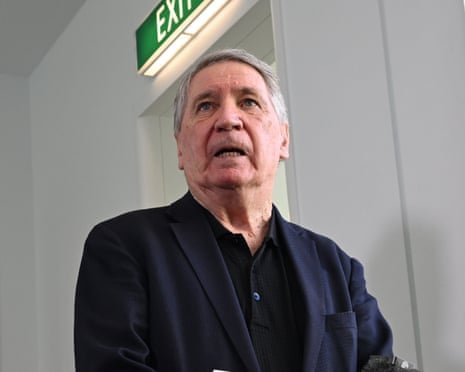
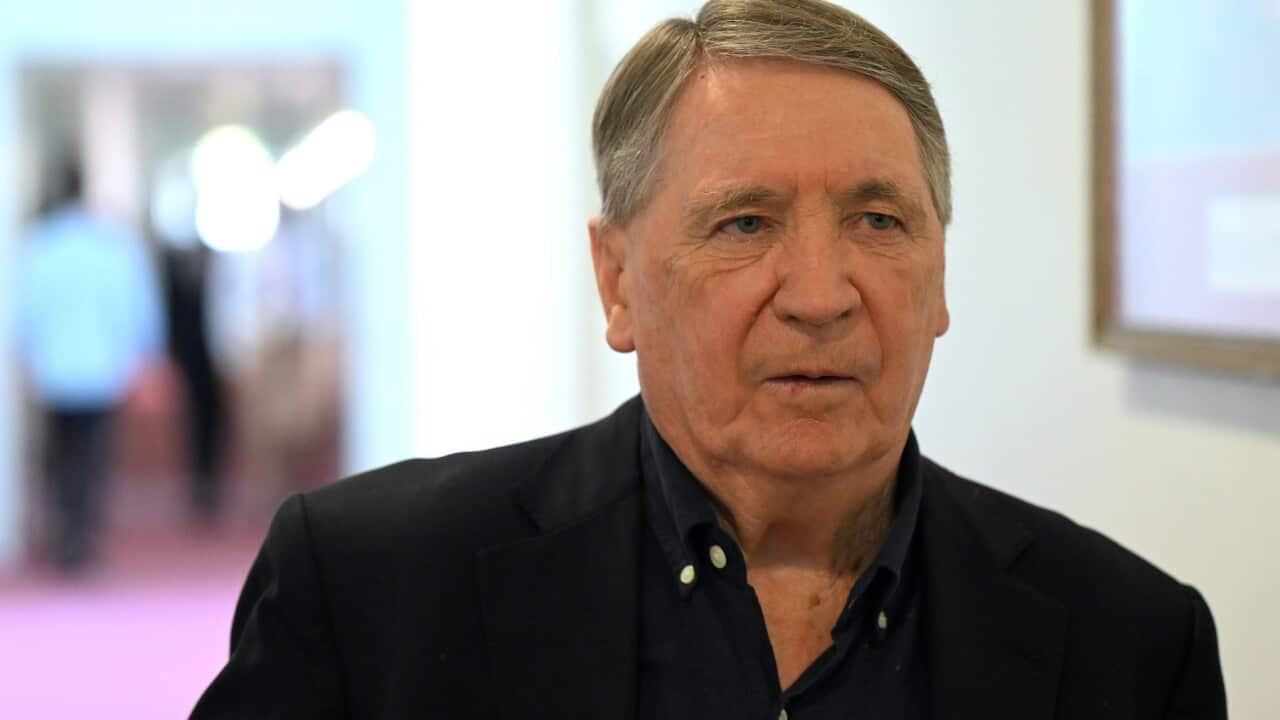
The former head of Australia’s domestic intelligence service, Dennis Richardson, has launched a scathing attack on the media for its failure to report widely on antisemitic incidents in the wake of the October 7 Hamas attacks on Israel.
Richardson, who previously led the Australian Security Intelligence Organisation (ASIO), said that the media’s decision not to cover antisemitic preaching was “well-intentioned” but ultimately misguided.
He warned that pretending the issue does not exist plays into the hands of extremist groups and Neo-Nazis, and that a more forceful and consistent response to antisemitism is needed.
The October 7 Hamas attacks on Israel resulted in the deaths of over 1,200 people and the taking of more than 250 hostages. The subsequent military campaign by Israel has killed over 73,000 people, according to Palestinian health authorities.
In the aftermath of the attacks, there were several incidents of antisemitic violence and preaching in Australia, including the killing of 15 people at a Hanukkah event at Bondi Beach in December last year.
Richardson said that the media’s failure to report on these incidents was partly due to a “misguided concern” that it might inflame social tensions, rather than putting the spotlight on the conduct that deserved to be highlighted and condemned.
Richardson highlighted the case of an Islamic preacher who made comments in November 2023 that were not widely reported by the media until 2025, when a federal court judge found them to be “fundamentally racist and antisemitic” and “devastatingly offensive and insulting”.
He said that the sources of antisemitism need to be addressed in a mature way, including open discussion about extremist Islamists, without Australian Muslims as a whole feeling targeted.
Richardson also emphasized the importance of mainstream Muslim leaders being at the centre of any such discussion, and warned that pretending the issue is not there simply leads to conspiracy theories and plays into the hands of extremists.
Security analysts say that the issue of antisemitism is a complex one, and that it requires a nuanced and multifaceted approach to address.
They warn that the failure to report on antisemitic incidents can have serious consequences, including the emboldening of extremist groups and the erosion of social cohesion.
Law enforcement insiders also note that the lack of coverage can make it more difficult to track and prevent antisemitic violence, and that a more proactive approach is needed to tackle the issue.
Industry observers believe that the media has a critical role to play in shaping the national conversation around antisemitism, and that it must be more proactive in reporting on incidents and holding those responsible to account.
Analysis: What This Means for Australia is that the country is facing a critical test of its social cohesion and its ability to tackle extremist ideologies.
The failure to report on antisemitic incidents is not just a media issue, but a national security concern that requires a coordinated response from law enforcement, intelligence agencies, and community leaders.
The fact that some Jewish children require security to attend school and sporting events is a stain on Australia’s social cohesion, and it highlights the need for a more proactive approach to addressing antisemitism.
As Richardson noted, pretending the issue is not there simply leads to conspiracy theories and plays into the hands of extremists, and it is time for a more mature and nuanced discussion about the sources of antisemitism and how to address them.
Experts warn that the issue of antisemitism is not just a Jewish issue, but a national issue that requires a collective response.
They say that the media, law enforcement, and community leaders must work together to address the root causes of antisemitism, and to create a more inclusive and tolerant society.
This includes providing more support for Jewish communities, improving education and awareness about antisemitism, and promoting greater understanding and empathy between different cultural and religious groups.
By working together, Australia can build a more cohesive and resilient society, and one that is better equipped to tackle the challenges of extremism and hatred.
In the context of national security, the issue of antisemitism is a critical one, and it requires a comprehensive and coordinated response. This includes improving intelligence gathering and sharing, enhancing law enforcement capabilities, and promoting greater community engagement and outreach.
It also requires a more nuanced and sophisticated approach to addressing the root causes of antisemitism, including poverty, unemployment, and social exclusion. By addressing these underlying issues, Australia can reduce the risk of antisemitic violence and promote a more inclusive and tolerant society.
As Australian Bureau of Statistics data shows, the issue of antisemitism is a complex one, and it requires a multifaceted approach to address. By working together, Australia can build a brighter and more secure future for all its citizens.