

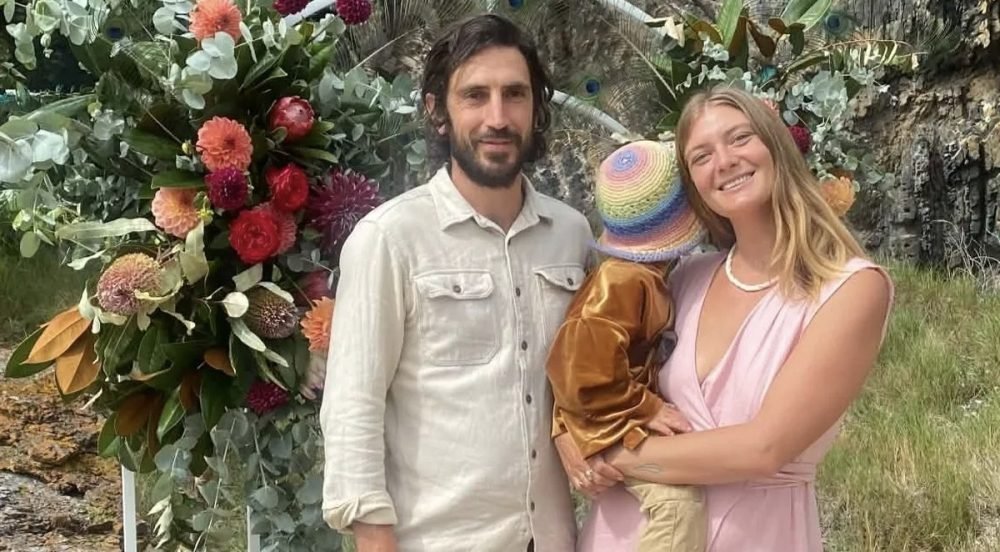
Australian Hiker’s Tragic Death in Nepal Floods: A Devastating Blow to Family, Students and Community
- Michael Keats, a beloved high school teacher from Mollymook, NSW, has been killed in flash flooding in Nepal while on a trek to Mount Kailash.
- His partner, Emily Boyd, has launched a fundraiser to support his sisters’ travel to India for a yoga and spiritual ritual in his honour, raising over $36,000.
- At least 43 Australians remain missing in Nepal, with Nepalese authorities confirming 919 deaths and 4,793 people missing on both sides of the Nepal-Tibet border.
- The Royal Australian Air Force has deployed a C-17A Globemaster III to Nepal with emergency humanitarian supplies, disaster relief equipment and personnel.
Michael Keats’ death in the Nepal floods has sent shockwaves through his community, with tributes pouring in from his students, colleagues, and loved ones.
The 45-year-old high school teacher from Mollymook on the New South Wales South Coast was remembered as a valued member of his school community, and his loss will be deeply felt by all who knew him.
Keats was returning from a trek to Mount Kailash in Tibet when flash flooding hit the region last Wednesday. His partner, Emily Boyd, announced his death online on Monday evening, describing him as an ‘incredibly important part’ of her family.
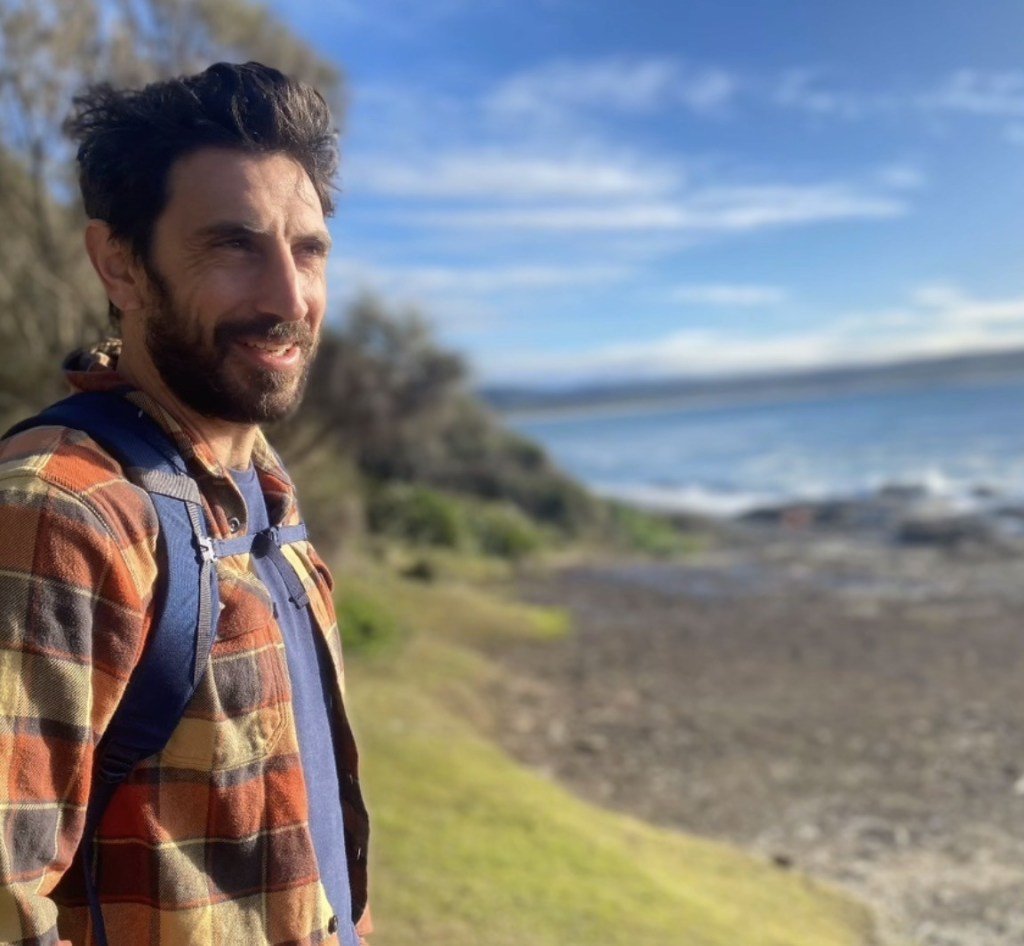
The couple’s young son has been left without a father figure, and Boyd has spoken of the immense grief and shock they are experiencing.
Keats’ school, Moruya High School, has paid tribute to him, with relieving principal Glenn Grimmond saying he was a valued member of the school community.
‘Michael was a support teacher who made a real difference in the lives of our students, and his loss will be deeply felt by our students, staff and families,’ Grimmond said.
The circumstances of Keats’ death are a stark reminder of the risks and uncertainties of travel in remote and unpredictable regions. The Nepal floods have claimed the lives of at least 919 people, with many more still missing.
The Australian Department of Foreign Affairs and Trade has a 24-hour emergency hotline for those affected by the crisis.
As the search for survivors continues, Nepalese authorities have warned that the remains of deceased foreigners could take time to be repatriated. The Nepal Police have detailed a nine-step process that remains must undergo before being released to loved ones.
Analysis: What This Means for Australia
The death of Michael Keats in the Nepal floods is a devastating reminder of the risks and uncertainties of international travel.
As the Australian government continues to work with Nepalese authorities to locate and support missing Australians, there are concerns about the impact of this crisis on the Australian community.
Security analysts say that the Nepal floods highlight the importance of robust emergency preparedness and response systems. ‘This tragedy underscores the need for Australians to be aware of the risks associated with travel to remote and unpredictable regions,’ said one analyst.
Law enforcement insiders warn that the Nepal floods may also have implications for Australian border control and disaster response. ‘The Australian government must review its emergency response systems to ensure that they are equipped to handle crises of this scale,’ said an insider.
Industry observers believe that the Nepal floods may also have economic and social consequences for Australia.
‘The tourism industry is likely to be affected, as Australians may be deterred from traveling to Nepal and other high-risk regions,’ said one observer.
As the Australian community comes to terms with the loss of Michael Keats, there are calls for greater awareness and support for those affected by the Nepal floods.
The Australian government must work to ensure that those affected receive the support they need, and that measures are in place to prevent such tragedies from occurring in the future.