
Red Alert: Sydney On High Alert As Deadly Red Imported Fire Ants Invade City, Spreading Fear And Uncertainty Among Residents
- A single nest of red imported fire ants has been discovered at the Enfield Intermodal Logistics Centre in Sydney’s inner west, sparking fears of a widespread infestation
- Authorities warn that the ants have likely spread beyond the site, with a 93 per cent chance of them being within a 500-metre radius and a 23 per cent chance of them being within a 2-kilometre radius
- The ants’ painful sting can cause swelling, redness, and itchy blisters, and can even lead to hospitalisation and death in severe cases, with children being particularly vulnerable
- Genetic testing has confirmed that the fire ants are not linked to the Queensland outbreak, but rather originated from overseas via a container, highlighting the need for increased biosecurity measures
The discovery of a red imported fire ant nest in Sydney’s inner west has sent shockwaves throughout the community, with authorities scrambling to contain the spread of the deadly insects.
The nest was found at the Enfield Intermodal Logistics Centre, a key freight industry logistics and warehousing facility, on September 25.
While no other nests have been discovered, authorities are warning that it is likely the ants have spread beyond the site, with a 93 per cent chance of them being within a 500-metre radius and a 23 per cent chance of them being within a 2-kilometre radius.
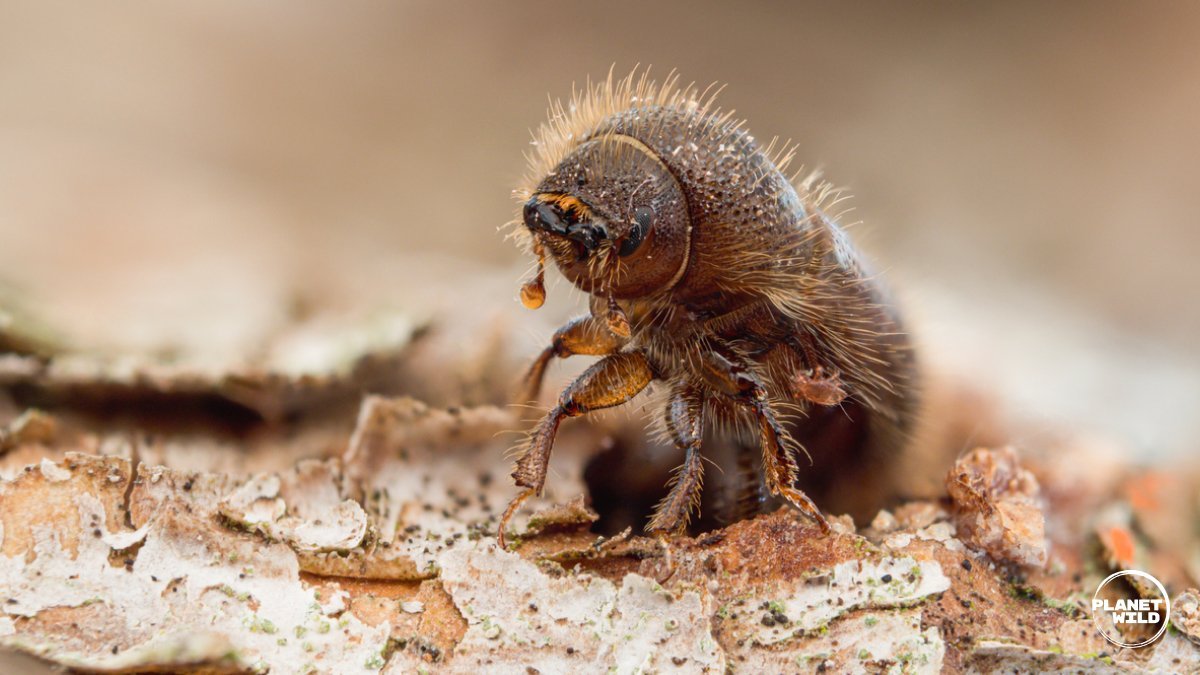
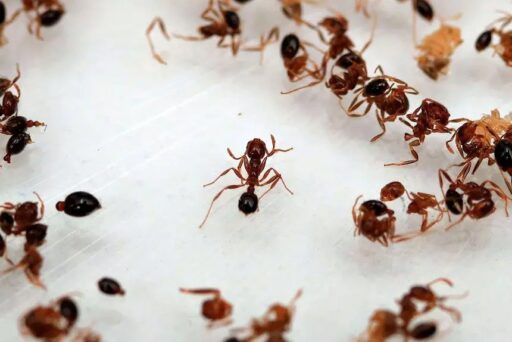
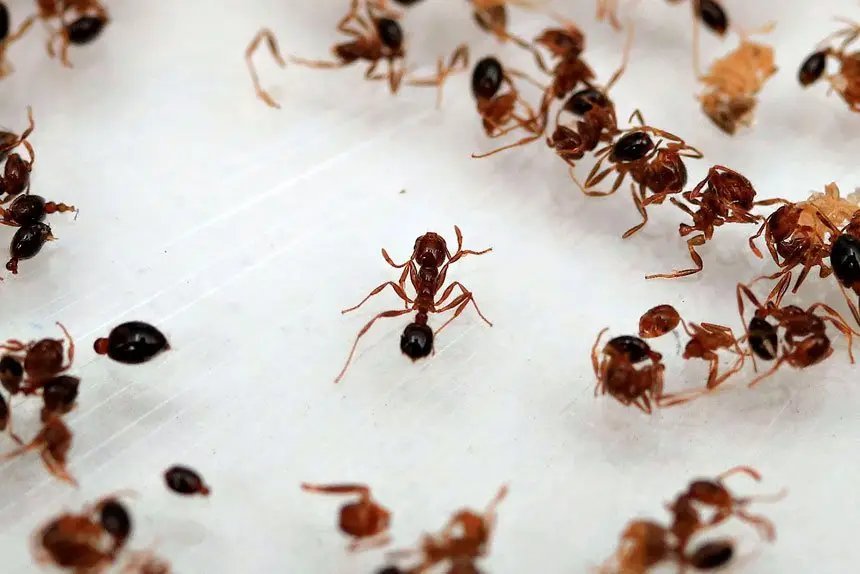
The red imported fire ants are considered one of the world’s most invasive species, and their sting can cause a painful, fire-like burning sensation. The ants are 2-6 millimetres long, dark red-brown in colour, and live in nests in the ground.
Their sting can lead to swelling, redness, and itchy blisters, and can even cause hospitalisation and death in severe cases. Children are particularly vulnerable to the ants’ sting, and authorities are warning parents to be vigilant.
According to Chief Invasive Species Officer Scott Charlton, the ants’ bites can lead to children being hospitalised, and people overseas die from the bites each year.
The discovery of the fire ants in Sydney has raised questions about the effectiveness of the city’s biosecurity measures. The ants are believed to have originated from overseas via a container, highlighting the need for increased scrutiny of international cargo.
Minister for Agriculture Tara Moriarty has acknowledged that confirmation from the federal government took longer than it should have, and that the container carrying the ants had probably travelled through Port Botany before reaching the site.
The government has launched an awareness campaign for nearby residents, and is working with local businesses to raise awareness about the insects and implement control measures.
As the situation continues to unfold, authorities are urging the community to be part of the solution. A community information drop-in centre will be opened at Chullora Marketplace in Greenacre to help people identify and deal with the ants.
The government will also implement a control order within coming weeks to limit the movement of fire ant carrier materials.
According to Invasive Species Council CEO Jack Gough, the discovery is evidence that the biosecurity measures put in place by the government are working, and he is confident that authorities are on top of it.
However, he also warned that the greatest threat of fire ants spreading in Australia is losing control of the outbreak in south-east Queensland, which has been ongoing for 25 years.
Analysis: What This Means for Australia
The discovery of red imported fire ants in Sydney has significant implications for national security, law enforcement, and community safety. The ants’ ability to spread quickly and easily, coupled with their painful sting, makes them a serious threat to public health.
The fact that the ants originated from overseas via a container highlights the need for increased biosecurity measures, particularly at ports and border control points.
Security analysts say that the incident highlights the importance of vigilance and cooperation between government agencies, businesses, and the community in preventing the spread of invasive species.
Law enforcement insiders warn that the discovery of the fire ants is a wake-up call for Australia’s biosecurity measures, and that more needs to be done to prevent the introduction and spread of invasive species.
Industry observers believe that the discovery of the fire ants in Sydney will have significant economic and social consequences. The ants’ ability to spread quickly and easily could lead to widespread infestations, causing significant damage to crops, livestock, and infrastructure.
The cost of containment and eradication efforts could be substantial, and could have a significant impact on local businesses and communities.
Furthermore, the discovery of the fire ants has raised concerns about the potential for other invasive species to enter the country, highlighting the need for increased investment in biosecurity measures and research into the prevention and control of invasive species.
As the situation continues to unfold, it is clear that the discovery of red imported fire ants in Sydney is a serious issue that requires a coordinated and effective response.
The government, businesses, and the community must work together to prevent the spread of the ants and to implement control measures to protect public health and safety.
By increasing awareness and education, implementing effective biosecurity measures, and supporting research into the prevention and control of invasive species, Australia can reduce the risk of invasive species and protect its environment, economy, and communities.
For more information on the red imported fire ant outbreak, readers can visit the NSW Government website or contact the Australian Bureau of Statistics for more information on biosecurity measures.
Additionally, readers can visit the Invasive Species Council website for more information on invasive species and their impact on the environment and communities.