

Australia And New Zealand May Follow Canada In Groundbreaking Bid To Become ‘Associate Members’ Of The European Union, Sparking Fears Of A New Global Power Bloc
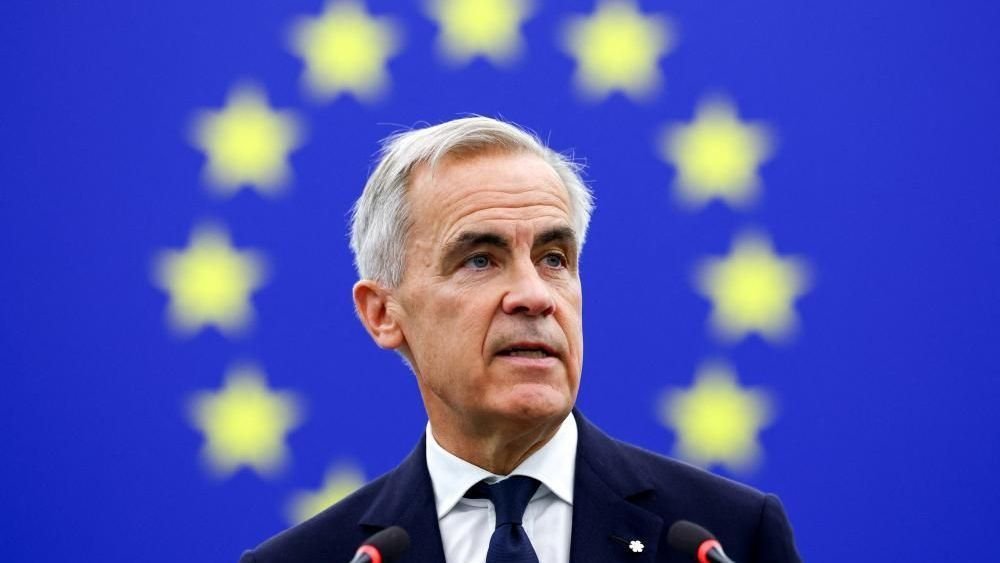
- Canadian Prime Minister Mark Carney has welcomed the prospect of his country becoming the first “associate member” of the European Union, in a move that could have significant implications for Australia and New Zealand.
- The proposal, floated by European Commission President Ursula von der Leyen, could see Canada, Australia, and New Zealand gain closer regulatory alignment, access to parts of the single market, and participation in EU programs, without full membership.
- The move has sparked a strong reaction from US President Donald Trump, who has derided the proposal as “laughable” and threatened to impose tariffs on Europe if it proceeds, raising concerns about the potential for a new global power bloc.
- Australia and New Zealand, which already have trade deals with the EU, could be next in line to explore a similar path to Canada, according to European Parliament President Roberta Metsola, who believes that deepening relationships with like-minded countries is crucial in uncertain times.
The idea of associate membership is still in its infancy, and would require the approval of all 27 EU member states to proceed, but it has the potential to significantly reshape the global landscape, with far-reaching implications for trade, security, and diplomacy.
As Canada, Australia, and New Zealand consider their relationships with the EU, they must navigate the complex web of global alliances and rivalries, all while balancing their own national interests and sovereignty.
At the heart of the proposal is the desire for closer cooperation and collective resilience in the face of rising global challenges, from trade tensions to climate change, and from cybersecurity threats to the assertive rise of China.

By seeking to deepen ties with the EU, Canada, Australia, and New Zealand are aiming to strengthen their prosperity, security, and influence, while also promoting democratic values and the rule of law.
However, the path ahead will be fraught with challenges, from negotiating the terms of associate membership to addressing the concerns of other global powers, including the United States.
The European Commission’s proposal has sparked a lively debate about the future of global governance and the role of the EU in shaping the international agenda.
As the EU seeks to assert its influence and promote its values, it must confront the reality of a rapidly changing world, where emerging powers and new alliances are redefining the rules of the game.
In this context, the idea of associate membership offers a potential solution, allowing like-minded countries to cooperate more closely and address common challenges, while also respecting their sovereignty and independence.
For Australia, the prospect of associate membership raises important questions about its relationship with the EU and its place in the global order.
As a country with strong trade ties to the EU and a commitment to democratic values, Australia may see significant benefits in deepening its cooperation with the EU, from enhanced market access to improved security cooperation.
However, it must also consider the potential risks and challenges, including the impact on its relationships with other countries, such as the United States and China, and the potential for increased regulatory burdens.
As the debate about associate membership continues to unfold, it is clear that the stakes are high, and the implications are far-reaching.
The EU’s proposal has the potential to reshape the global landscape, promoting closer cooperation and collective resilience among like-minded countries, while also addressing the challenges of a rapidly changing world.
As Australia, New Zealand, and Canada consider their relationships with the EU, they must navigate the complex web of global alliances and rivalries, all while balancing their own national interests and sovereignty.
Analysis: What This Means for Australia is that the country must carefully consider its options and weigh the potential benefits and risks of associate membership.
With its strong trade ties to the EU and its commitment to democratic values, Australia may see significant advantages in deepening its cooperation with the EU, from enhanced market access to improved security cooperation.
However, it must also consider the potential implications for its relationships with other countries, including the United States and China, and the potential for increased regulatory burdens.
As the EU’s proposal continues to evolve, Australia must remain vigilant and engaged, ensuring that its national interests are protected and its sovereignty is respected.
Security analysts say that the proposal for associate membership has significant implications for Australia’s national security, as it could lead to closer cooperation with the EU on issues such as counter-terrorism, cybersecurity, and defence.
By deepening its ties with the EU, Australia may be able to enhance its security capabilities and address common challenges, while also promoting democratic values and the rule of law.
However, it must also consider the potential risks and challenges, including the impact on its relationships with other countries and the potential for increased regulatory burdens.
Law enforcement insiders warn that the proposal for associate membership could also have significant implications for Australia’s law enforcement agencies, as it could lead to increased cooperation with EU agencies on issues such as border security, organized crime, and money laundering.
By working more closely with the EU, Australia may be able to enhance its law enforcement capabilities and address common challenges, while also promoting democratic values and the rule of law.
However, it must also consider the potential risks and challenges, including the impact on its relationships with other countries and the potential for increased regulatory burdens.
Industry observers believe that the proposal for associate membership could have significant implications for Australia’s economy, as it could lead to increased trade and investment with the EU.
By deepening its ties with the EU, Australia may be able to enhance its economic competitiveness and address common challenges, while also promoting democratic values and the rule of law.
However, it must also consider the potential risks and challenges, including the impact on its relationships with other countries and the potential for increased regulatory burdens.
As the EU’s proposal continues to evolve, Australia must remain vigilant and engaged, ensuring that its national interests are protected and its sovereignty is respected.
As the debate about associate membership continues to unfold, it is clear that the stakes are high, and the implications are far-reaching.
The EU’s proposal has the potential to reshape the global landscape, promoting closer cooperation and collective resilience among like-minded countries, while also addressing the challenges of a rapidly changing world.
As Australia, New Zealand, and Canada consider their relationships with the EU, they must navigate the complex web of global alliances and rivalries, all while balancing their own national interests and sovereignty.
By working together and promoting democratic values and the rule of law, these countries can enhance their prosperity, security, and influence, while also shaping the future of global governance and the international agenda.
For more information on this topic, please visit our website and search for European Union or Australian Government Department of Foreign Affairs and Trade.