
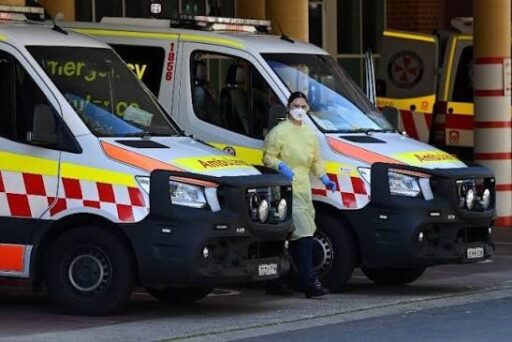
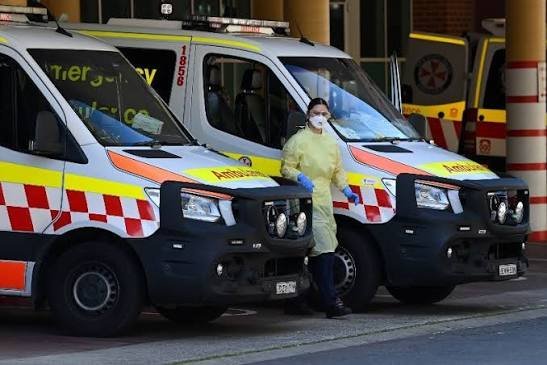
Flu Season Chaos: Albury Wodonga Health On Brink Of Collapse As Doctors Told To Send Patients Home Amid Overwhelming Demand
- A regional health service on the New South Wales-Victoria border is struggling to cope with a massive surge in flu cases, leaving doctors with no choice but to consider sending patients home earlier to keep up with demand.
- The crisis has sparked concerns over patient safety, with advocacy groups warning that the health service is facing a persistent bed deficit that is putting lives at risk.
- The flu season has seen a 400 per cent increase in cases since the end of July, with the Department of Health and Human Services urging people to get vaccinated as soon as possible.
- The situation has raised questions over the region’s healthcare infrastructure, including a proposed $558 million redevelopment of Albury’s hospital, which has been criticised for not meeting the region’s future needs.
The current flu season has brought Albury Wodonga Health to its knees, with the regional health service facing overwhelming demand that is showing no signs of letting up.
In a desperate bid to keep up, doctors have been advised to consider discharging patients earlier and without physical consultant review, a move that has sparked concerns over patient safety.
The health service’s chief medical officer, Simon Craig, warned doctors in an email that the service was facing huge pressure, with demand expected to continue for days.
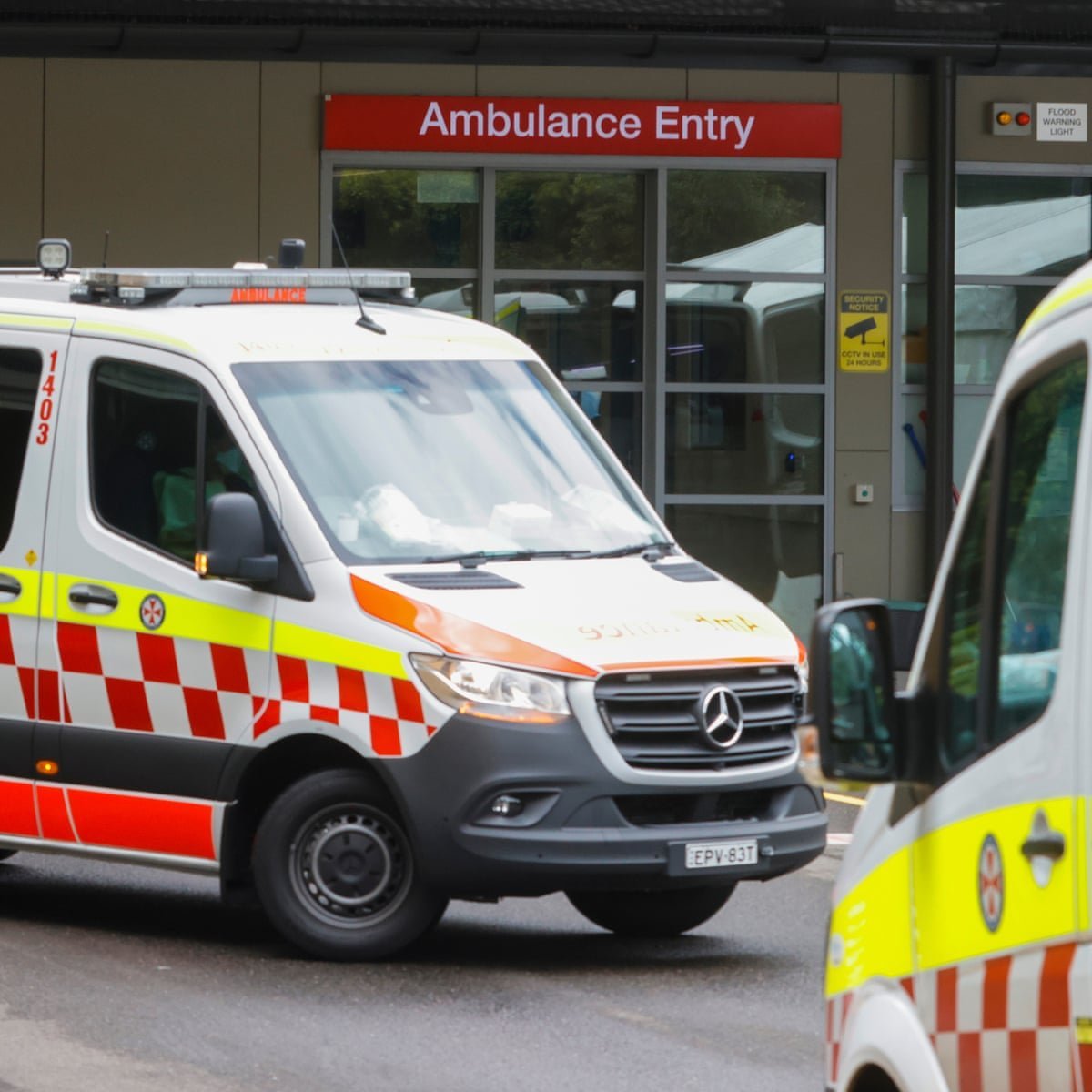
At the heart of the crisis is a persistent bed deficit, with advocacy group Better Border Health reporting a 61-bed shortage at the health service.
The group’s spokesperson, Stan Stavros, warned that the situation was not just about getting through a difficult few days, but rather a systemic problem that needed to be addressed.
“With daily bed shortages frequently reported at 40 to 70, we are starting each day behind,” he said. “It should be the other way around; a hospital should have spare capacity to respond to surges in demand, not a persistent deficit.”
The flu season has seen a significant spike in cases, with the Department of Health and Human Services reporting a 400 per cent increase since the end of July.
Victoria’s chief health officer, Caroline McElnay, said that while seasonal spikes of flu were expected each year, the current surge was unusual in that it was occurring later in the season.
She urged people to get vaccinated, saying it was not too late to do so. The situation is not unique to Albury Wodonga Health, with similar scenarios playing out across New South Wales and New Zealand.
As the health service struggles to cope with the demand, concerns are being raised over the region’s healthcare infrastructure. A proposed $558 million redevelopment of Albury’s hospital has been criticised for not meeting the region’s future needs.
The project is currently underway, but advocacy groups are warning that it may not be enough to address the systemic problems facing the health service.
With the flu season showing no signs of letting up, the situation is likely to get worse before it gets better, leaving patients and healthcare workers to bear the brunt of the crisis.
Analysis: What This Means for Australia is a stark reminder of the need for adequate healthcare infrastructure.
The current crisis facing Albury Wodonga Health is not just a local issue, but a national concern that highlights the need for a comprehensive approach to healthcare.
Security analysts say that the situation is a prime example of how a lack of investment in healthcare can have serious consequences for public safety.
Law enforcement insiders warn that the crisis is not just a health issue, but also a law and order concern, as desperate patients and families become frustrated with the lack of access to healthcare.
Industry observers believe that the situation is a wake-up call for the government to invest in healthcare infrastructure, particularly in regional areas.
They warn that the current crisis is not just a one-off event, but rather a symptom of a broader problem that needs to be addressed.
As the flu season continues to put pressure on the health system, it is likely that we will see more instances of hospitals being overwhelmed, leading to delays in treatment and potentially even loss of life.
The situation is a stark reminder of the need for a comprehensive approach to healthcare, one that prioritises patient safety and access to quality care.
The economic consequences of the crisis should not be underestimated.
With the health service facing significant pressure, it is likely that we will see an increase in healthcare costs, as well as a potential decline in productivity.
The social consequences are also significant, with patients and families facing significant stress and anxiety as they navigate the healthcare system.
As the situation continues to unfold, it is likely that we will see a growing call for action from the government to address the crisis and invest in healthcare infrastructure.
For now, the people of Albury Wodonga can only hope that the situation improves soon, and that they will have access to the quality care they need.
Experts say that the key to addressing the crisis is to invest in healthcare infrastructure, particularly in regional areas. This includes increasing the number of hospital beds, as well as providing more resources for healthcare workers.
It also requires a comprehensive approach to healthcare, one that prioritises patient safety and access to quality care.
By taking a proactive approach to healthcare, we can reduce the risk of similar crises in the future and ensure that patients receive the care they need.
As the situation in Albury Wodonga continues to unfold, it is a stark reminder of the need for a comprehensive approach to healthcare, one that prioritises patient safety and access to quality care.
In the meantime, patients and families can only hope that the situation improves soon. The flu season is likely to continue for several more weeks, and it is likely that we will see more instances of hospitals being overwhelmed.
However, by taking a proactive approach to healthcare, we can reduce the risk of similar crises in the future and ensure that patients receive the care they need.
As the people of Albury Wodonga navigate the healthcare system, they can only hope that the situation improves soon, and that they will have access to the quality care they need.