
Shark Attack Horror: Perth Beachgoers Left Traumatised After Fatal Great White Mauling Sparks Urgent Search and Nationwide Debate
- A 63-year-old swimmer’s brutal death at the jaws of a great white shark has sent shockwaves through the Australian community, with many demanding increased safety measures at the country’s beaches.
- The rare kill order issued in response to the attack has been called off, with authorities concluding that the chances of catching the killer shark are slim, leaving many to wonder if enough is being done to protect beachgoers.
- As the search for the shark and the victim’s remains continues, concerns are being raised about the effectiveness of current shark prevention strategies, with some calling for the return of shark nets at popular beaches.
- The incident has also sparked a nationwide debate about the balance between human safety and marine conservation, with many questioning whether the government is doing enough to mitigate the risk of shark attacks.
The search for the killer great white shark that mauled a 63-year-old swimmer to death in front of horrified beachgoers in Perth has been called off, leaving many in the community shaken and demanding answers.
Greg O’Neill, a 63-year-old man, was swimming just 15 metres offshore at Sorrento Beach with a friend when he was attacked by the shark at around 10:30 am on Friday.
The rare kill order issued in response to the attack was a drastic measure, but it has been called off after authorities concluded that the chances of catching the shark were slim.
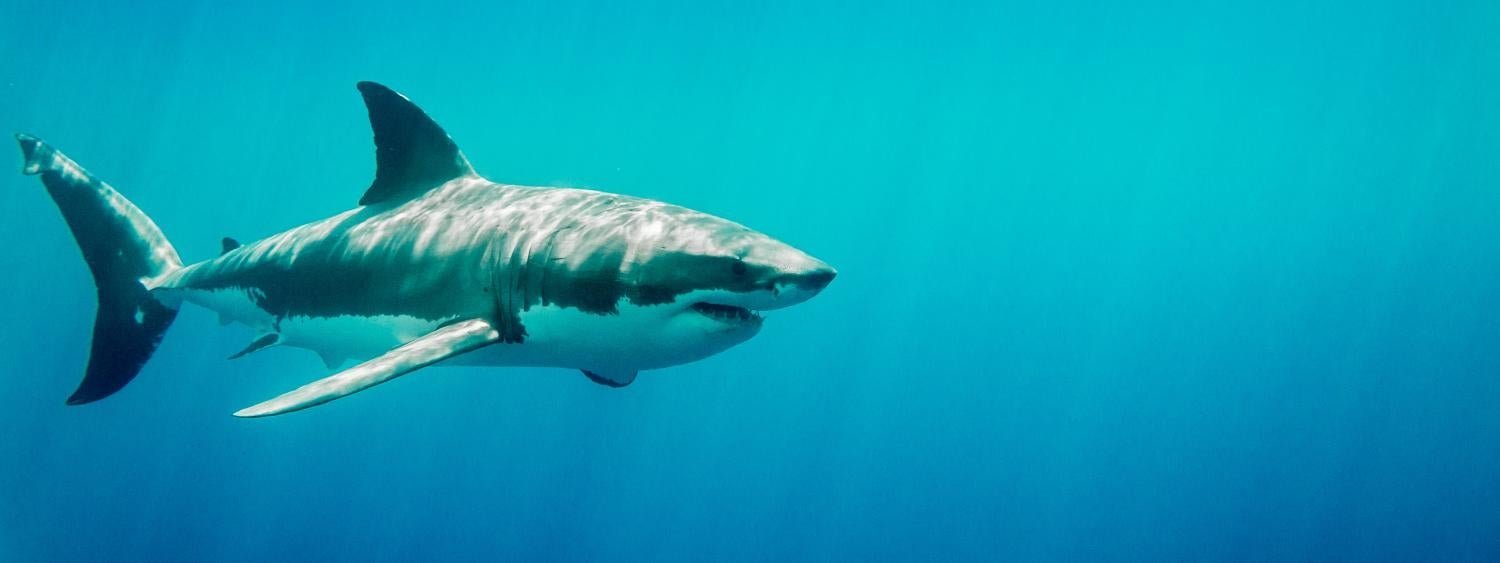
The circumstances surrounding the attack are nothing short of horrific. O’Neill was swimming in shallow water when the shark struck, and despite the best efforts of emergency services, he was unable to be saved.
The attack has sent shockwaves through the community, with many left traumatised by the incident. One witness described seeing the partial remains of the victim floating on the water’s surface, a grim reminder of the brutality of the attack.
The fact that the search for O’Neill’s remains has also been called off has added to the sense of tragedy and loss.
So, why was the search called off so quickly?
According to the Department of Primary Industries and Regional Development (DPIRD), the decision was made after a thorough search of the area failed to yield any results.
Drones, boats, and helicopters were all deployed in the search effort, but no sign of the shark was found.
The DPIRD has concluded that the chances of catching the individual shark involved in the attack are slim, and that the deployment of shark capture gear is no longer justified.
However, this decision has not been without controversy, with some arguing that more should be done to prevent similar attacks in the future.
The incident has also sparked a debate about the effectiveness of current shark prevention strategies. Some are calling for the return of shark nets at popular beaches, while others argue that this would be a step backwards for marine conservation.
The Surf Life Saving WA (SLSWA) helicopter will be conducting daily patrols of the water from Monday morning, but many are questioning whether this is enough to mitigate the risk of shark attacks.
As the community comes to terms with the tragedy, one thing is clear: something needs to be done to prevent similar incidents in the future.
Analysis: What This Means for Australia.
The shark attack in Perth is a stark reminder of the risks associated with swimming in Australian waters. While shark attacks are rare, they can have devastating consequences, as we have seen in this case.
The incident has sparked a nationwide debate about the balance between human safety and marine conservation.
Security analysts say that the government needs to take a more proactive approach to mitigating the risk of shark attacks, including increasing funding for shark research and implementing more effective prevention strategies.
Law enforcement insiders warn that the current approach is inadequate and that more needs to be done to protect beachgoers.
Expert commentary on the issue is divided, with some arguing that the return of shark nets is the only way to prevent similar attacks in the future.
Others argue that this would be a step backwards for marine conservation and that more needs to be done to understand the behaviour of sharks and how to mitigate the risk of attacks.
Industry observers believe that the government needs to take a more nuanced approach, one that balances human safety with the need to protect marine ecosystems.
As the debate continues, one thing is clear: the government needs to take a more proactive approach to addressing the issue of shark attacks in Australian waters.
The economic and social consequences of the attack should not be underestimated. The incident has already had a significant impact on the local community, with many businesses affected by the closure of the beach.
The longer-term consequences are also likely to be significant, with the attack likely to deter tourists from visiting the area.
As the community comes to terms with the tragedy, it is clear that more needs to be done to support those affected and to prevent similar incidents in the future.
The government needs to take a more proactive approach to addressing the issue of shark attacks, including increasing funding for shark research and implementing more effective prevention strategies.
By doing so, we can reduce the risk of similar tragedies occurring in the future and ensure that our beaches remain a safe and enjoyable place for everyone.
In terms of national security, the incident highlights the need for a more coordinated approach to mitigating the risk of shark attacks. This includes increasing funding for shark research, implementing more effective prevention strategies, and improving emergency response procedures.
By taking a more proactive approach, we can reduce the risk of similar tragedies occurring in the future and ensure that our beaches remain a safe and enjoyable place for everyone.
The incident also highlights the importance of marine conservation and the need to balance human safety with the need to protect marine ecosystems.
As we move forward, it is essential that we take a nuanced approach, one that prioritises both human safety and the protection of our marine environment.
As the community continues to come to terms with the tragedy, it is clear that more needs to be done to support those affected and to prevent similar incidents in the future.
The government needs to take a more proactive approach to addressing the issue of shark attacks, including increasing funding for shark research and implementing more effective prevention strategies.
By doing so, we can reduce the risk of similar tragedies occurring in the future and ensure that our beaches remain a safe and enjoyable place for everyone.
For more information on shark safety, visit the SharkSmart website or check the surf lifesaving website for updates on beach closures and shark sightings.