
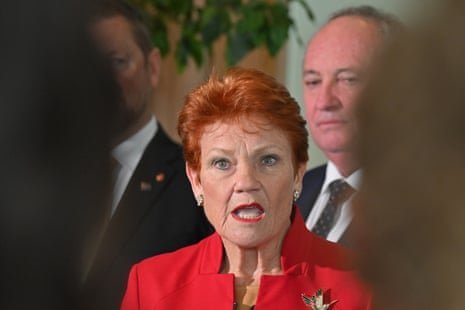
Pauline Hanson’s Sinister Threats: How the One Nation Leader’s Desperate Game of Victimhood is Undermining Australia’s Democracy
- Pauline Hanson is blaming the prime minister for putting her life in danger, but her claims are being met with skepticism and accusations of hypocrisy.
- The One Nation leader has a history of making provocative statements and using security threats to her advantage, dating back to a bizarre video message nearly 30 years ago.
- Experts warn that the increasingly menacing environment in Australian politics is deterring people from entering public life, with women facing the worst of it.
- The AFP has confirmed a 10 per cent rise in reported threats against MPs over the past year, with the trend expected to worsen.
Pauline Hanson’s latest claims of being in danger because of the prime minister’s rhetoric have sparked a fierce debate about the state of Australian politics. The One Nation leader is no stranger to controversy, and her history of using security threats to her advantage is well-documented.
But this time, her accusations have been met with skepticism and accusations of hypocrisy.
At the heart of the issue is a speech by Prime Minister Anthony Albanese at the Queensland state Labor conference, in which he described hard-right populists as “dangerous, divisive, and downright dishonest.” Hanson took umbrage with the comments, claiming they had put her in a position where she needed federal police protection.
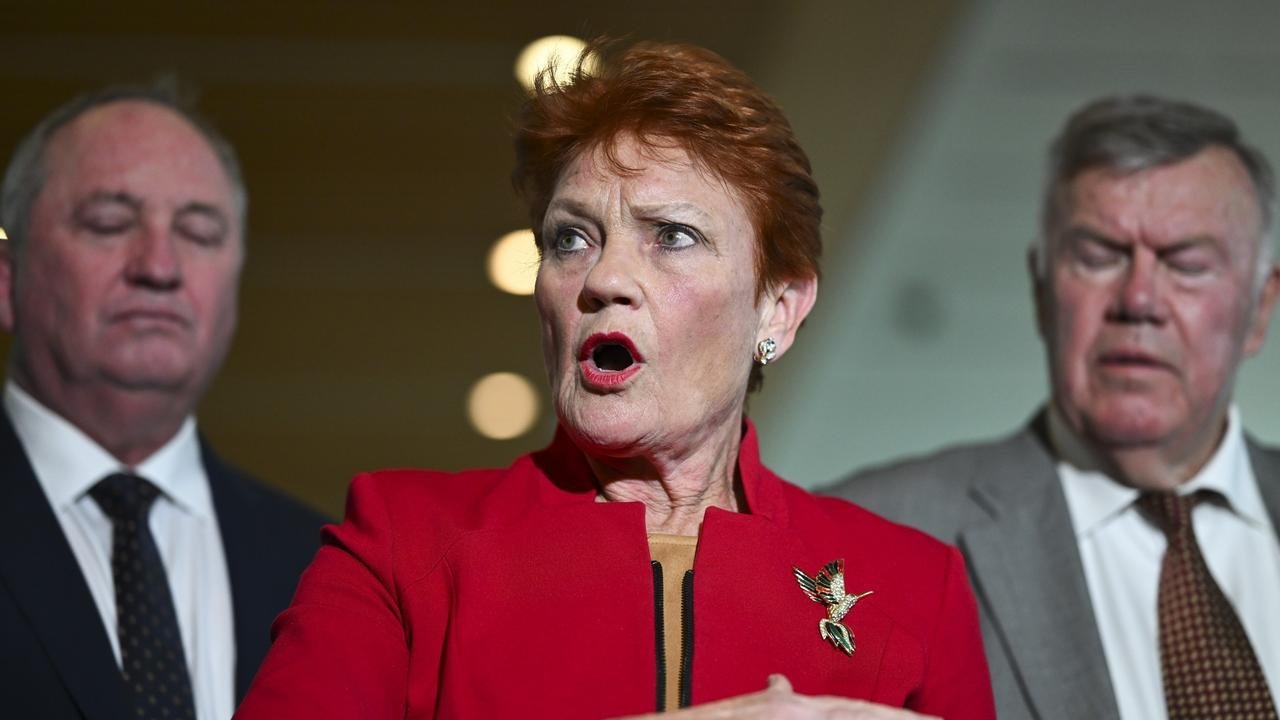
But others have pointed out that Albanese’s language was no more inflammatory than Hanson’s own regular attacks on the prime minister and other politicians.
As the debate rages on, it’s clear that the issue goes far beyond just Hanson’s claims. The AFP has confirmed a worrying rise in reported threats against MPs over the past year, with the trend expected to worsen.
Women in politics are facing the worst of it, with more sexualised threats and harassment. The risk is that this increasingly menacing environment will deter people from entering public life, undermining Australia’s democracy.
But what’s driving this toxic environment? Is it the rhetoric of politicians, or is it something deeper?
Analysis: What This Means for Australia
Security analysts say that the rise of social media has created an environment in which extreme views can flourish, and where the lines between free speech and hate speech are increasingly blurred.
The algorithms that drive these platforms are designed to keep users engaged, often by amplifying the most divisive and inflammatory content. The result is a culture of outrage and polarization, in which politicians are seen as fair game for abuse and harassment.
Law enforcement insiders warn that the AFP is struggling to keep up with the sheer volume of threats and harassment directed at MPs and other public figures.
The service is working to improve its response to these incidents, but it’s clear that more needs to be done to address the root causes of the problem.
Industry observers believe that politicians themselves need to take more responsibility for the tone of the debate. While it’s impossible to eliminate all inflammatory rhetoric, there’s a need for more civility and respect in public discourse.
This means avoiding personal attacks and focusing on policy differences, rather than trying to score cheap points.
As for Hanson, her claims of being in danger have sparked a fierce debate about her own role in the toxic environment of Australian politics. While it’s clear that she’s faced some serious security threats, her history of using these threats to her advantage has damaged her credibility.
It’s time for her to take a step back and reflect on her own behavior, rather than trying to score cheap points off the prime minister.
Ultimately, the issue goes far beyond just Hanson or the prime minister. It’s about the kind of democracy we want to have in Australia, and the kind of public discourse we’re willing to tolerate.
If we want to build a more civil and respectful society, we need to start by taking responsibility for our own words and actions.