
American Rapper Macklemore Dropped From Ed Sheeran’s Tour Over Pro-Palestinian Comments: What This Means for Free Speech and Cultural Sensitivity in the Music Industry
- Macklemore’s removal from the tour has sparked a heated debate about the limits of free speech and the role of artists in promoting social justice causes
- The incident has also highlighted the growing tensions between supporters of Israel and Palestine, with many accusing Macklemore of being antisemitic and others defending his right to express his opinions
- The decision by venue owners to ban Macklemore from performing has raised questions about the power of money and influence in shaping the music industry and suppressing dissenting voices
- The controversy has also sparked a wider conversation about the impact of cultural sensitivity and political correctness on artistic expression and the music industry as a whole
The music industry has been left reeling after American rapper Macklemore was dropped from Ed Sheeran’s tour over his pro-Palestinian comments made during a concert at New Jersey’s MetLife Stadium earlier this month.
The incident has sparked a heated debate about the limits of free speech and the role of artists in promoting social justice causes.
Macklemore, whose real name is Benjamin Haggerty, had been scheduled to perform at eight of the 10 remaining shows on Sheeran’s stadium tour, but was removed from the lineup after venue owners threatened to cancel the concerts if he remained on the bill.
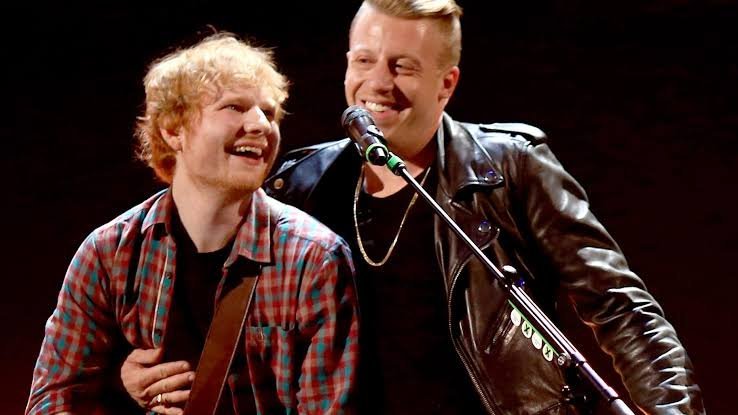
The controversy began when Macklemore took to the stage at MetLife Stadium and declared his support for the Palestinian people, saying “Free Palestine” and expressing his desire to stand up for those affected by the conflict.
The comments were met with widespread criticism from supporters of Israel, who accused Macklemore of being antisemitic and promoting hatred. However, Macklemore has denied the allegations, saying that he is simply standing up for human rights and criticizing the actions of the Israeli government.
The incident has highlighted the growing tensions between supporters of Israel and Palestine, with many accusing Macklemore of being antisemitic and others defending his right to express his opinions.
The decision by venue owners to ban Macklemore from performing has raised questions about the power of money and influence in shaping the music industry and suppressing dissenting voices.
According to reports, New England Patriots owner and billionaire Robert Kraft played a key role in rallying support among stadium owners to drop Macklemore from the tour.
Kraft has said that he is committed to fighting hate and antisemitism, and believes that Macklemore’s comments crossed a line. However, others have accused Kraft and other wealthy donors of using their influence to silence artists and stifle free speech.
The incident has also sparked a wider conversation about the impact of cultural sensitivity and political correctness on artistic expression and the music industry as a whole.
Security analysts say that the incident highlights the growing trend of artists being held accountable for their political views and the potential consequences of speaking out on sensitive issues.
The music industry has long been a platform for artists to express their opinions and promote social justice causes, but the Macklemore incident suggests that this freedom may be under threat.
Law enforcement insiders warn that the controversy could have broader implications for the music industry, with artists potentially facing backlash for expressing their views on sensitive topics.
The incident has also raised questions about the role of social media in amplifying and distorting public discourse, with many taking to Twitter and other platforms to express their opinions on the controversy.
Analysis: What This Means for Australia is that the incident has significant implications for our own music industry and the way we approach free speech and cultural sensitivity.
As a nation, we pride ourselves on our commitment to artistic expression and the freedom to speak our minds, but the Macklemore incident suggests that these values may be under threat.
The controversy has sparked a wider conversation about the impact of cultural sensitivity and political correctness on artistic expression, and has raised questions about the role of money and influence in shaping our cultural landscape.
As we navigate these complex issues, it is essential that we prioritize the values of free speech and artistic expression, while also promoting greater understanding and empathy for different perspectives and cultures.
By doing so, we can create a more vibrant and inclusive cultural landscape that reflects the diversity and complexity of our society.
Industry observers believe that the incident will have a lasting impact on the music industry, with artists potentially becoming more cautious about expressing their views on sensitive topics.
However, others argue that the controversy has highlighted the importance of artistic expression and the need for artists to speak out on social justice causes.
As the debate continues, one thing is clear: the Macklemore incident has sparked a vital conversation about the role of artists in promoting social justice and the limits of free speech in the music industry.
By examining the complex issues at play, we can gain a deeper understanding of the ways in which art and politics intersect, and the ways in which we can promote greater understanding and empathy for different perspectives and cultures.
For more information on the issue, you can visit the music industry or Amnesty International websites.