
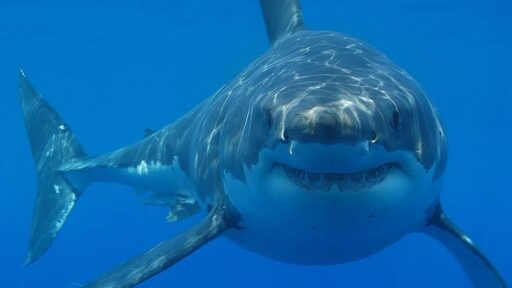
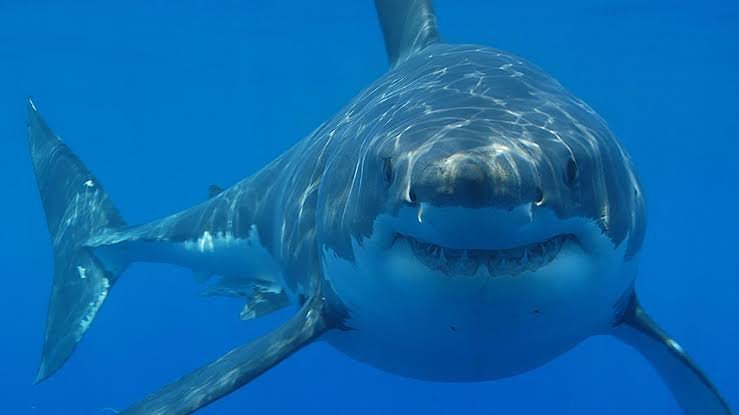
BEACH TERROR: Man Fights for Life After Savage Shark Attack in WA’s Midwest – As Authorities Scramble to Identify Killer Species
- A man in his 50s is in a serious but stable condition after a brutal shark attack at Glenfield Beach, north of Geraldton, on Monday morning.
- Local authorities have closed the beach and are working with fisheries officials to identify the species of shark responsible for the attack.
- The incident comes just weeks after two fatal shark attacks in Western Australia, sparking fears of a growing shark threat in the state’s waters.
- Experts warn that shark attacks are becoming increasingly common in WA, with the state’s coastal waters home to some of the most venomous species in the world.
The tranquil waters of Glenfield Beach turned into a scene of horror on Monday morning as a man in his 50s was savagely attacked by a shark while surfing.
The incident has sent shockwaves through the local community, with authorities scrambling to identify the species of shark responsible and warning beachgoers to exercise extreme caution.
According to eyewitnesses, the man was surfing at the beach, located approximately 430 kilometres north of Perth, when he was bitten by the shark at around 9:45 am.
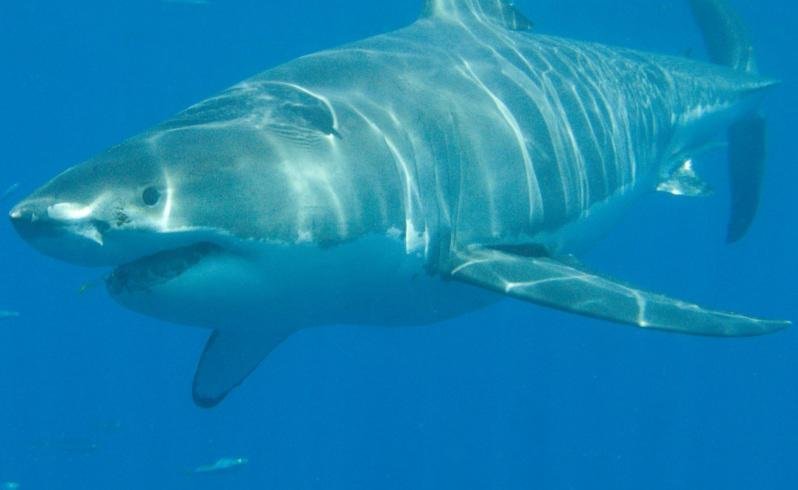
Emergency services were quickly called to the scene, and the man was rushed to Geraldton Health Campus under priority one conditions.
A spokesperson for the WA Country Health Service (WACHS) confirmed that the man was in a serious but stable condition, but the full extent of his injuries is still unknown.
Officials have removed a badly damaged surfboard from the scene, which is being tested to determine the species of shark involved.
The attack has raised concerns about the growing shark threat in Western Australia’s waters, with two fatal shark attacks already recorded in 2026.
In May, 38-year-old Perth man Steven Mattaboni was killed while spearfishing off Rottnest Island, while 35-year-old diver Daniel Turpin was killed by a suspected 4.5-metre shark near Michaelmas Island, off the coast of Albany, in early June.
Security analysts say that shark attacks are becoming increasingly common in WA, with the state’s coastal waters home to some of the most venomous species in the world.
“The ocean is a wild place, and shark attacks can happen at any time,” said one expert. “However, the recent spike in attacks in WA is a cause for concern, and authorities need to take immediate action to address the issue.”
Analysis: What This Means for Australia
The shark attack at Glenfield Beach is a stark reminder of the dangers that lurk in Australia’s coastal waters. As the country’s population continues to grow, and more people take to the water for recreational activities, the risk of shark encounters increases.
The incident highlights the need for improved shark mitigation measures, including better funding for shark research and education programs.
Law enforcement insiders warn that the attack also raises concerns about the effectiveness of current shark management strategies in WA. “While shark attacks are rare, they can have devastating consequences,” said one insider.
“Authorities need to take a proactive approach to shark management, including increasing funding for shark monitoring and response programs.”
Industry observers believe that the attack will also have economic implications for the local community, with tourism and recreational activities likely to be impacted. “The shark attack will undoubtedly affect the local economy, particularly in the short term,” said one observer.
“However, with effective management and education, the community can recover and continue to thrive.”
As the investigation into the shark attack continues, authorities are urging beachgoers to exercise extreme caution when entering the water. With the summer months approaching, the risk of shark encounters is set to increase, and the community is on high alert.