
Mel Gibson Sparks Outrage After Mocking Deaf Sign Language Interpreter: ‘A Gross Human Being’
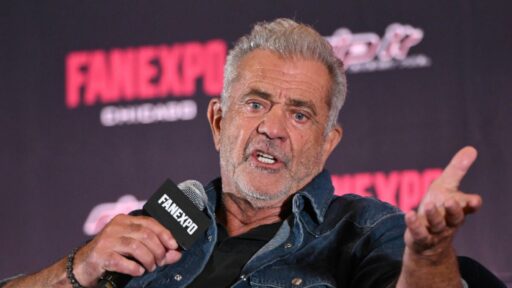
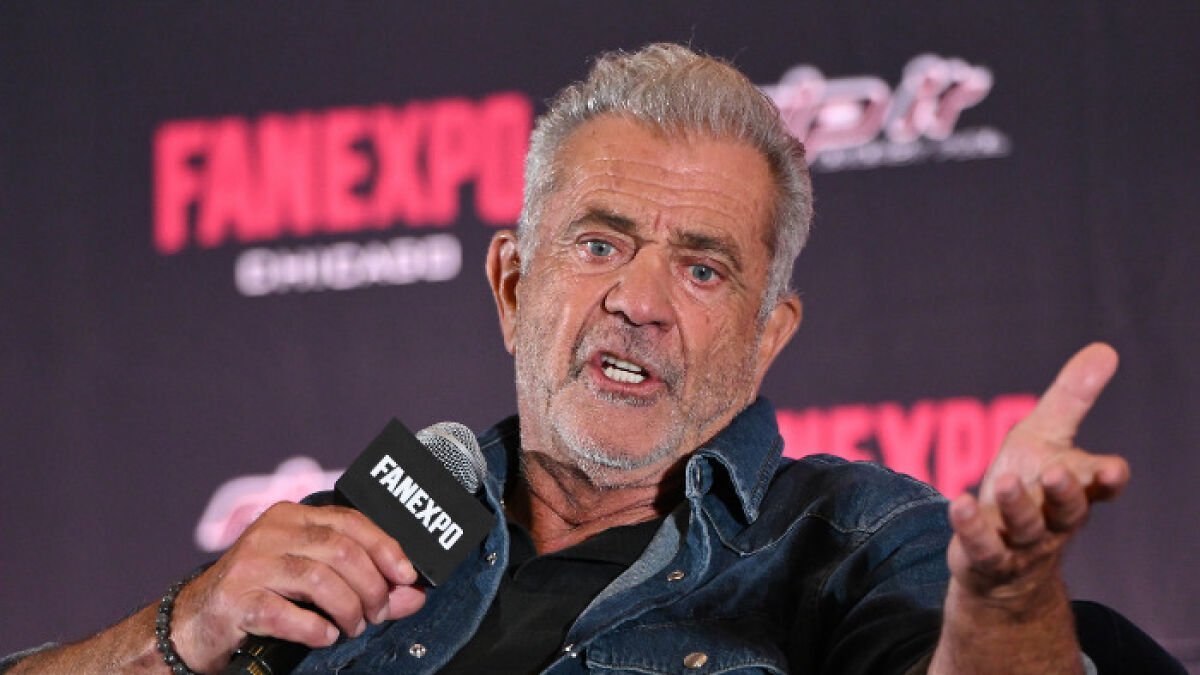
- Mel Gibson, 70, has sparked outrage after making exaggerated hand gestures behind a deaf American Sign Language interpreter at Fan Expo Canada.
- The actor’s actions have been slammed by social media users, with one calling him a ‘gross human being’ and another saying he’s ‘always disappointing’.
- Gibson has apologized for his actions, saying he was ‘thoughtless’ and ‘idiotic’, but critics are unconvinced, pointing to his history of controversies.
- The incident has raised questions about Gibson’s suitability for public appearances, with some calling for him to be banned from events like Fan Expo.
Mel Gibson’s latest controversy has left many questioning the actor’s suitability for public appearances. The 70-year-old sparked outrage after making exaggerated hand gestures behind a deaf American Sign Language interpreter at Fan Expo Canada.
The incident, which was captured on video, has been widely condemned by social media users, with many calling Gibson a ‘gross human being’ and saying he’s ‘always disappointing’.
The controversy began when Gibson walked out on stage at Fan Expo Canada, accompanied by a moderator and a sign language interpreter. As he approached the microphone, Gibson made a series of exaggerated hand gestures, apparently mocking the interpreter.
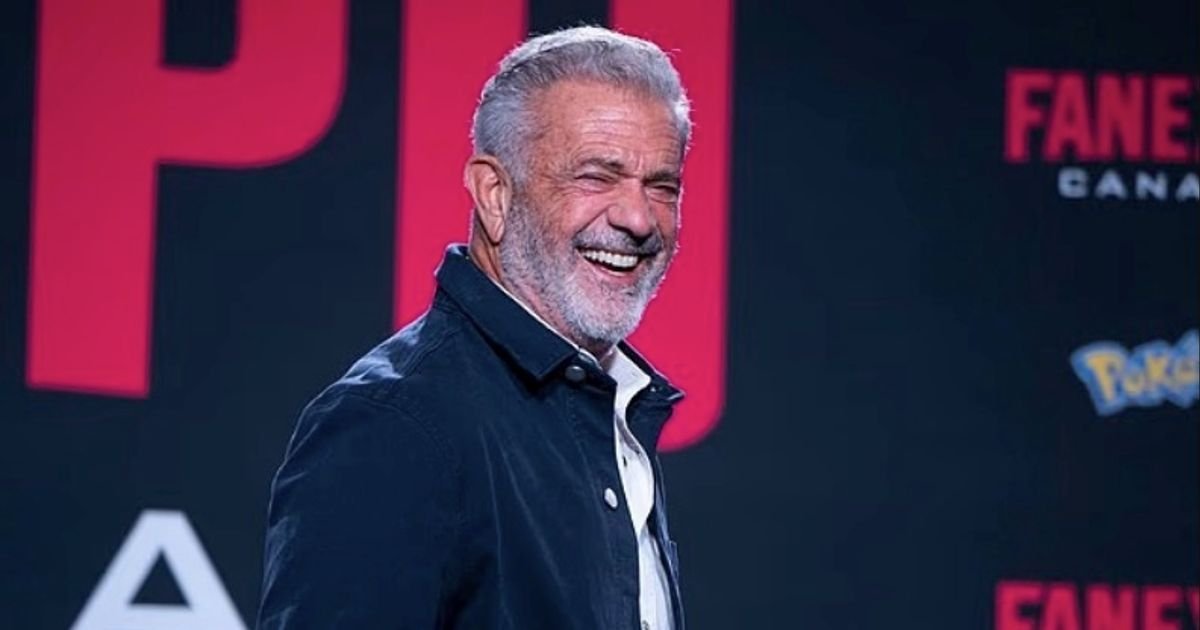
The interpreter, who was signing for the benefit of deaf audience members, seemed oblivious to Gibson’s antics. The incident was captured on video and quickly went viral on social media.
Gibson has apologized for his actions, saying in a statement that he was ‘thoughtless’ and ‘idiotic’. However, critics are unconvinced, pointing to Gibson’s history of controversies.
In 2006, Gibson was arrested for DUI and went on an anti-Semitic tirade, telling police officers that ‘F***ing Jews’ were responsible for all the wars in the world.
He later apologized for his remarks, but the incident has had a lasting impact on his reputation.
In 2010, Gibson was caught on tape using the N-word during a phone call with his then-girlfriend Oksana Grigorieva. He also told Grigorieva that if she were to be ‘raped’, it would be her fault.
Gibson pleaded no contest to battering Grigorieva in 2011. In 2015, an Australian photographer alleged that Gibson shoved and verbally abused her in Sydney.
The actor denied the allegations, but the incident has added to his reputation for being volatile and unpredictable.
Analysis: What This Means for Australia
Gibson’s latest controversy has raised questions about his suitability for public appearances in Australia. The actor has a history of controversies, and his behavior at Fan Expo Canada has sparked outrage among Australians.
With his reputation for being volatile and unpredictable, it’s unclear whether Gibson will be welcome at future events in Australia. The incident has also highlighted the importance of respecting people with disabilities, including those who use sign language.
Security analysts say that Gibson’s behavior is a concern, particularly given his history of controversies. ‘It’s not just about Mel Gibson’s behavior, it’s about the impact it has on others,’ said one analyst.
‘If he’s not able to respect people with disabilities, then maybe he’s not the right person to be appearing at public events.’
Law enforcement insiders warn that Gibson’s behavior could have serious consequences, particularly if he were to be involved in a similar incident in Australia.
‘If Mel Gibson were to be involved in a similar incident in Australia, it could have serious consequences for him and for the event organizers,’ said one insider.
‘It’s not just about the actor’s reputation, it’s about the safety and well-being of others.’
Industry observers believe that Gibson’s behavior is a symptom of a larger problem in the entertainment industry. ‘The entertainment industry needs to take a closer look at the behavior of its stars and take action when necessary,’ said one observer.
‘It’s not just about Mel Gibson, it’s about creating a culture of respect and inclusivity.’