
Regional Australia’s Vanishing Pride: The Alarming Decline Of Queer Festivals In The Bush
- Queer festivals in regional Western Australia are on the brink of collapse due to a severe shortage of volunteers, leaving LGBTQI+ communities without vital support networks
- The cancellation of Carnarvon’s Pride parade and Busselton’s long-running Pride event has sparked concerns about the erosion of diversity and inclusivity in regional areas
- Despite these setbacks, the Pilbara Pride Festival has emerged as a beacon of hope, with its dedicated volunteers and community support paving the way for a more inclusive and accepting environment
- The struggle to maintain Pride events in regional Australia has far-reaching implications for the mental health and wellbeing of LGBTQI+ individuals, who often face significant challenges in finding acceptance and support in rural areas
The news that Carnarvon’s Pride parade has been cancelled has sent shockwaves through Western Australia’s LGBTQI+ community, highlighting the precarious state of queer festivals in regional areas.
The town’s 2026 parade, which was expected to be a vibrant celebration of diversity and inclusivity, has fallen victim to a lack of volunteers, leaving the community without a vital support network.
This is not an isolated incident, with Busselton’s long-running Pride event also being cancelled, citing a shortage of resources and personnel.
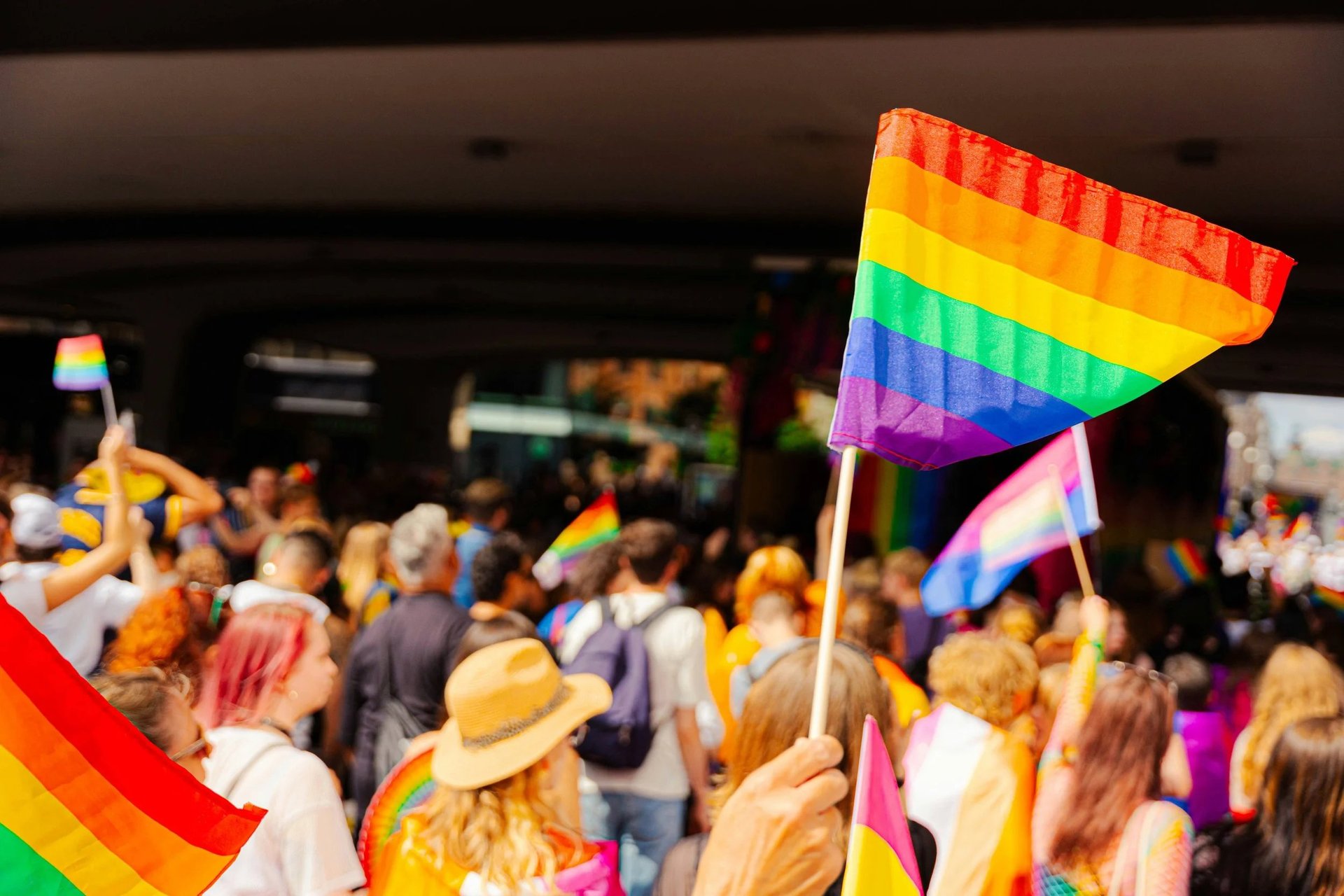
According to Carmen Reilly, chair of Queernarvon, the organisation behind the Carnarvon Pride event, the cancellation of the parade is a devastating blow to the community.
“Pride events play a crucial role in connecting people and fostering a sense of belonging,” she said.
“The loss of these events will have a significant impact on the mental health and wellbeing of LGBTQI+ individuals in regional areas, who often face significant challenges in finding acceptance and support.” Reilly also noted that there has been a shift in public perception towards trans, gender diverse, and young LGBTQI+ people, with many forming opinions based on social media posts and AI clips rather than real-life experiences.
Johnathan Trace, a trans man who left the United States to escape the rising far right, has experienced firsthand the challenges of being an LGBTQI+ individual in regional Australia.
Despite feeling safer in Australia, he has still encountered moments of hostility and intolerance, ranging from nasty comments in public bathrooms to homophobic outbursts from customers at work.
The cancellation of the Carnarvon Pride event has left him feeling disappointed and isolated, with limited opportunities to connect with others who share his experiences.
As Trace noted, “You’re surrounded by backpackers who are just here for a good time, who don’t want to talk about politics or anything that ruins their good vibes.” This lack of spaces to discuss his life experiences as a trans man has taken a significant toll on his mental health and wellbeing.
However, there are success stories in regional Western Australia, with the Pilbara Pride Festival emerging as a shining example of what can be achieved with dedication and community support.
The festival, which began as a small games night among friends, has grown to attract around 1,500 people, with events spanning across Port Hedland, Karratha, and Onslow.
Gloria Jacob, secretary of the Port Hedland Lesbian, Allies, Gays Society (PHLAGS+), attributes the festival’s success to the tireless efforts of volunteers and the support of local government and the resources sector.
“The more people engage and the more people become aware, it becomes the norm,” she said. This sense of community and acceptance has been particularly significant for young people, with high school students actively seeking out workshops and support from PHLAGS+.
Analysis: What This Means for Australia
The decline of queer festivals in regional Western Australia has significant implications for the country as a whole. The erosion of diversity and inclusivity in regional areas can have far-reaching consequences, including the marginalisation of already vulnerable communities.
Security analysts say that the lack of support networks and resources for LGBTQI+ individuals in regional areas can exacerbate existing mental health issues, leading to increased rates of depression, anxiety, and suicide.
Law enforcement insiders warn that the cancellation of Pride events can also create an environment in which hate crimes and intolerance can thrive, putting the safety and wellbeing of LGBTQI+ individuals at risk.
Furthermore, the loss of these events can have a significant impact on the local economy, with the absence of queer festivals and events leading to a decline in tourism and revenue for local businesses.
Industry observers believe that the key to reversing this trend lies in building stronger, more resilient communities that can support and sustain queer festivals and events.
This requires a concerted effort from local government, community organisations, and individuals to create an environment that is inclusive, accepting, and supportive of diversity.
By working together, it is possible to create a future where queer festivals and events can thrive, providing vital support networks and promoting a culture of acceptance and inclusivity throughout regional Australia.
As LGBTQI+ community advocates, it is essential to recognise the importance of mental health and wellbeing in these efforts, and to work towards creating a society that values and supports the dignity and human rights of all individuals, regardless of their sexual orientation or gender identity.
Experts say that the Pilbara Pride Festival’s success can be attributed to the strong sense of community and support that exists in the region. The festival’s ability to bring people together and create a sense of belonging has been instrumental in promoting a culture of acceptance and inclusivity.
As Australian Bureau of Statistics data shows, regional areas with high levels of community engagement and social cohesion tend to have lower rates of crime and social unrest.
By investing in community development and social programs, it is possible to create a more harmonious and inclusive society, where everyone can thrive and reach their full potential.
In conclusion, the decline of queer festivals in regional Western Australia is a pressing concern that requires immediate attention and action.
By working together to build stronger, more resilient communities, we can create a future where diversity and inclusivity are valued and celebrated, and where everyone can live with dignity and respect.
As we move forward, it is essential to recognise the importance of community support and social cohesion in promoting a culture of acceptance and inclusivity, and to work towards creating a society that is truly inclusive and supportive of all individuals, regardless of their background or identity.