
Massive Police Raids On Sydney’s LGBTQIA+ Nightlife District Spark Fears Of Targeted Harassment And Intimidation As Community Leaders Demand Answers
- Dozens of police officers, including a drug detection dog, stormed multiple nightclubs in Sydney’s Oxford Street area, leaving patrons feeling targeted and intimidated.
- The raids, which resulted in 28 drug detections and 12 fines, have sparked concerns about police priorities and the use of resources, with some questioning whether the LGBTQIA+ community is being unfairly targeted.
- The incident has also raised questions about the effectiveness of the police’s “intelligence-led” operation, with some arguing that the resources could have been better spent on more pressing issues, such as tackling the root causes of drug use and addiction.
- The raids are the latest in a series of incidents that have strained relations between the police and the LGBTQIA+ community, with some calling for greater accountability and transparency in the way that police operations are conducted.
The recent police raids on Sydney’s LGBTQIA+ nightlife district have sent shockwaves through the community, with many feeling that they were unfairly targeted and intimidated by the heavy-handed approach.
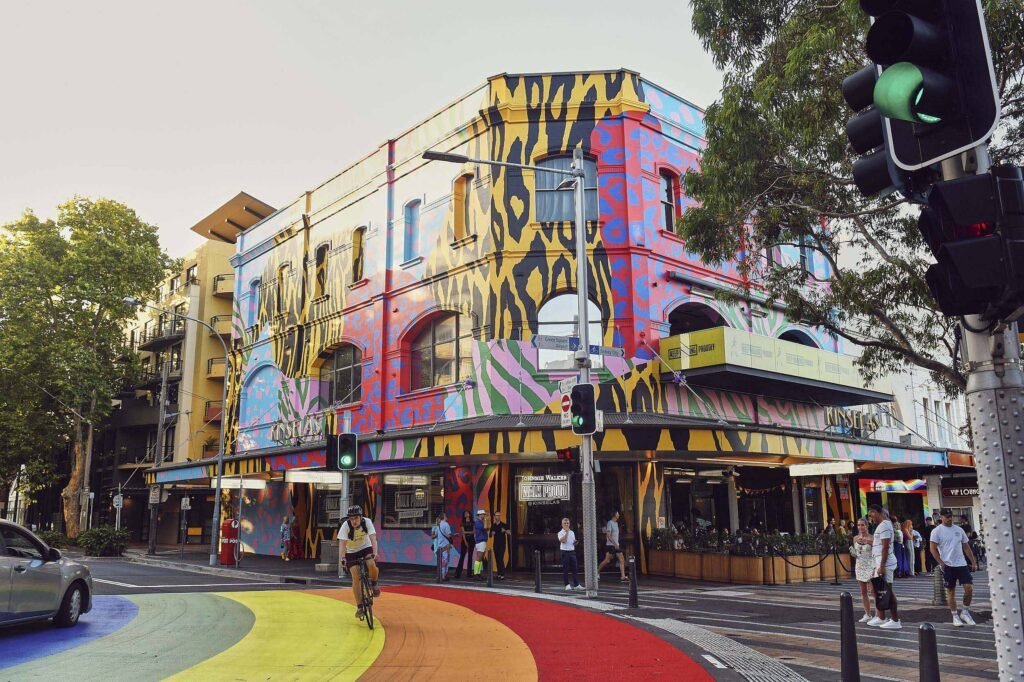
The raids, which took place on Saturday night, saw dozens of police officers, including a drug detection dog, storm multiple nightclubs in the Oxford Street area, prompting many patrons to leave in discomfort.
The incident has sparked concerns about police priorities and the use of resources, with some questioning whether the LGBTQIA+ community is being unfairly targeted.
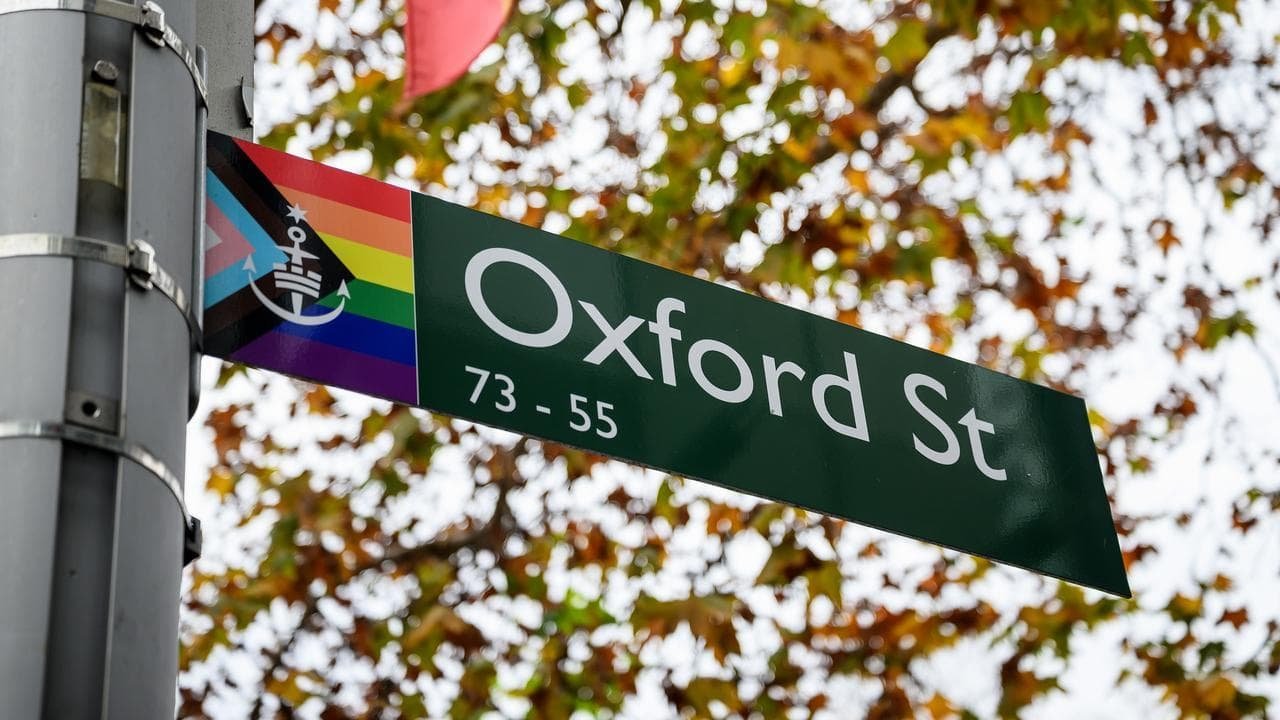
According to NSW Police, the raids were part of an “intelligence-led” operation that resulted in 28 drug detections, 12 fines, six cannabis cautions, and one move-on direction across multiple venues in the area.
However, community leaders and patrons have expressed concerns about the heavy-handed approach, with some arguing that the resources could have been better spent on more pressing issues, such as tackling the root causes of drug use and addiction.
NSW Police Deputy Commissioner Peter McKenna has defended the raids, saying that the police had to “go everywhere” to tackle the drug trade, and that the operation was not targeted at the LGBTQIA+ community.
However, many in the community remain skeptical, pointing to similar raids in June that prompted the police watchdog to order an investigation into police conduct.
The incident has also raised questions about the effectiveness of the police’s “intelligence-led” operation, with some arguing that the approach is too broad and can lead to unfair targeting of certain communities.
The use of drug detection dogs and large numbers of police officers can be intimidating, especially in a community that has historically been marginalized and persecuted.
The raids are the latest in a series of incidents that have strained relations between the police and the LGBTQIA+ community, with some calling for greater accountability and transparency in the way that police operations are conducted.
As one community leader noted, “The police need to understand that their actions have consequences, and that they need to work with the community to build trust and respect.”
The history of the LGBTQIA+ community in Sydney is marked by struggles for acceptance and equality, with the police playing a complex and often fraught role.
In the 1970s, the police were notorious for their heavy-handed approach to the community, with many patrons of gay bars and clubs facing harassment and intimidation.
While progress has been made in recent years, the recent raids have raised concerns that the police are reverting to old habits.
The community has long called for greater understanding and respect from the police, with many arguing that the police need to do more to build trust and respect.
As one patron noted, “The police need to understand that we’re not just a community, we’re a family, and we deserve to be treated with respect and dignity.”
Analysis: What This Means for Australia is that the recent police raids on Sydney’s LGBTQIA+ nightlife district have significant implications for national security, law enforcement, and community safety.
The incident highlights the need for greater accountability and transparency in the way that police operations are conducted, particularly when it comes to marginalized communities.
The use of “intelligence-led” operations can be effective in tackling crime, but it requires careful consideration and planning to avoid unfair targeting of certain groups.
As security analysts say, “The police need to strike a balance between keeping the community safe and respecting the rights and dignity of all individuals, regardless of their background or identity.” The incident also raises questions about the impact of police actions on community trust and cohesion, with law enforcement insiders warning that heavy-handed approaches can damage relationships and create more problems than they solve.
Expert commentary on the incident has highlighted the need for a more nuanced and informed approach to policing, one that takes into account the complex needs and concerns of marginalized communities.
As industry observers believe, “The police need to work with the community to build trust and respect, rather than relying on heavy-handed approaches that can damage relationships and create more problems.” The incident has also sparked calls for greater accountability and transparency in the way that police operations are conducted, with some arguing that the police need to be more open and honest about their methods and motivations.
As one community leader noted, “The police need to understand that their actions have consequences, and that they need to be held accountable for their actions.” The use of body-worn cameras and other technologies can help to increase transparency and accountability, but it requires careful consideration and planning to ensure that they are used effectively and fairly.
The economic and social consequences of the police raids are also significant, with many businesses in the area reporting a decline in trade and revenue.
The incident has also raised concerns about the impact of police actions on community cohesion and social stability, with some arguing that heavy-handed approaches can create more problems than they solve.
As Australian Bureau of Statistics data shows, the LGBTQIA+ community is already disproportionately affected by issues such as mental health and substance abuse, and the police raids are likely to exacerbate these problems.
The incident highlights the need for a more nuanced and informed approach to policing, one that takes into account the complex needs and concerns of marginalized communities and works to build trust and respect rather than relying on heavy-handed approaches.