
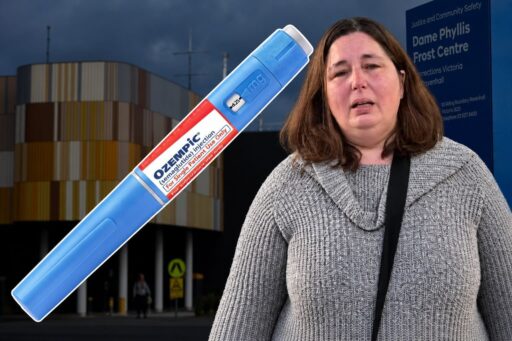
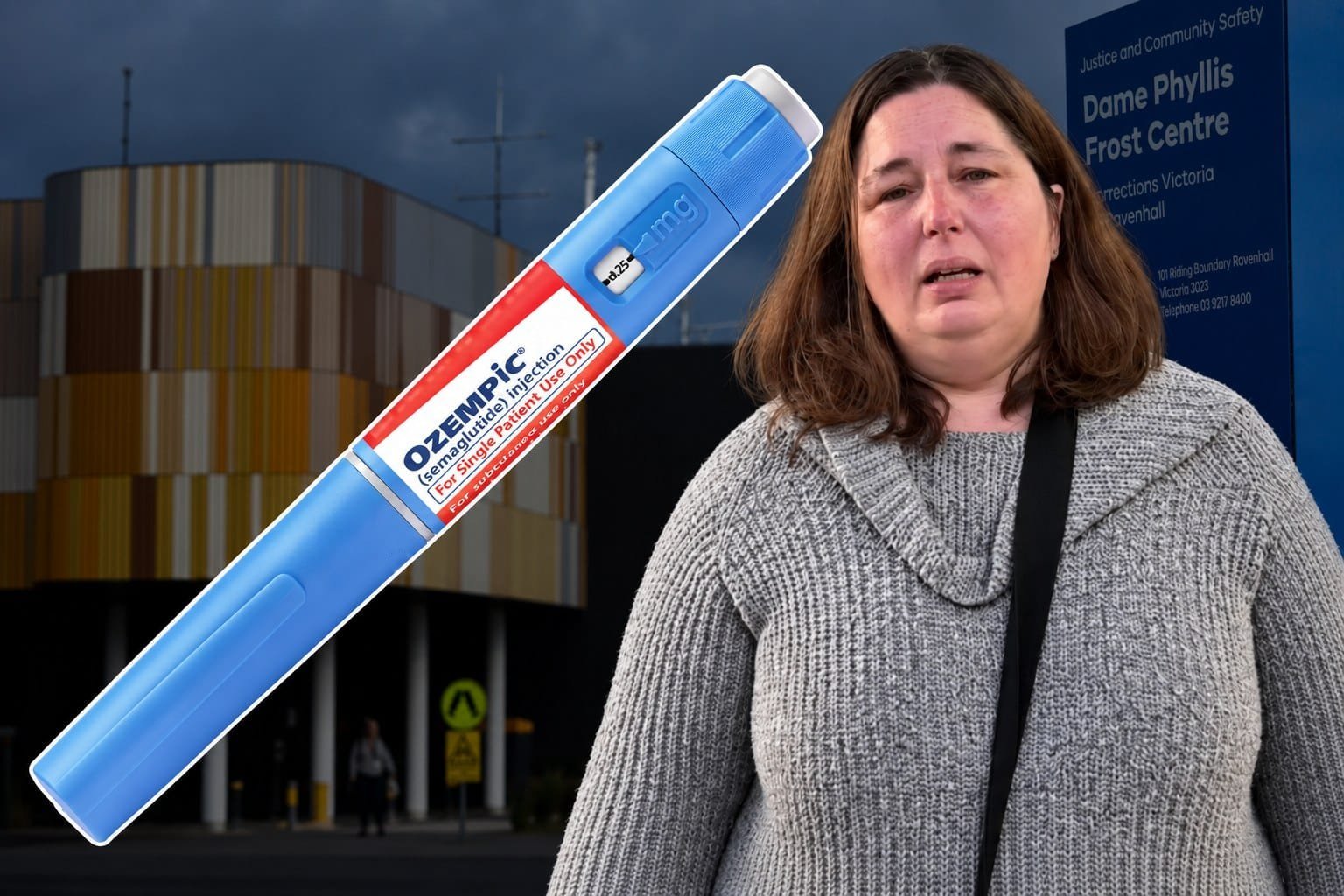
Triple Murderer’s Ozempic Prescription Sparks Fury: ‘Is This What Taxpayers Are Funding?’
- Triple murderer Erin Patterson, 51, approved for Ozempic jabs in jail despite serving life sentence
- Medication is taxpayer-funded, sparking debate about access to high-demand drug
- Patterson’s extreme confinement in solitary has led to rapid weight gain, prompting clinical need for Ozempic
- Victorian Shadow Minister for Police and Corrections slams system, saying ‘maybe we should be using prescriptions for more exercise’
Erin Patterson, the 51-year-old convicted of murdering her in-laws and her husband’s sister with a beef Wellington laced with death cap mushrooms, has been approved for Ozempic jabs in jail.
The news has sparked outrage, with many questioning whether taxpayers should be footing the bill for the high-demand medication.
Patterson is currently serving a life sentence for the 2023 murders, and is locked down in solitary confinement for 22 to 23 hours a day due to her notoriety in prison.

Authorities have deemed it necessary to protect her from other inmates.
The Department of Corrections has confirmed that the medication has been approved on a clinical needs basis, citing Patterson’s rapid weight gain due to her extreme confinement as the reason.
Ozempic, which is approved in Australia for the management of type 2 diabetes and to reduce the risk of kidney and heart problems, is also commonly used off-label as a powerful weight-loss drug.
However, its use in prisons has raised questions about the system’s priorities.
Victorian Shadow Minister for Police and Corrections Brad Batten has argued that if a prisoner is gaining excessive weight in jail, it indicates a problem within the system.
‘Maybe we should be using prescriptions for more exercise, or a government should be reviewing what they are feeding prisoners here in Victoria,’ Batten said in June.
The debate surrounding Patterson’s Ozempic prescription has also highlighted the issue of access to the medication.
Australians accessing the PBS subsidy pay between $7.70 and $31 for Ozempic, but for off-label prescriptions or where PBS criteria is not met, the monthly dosage can cost about $130.
Commentators have pointed out that some Australians have struggled to access the medication for legitimate medical reasons, only to see a convicted murderer receive it at taxpayers’ expense.
Analysis: What This Means for Australia
The Ozempic controversy raises serious questions about the priorities of the correctional system and the allocation of taxpayer funds. While the Department of Corrections maintains that medication is provided on a clinical needs basis, the fact remains that Patterson’s prescription has sparked widespread outrage.
The issue highlights the need for a review of the system, particularly when it comes to the provision of high-demand medications to prisoners.
Security analysts say that the use of Ozempic in prisons also raises concerns about the potential for abuse and the impact on the broader community.
‘The fact that Ozempic is being prescribed to a convicted murderer, while law-abiding citizens struggle to access it, is a clear indication that the system is broken,’ one analyst said.
Industry observers believe that the Ozempic controversy is just the tip of the iceberg, highlighting a larger issue of waste and mismanagement within the correctional system.
‘This is a wake-up call for the government to review its priorities and ensure that taxpayer funds are being used effectively,’ one observer said.