
Trump’s Shocking Media Ban Sparks Fears For Democracy As He Vows To Silence Critics And “Fake News” Outlets
- US President Donald Trump has sparked outrage by banning three major media outlets from the White House, citing “fake news” as the reason
- The move has been slammed as “flatly unconstitutional” by press freedom advocates, who warn it poses a significant threat to democracy and freedom of speech
- Trump’s attack on the media is just the latest in a long line of incidents that have raised concerns about his hostility towards journalists and his willingness to use his power to silence critics
- The ban has sparked fears that Trump will continue to escalate his war on the media, with potentially devastating consequences for the future of journalism and democracy in the US
The US President’s decision to ban CNN, MS NOW, and Politico from the White House has sent shockwaves through the media industry, with many warning that it poses a significant threat to democracy and freedom of speech.
Trump’s justification for the ban – that the outlets are guilty of reporting “fake news” – has been widely condemned as a thinly veiled attempt to silence his critics and suppress dissenting voices.
The move is just the latest in a long line of incidents that have raised concerns about Trump’s hostility towards journalists and his willingness to use his power to silence critics.
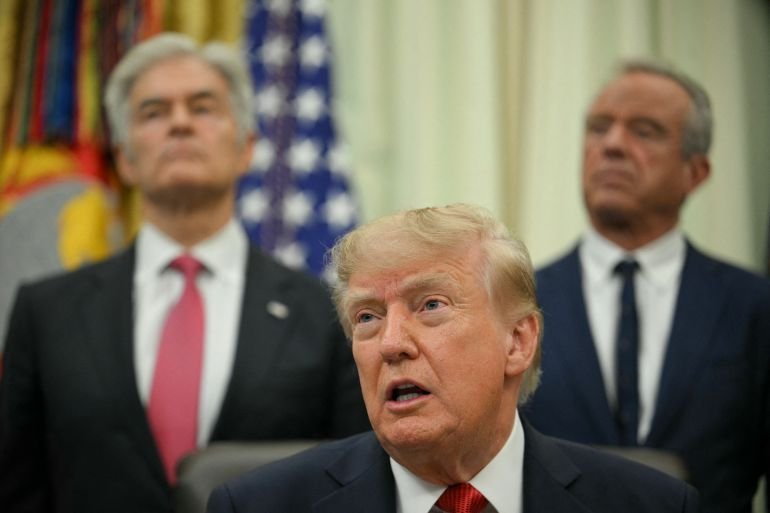
According to Trump, the ban is a response to the outlets’ “constant ‘reporting’ FAKE NEWS!” – a claim that has been widely disputed by journalists and experts.
The President has a long history of clashing with the media, and his attacks on journalists have become increasingly frequent and vicious.
Despite this, Trump has continued to invite reporters into the Oval Office for impromptu press conferences, and has only rarely banned outlets or reporters from attending.
However, the latest move has sparked fears that Trump will continue to escalate his war on the media, with potentially devastating consequences for the future of journalism and democracy in the US.
The ban has been widely condemned by press freedom advocates, who warn that it poses a significant threat to democracy and freedom of speech. Bruce Brown, the president of the US Reporters Committee for Freedom of the Press, has described the move as “flatly unconstitutional” and “textbook viewpoint discrimination”.
The ban has also been slammed by the outlets themselves, with CNN describing it as an “illegal assault” on its constitutionally protected right to report without government interference.
Politico has vowed to “vigorously defend our First Amendment rights” and has warned that the ban will not deter its journalists from continuing to report on the Trump administration.
So why has Trump launched this latest attack on the media? The answer lies in his long-standing hostility towards journalists and his willingness to use his power to silence critics.
Throughout his presidency, Trump has repeatedly clashed with the media, and has used his platform to launch vicious personal attacks on journalists. He has also used his power to try to suppress dissenting voices, whether through lawsuits or other means.
The latest ban is just the latest example of this trend, and has sparked fears that Trump will continue to escalate his war on the media in the months and years to come.
But what does this mean for Australia?
Analysis: What This Means for Australia is that the country’s own media outlets and journalists may be watching the situation in the US with growing concern.
As Trump’s attacks on the media continue to escalate, there are fears that other world leaders may follow his example and launch their own attacks on journalists and media outlets.
This could have significant implications for press freedom and democracy in Australia, and could potentially lead to a more hostile environment for journalists and media outlets.
Security analysts say that the situation in the US is a warning sign for Australia, and that the country’s own media outlets and journalists need to be vigilant in the face of growing hostility from politicians and other powerful figures.
Law enforcement insiders warn that the situation in the US is a reminder of the importance of protecting press freedom and the role of journalists in holding those in power to account.
Industry observers believe that the ban is a sign of a growing trend towards authoritarianism and hostility towards the media, and that it poses a significant threat to democracy and freedom of speech.
As the situation in the US continues to unfold, it is clear that the implications for Australia will be significant, and that the country’s own media outlets and journalists will need to be prepared to defend their rights and freedoms in the face of growing hostility and intimidation.
Experts say that the situation in the US is a wake-up call for Australia, and that the country needs to take steps to protect its own media outlets and journalists from similar attacks.
This could include strengthening laws and regulations to protect press freedom, as well as providing greater support and resources for journalists and media outlets.
By taking these steps, Australia can help to ensure that its own media outlets and journalists are able to continue reporting on the issues that matter, without fear of intimidation or reprisal.
As the situation in the US continues to unfold, it is clear that the stakes are high, and that the future of press freedom and democracy in Australia hangs in the balance.
In the context of press freedom, the situation in the US is a significant concern for Australia.
The country has a long tradition of protecting the rights of journalists and media outlets, and has a strong reputation for upholding the principles of democracy and freedom of speech.
However, the growing trend towards authoritarianism and hostility towards the media poses a significant threat to these values, and requires a vigorous response from journalists, media outlets, and the broader community.
By working together to protect press freedom and the role of journalists in holding those in power to account, Australia can help to ensure that its own democracy remains strong and vibrant, and that the rights of all citizens are protected.
For more information on this topic, visit the website of the Australian Press Council, which provides guidance and support for journalists and media outlets on issues related to press freedom and ethics.
The Australian Broadcasting Corporation also provides comprehensive coverage of the situation in the US, and offers insights and analysis from experts and journalists on the implications for Australia.