
Victoria Braces For Further Aftershocks As Experts Warn Of Potential Disaster: ‘Drop, Cover And Hold On’
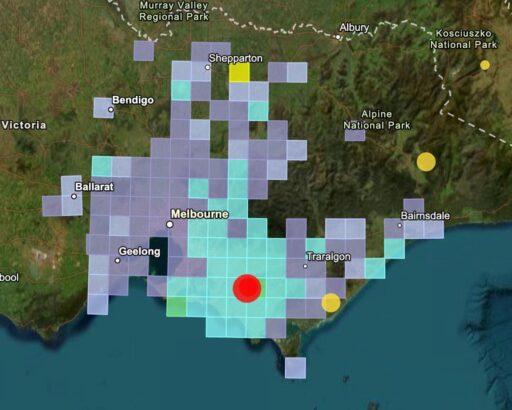
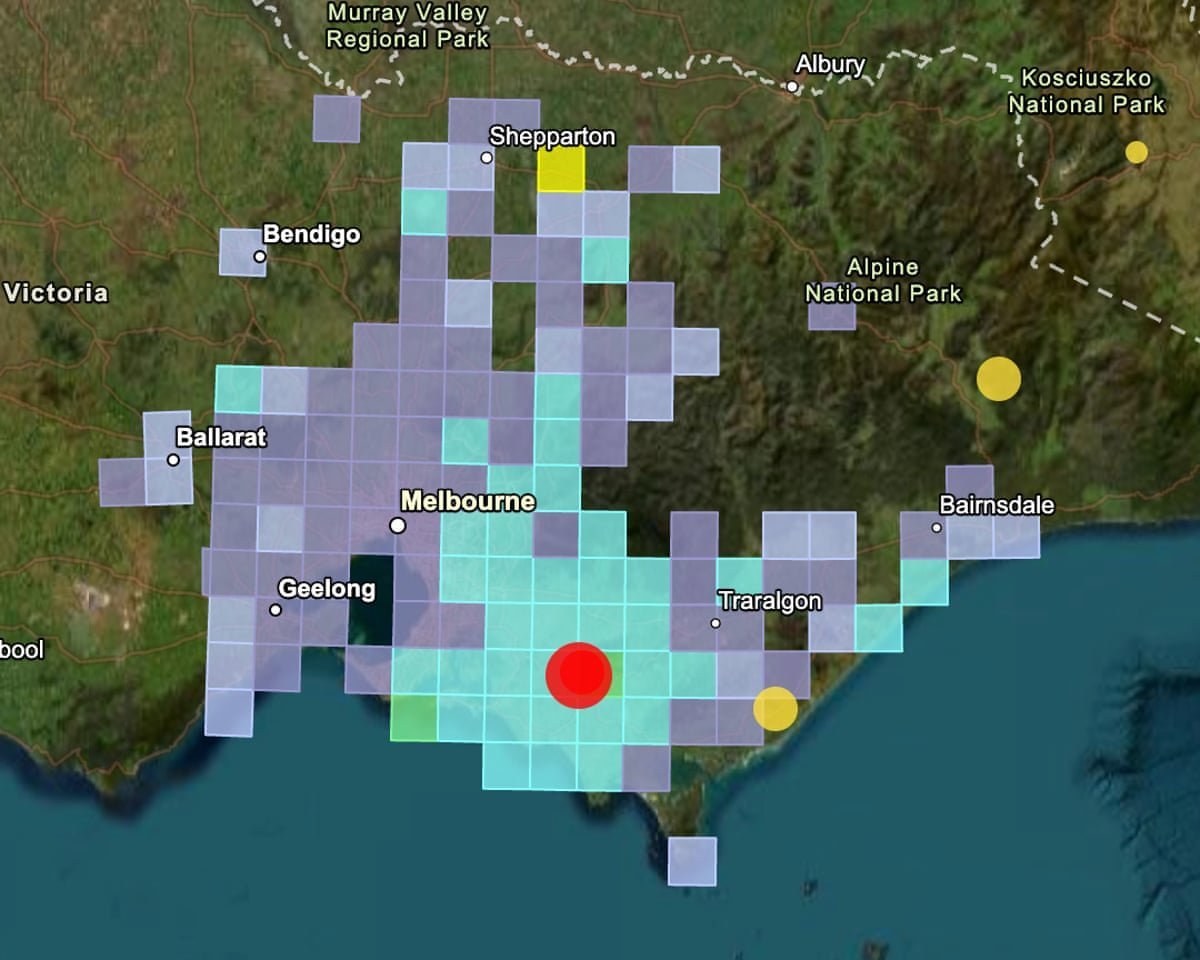
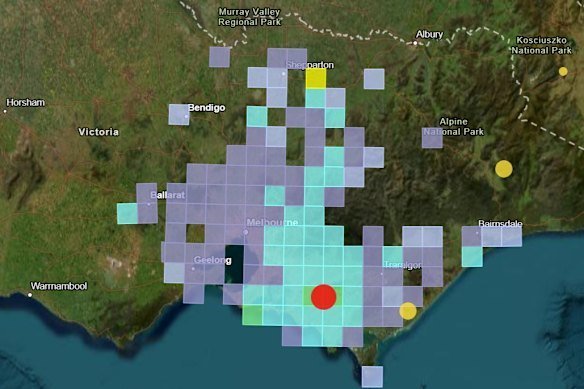
- More than 21,000 people felt the tremors of a magnitude 4.8 earthquake that struck near Leongatha, with aftershocks expected to continue for weeks
- Geologists warn of a chance that an earthquake of similar magnitude or larger may occur, leaving residents on high alert
- The Gippsland region has a history of significant earthquakes, including a magnitude 4.7 earthquake in 2009 and a magnitude 4.4 earthquake in 2011
- Experts advise people to be prepared and know what to do in the event of another earthquake, with the simple yet effective “drop, cover and hold on” technique
The people of Victoria are still reeling from the shock of a magnitude 4.8 earthquake that struck near Leongatha, with experts warning that aftershocks could continue for weeks.
The earthquake, which occurred at a depth of about 10km, was felt by more than 21,000 people, including residents across Melbourne.
As the state struggles to come to terms with the disaster, geologists are warning of a chance that an earthquake of similar magnitude or larger may occur, leaving residents on high alert.
According to Monash University earthquake geologist Dr Dee Ninis, the aftershocks associated with the earthquake are expected to continue over the next few days to weeks.
“Generally, these earthquakes will become smaller and less frequent with time,” Dr Ninis said.
“However, as with all aftershock sequences, there is a chance that an earthquake of similar magnitude or larger may occur.” Dr Ninis also warned that significant earthquakes typically trigger a sequence of smaller tremors as the Earth’s crust adjusts to changes in stress caused by the initial quake.
The Gippsland region has a history of significant earthquakes, including a magnitude 4.7 earthquake in 2009 and a magnitude 4.4 earthquake in 2011. In fact, the region has experienced several earthquakes of similar magnitude over the years, with some causing significant damage to buildings and infrastructure.
As a result, residents are being advised to be prepared and know what to do in the event of another earthquake.
Dr Ninis advised people to “drop, cover and hold on” if another earthquake struck, as this simple yet effective technique can help to minimize injuries and damage.
So, what does this mean for Victoria? The earthquake has highlighted the need for residents to be prepared and aware of the risks associated with earthquakes.
As Dr Ninis explained, “if you’re indoors, drop to the ground, cover yourself with a sturdy object, like a sturdy desk, or a table, and hold on until the shaking stops.” This advice is particularly important, as many injuries are caused by objects within the house that are not attached to walls.
Furthermore, in the event of a strong earthquake, the ground will be moving so much that it will be difficult to walk, making it essential to have a plan in place.
Analysis: What This Means for Australia is that the country needs to be better prepared for earthquakes and their potential consequences.
As a nation, we need to take a closer look at our disaster preparedness and response strategies, particularly in regions that are prone to earthquakes. This includes investing in earthquake-resistant infrastructure, providing education and training to residents, and developing effective emergency response plans.
By doing so, we can minimize the risks associated with earthquakes and ensure that our communities are better equipped to respond to and recover from these disasters.
Security analysts say that the earthquake has highlighted the importance of having a comprehensive disaster preparedness plan in place.
“It’s not just about responding to the immediate aftermath of an earthquake, but also about being prepared for the potential long-term consequences,” said one analyst.
Law enforcement insiders warn that the earthquake has also highlighted the need for better communication and coordination between emergency services and residents.
“We need to make sure that people have access to accurate and timely information, and that we have the resources in place to respond to their needs,” said an insider.
Industry observers believe that the earthquake has also raised important questions about the economic and social consequences of such disasters. “The impact of an earthquake can be felt for months, if not years, after the initial event,” said one observer.
“We need to think about how we can support affected communities and businesses, and how we can mitigate the economic and social impacts of such disasters.” As the people of Victoria continue to recover from the earthquake, it’s clear that there’s a lot of work to be done to ensure that the state is better prepared for the next disaster.
In terms of national security, the earthquake has highlighted the importance of having a robust and resilient infrastructure in place.
As Australian Government officials have noted, “the security of our nation depends on our ability to respond to and recover from disasters.” This includes investing in critical infrastructure, such as power grids and communication networks, and developing strategies to mitigate the risks associated with earthquakes and other disasters.
By doing so, we can help to ensure the safety and security of our communities, and support the long-term economic and social well-being of our nation.
As the people of Victoria look to the future, it’s clear that there’s a lot of work to be done to ensure that the state is better prepared for earthquakes and other disasters.
By investing in disaster preparedness and response strategies, and by working together to develop effective emergency plans, we can help to minimize the risks associated with these events and support the long-term recovery and resilience of our communities.
For more information on earthquake safety and preparedness, visit the Australian Bureau of Statistics website or the Geoscience Australia website.