
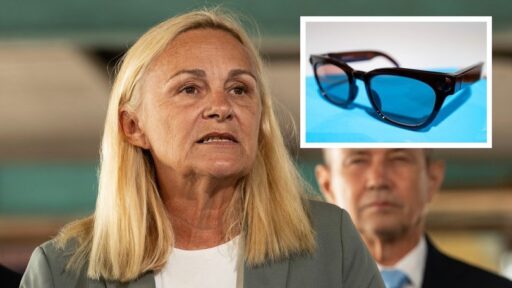

Radical Ban On ‘Pervert Glasses’ In Western Australian Schools Sparks National Debate On Privacy And Safety
- Western Australia becomes the first state to impose a total ban on smart glasses in public schools, citing concerns over careless, criminal, and malicious activity
- The ban, which applies to students, staff, parents, carers, and contractors, is set to take effect from term 4 and will also cover offsite school activities
- Education Minister Sabine Winton says the move is a preventive measure to protect students and staff from potential risks associated with the devices, which can capture images, video, and audio without detection
- The decision has sparked a national conversation about the need for stricter regulations on smart glasses, with other states and territories considering similar bans
The Western Australian government has announced a groundbreaking ban on smart glasses in public schools, effective from term 4, in a bid to protect students and staff from potential risks associated with the devices.
The ban, which applies to everyone on school premises, including contractors and parents, is the most comprehensive in the country and has sparked a national debate about the need for stricter regulations on smart glasses.
Education Minister Sabine Winton said the decision was driven by concerns over the potential for careless, criminal, and malicious activity, citing the growing popularity and accessibility of smart glasses.
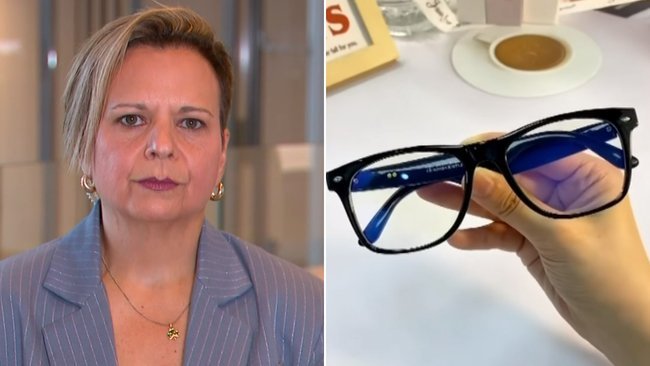
“Smart glasses may look cool, but there’s absolutely no place in our schools or classrooms for them,” she said. The minister urged private and independent schools to follow suit and ban the devices, emphasizing the need for a preventive approach to mitigate potential risks.
The ban is not just limited to school premises but will also apply to offsite locations where students and staff are representing their school, such as sports events and excursions.
This move is seen as a significant step towards addressing the growing concern about the use of smart glasses in public places, particularly in areas where children and vulnerable individuals are present.
The Western Australian government’s decision has been welcomed by many, who see it as a necessary measure to protect individuals from potential harm.
The use of smart glasses has been a topic of discussion in recent times, with many raising concerns about the potential for these devices to be used to capture images, video, and audio without detection.
The devices, which are often referred to as “pervert glasses,” have been linked to several incidents of voyeurism and harassment, highlighting the need for stricter regulations.
The Western Australian government’s ban is seen as a proactive step towards addressing these concerns and protecting individuals from potential harm.
The decision to ban smart glasses in Western Australian schools is not an isolated incident, with other states and territories considering similar measures. In South Australia, the Greens are pushing for a statewide ban on smart glasses in public places, including schools, gyms, and swimming pools.
In Victoria, “wearable devices” like smartwatches and smart glasses are not currently banned in schools but will be from January 2027. The federal government is also considering new rules for Australia’s growing AI sector, including potential restrictions on the use of smart glasses in Commonwealth workplaces.
Analysis: What This Means for Australia
The ban on smart glasses in Western Australian schools has significant implications for Australia as a whole. It highlights the need for a national conversation about the use of these devices and the potential risks associated with them.
The decision also raises questions about the effectiveness of current laws and regulations in protecting individuals from potential harm.
As the use of smart glasses becomes more widespread, it is essential that governments and regulatory bodies take a proactive approach to addressing these concerns and protecting the community.
Security analysts say that the ban on smart glasses in Western Australian schools is a step in the right direction, but more needs to be done to address the broader issue of surveillance and privacy in public places.
Law enforcement insiders warn that the use of smart glasses can make it difficult to detect and prevent crimes, such as voyeurism and harassment, and that stricter regulations are needed to protect vulnerable individuals.
Industry observers believe that the ban on smart glasses in Western Australian schools will have a ripple effect, with other states and territories considering similar measures to protect their communities.
The Western Australian government’s decision to ban smart glasses in public schools is a significant development in the ongoing debate about the use of these devices in public places.
As the use of smart glasses becomes more widespread, it is essential that governments and regulatory bodies take a proactive approach to addressing concerns about surveillance, privacy, and safety.
The ban on smart glasses in Western Australian schools is a step towards protecting individuals from potential harm and highlights the need for a national conversation about the use of these devices and the potential risks associated with them.
According to privacy laws, the use of smart glasses in public places raises significant concerns about surveillance and privacy. The devices can capture images, video, and audio without detection, making it difficult for individuals to know when they are being recorded.
This has led to calls for stricter regulations on the use of smart glasses, particularly in areas where children and vulnerable individuals are present. Australian Federal Police have also raised concerns about the potential for smart glasses to be used in criminal activity, such as voyeurism and harassment.
In conclusion, the ban on smart glasses in Western Australian schools is a significant development in the ongoing debate about the use of these devices in public places.
The decision highlights the need for a national conversation about the potential risks associated with smart glasses and the need for stricter regulations to protect individuals from potential harm.
As the use of smart glasses becomes more widespread, it is essential that governments and regulatory bodies take a proactive approach to addressing concerns about surveillance, privacy, and safety.