


Woman Who Dismembered Husband And Dumped His Remains In Bins Around Sydney Suburbs Sparks Outrage As She’s Handed Minimum Three-Year Jail Term
- A 55-year-old woman has been sentenced to a minimum of three years in jail for killing and dismembering her husband, with the judge citing “disturbing” conduct in disposing of the remains.
- The case has sparked outrage, with the victim’s relatives describing the dismemberment as “horrific cruelty” and expressing anger at the perceived leniency of the sentence.
- The woman, Nirmeen Noufl, pleaded guilty to manslaughter on the basis of excessive self-defence, after initially facing a murder charge, and will be eligible for parole in October next year.
- The incident has raised questions about domestic violence, coercive control, and the complexities of the justice system in dealing with cases involving trauma and abuse.
The shocking case of Nirmeen Noufl, who killed and dismembered her 62-year-old husband Mamdouh Noufl, has sent shockwaves through the community, with many expressing horror and outrage at the brutality of the crime.
The incident occurred in May 2023, during an argument that turned physical, with Noufl claiming she was assaulted and attempted to defend herself, resulting in her husband’s death.
According to the agreed facts in the case, Noufl told psychiatrists that she was pinned to the kitchen floor and choked before reaching for a nearby renovation tool and stabbing her husband, believing her life was in danger.
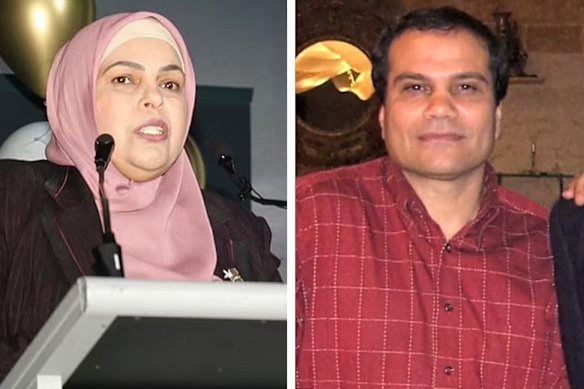
The court heard that Noufl then dismembered her husband’s body, with the help of a witness, and dumped the remains in garbage bags in rubbish bins around south-west Sydney.
The body has never been found, leaving the victim’s relatives without a resting place to visit and remember him.
The couple’s marriage was marked by infidelity, domestic violence, and controlling behaviour, with the victim’s relatives describing him as strict and holding conservative Islamic views.
The court heard that Noufl’s husband had met another woman during a trip to Egypt in 2022 and planned to marry her, denying Noufl’s request for a divorce.
The relationship was described as “gravely abusive” by the couple’s children, with evidence of violence, manipulation, and coercive control.
The case has raised important questions about the complexities of domestic violence and the justice system’s response to such cases.
Security analysts say that the incident highlights the need for greater support and resources for victims of domestic violence, as well as the importance of addressing the root causes of such violence.
Law enforcement insiders warn that the case demonstrates the challenges of dealing with trauma and abuse, and the need for a more nuanced and compassionate approach to justice.
Analysis: What This Means for Australia is that the country needs to take a closer look at its approach to domestic violence and the justice system’s response to such cases.
The incident has sparked a national conversation about the need for greater support and resources for victims of domestic violence, as well as the importance of addressing the root causes of such violence.
The case also highlights the need for a more nuanced and compassionate approach to justice, one that takes into account the complexities of trauma and abuse.
Industry observers believe that the case demonstrates the importance of addressing the social and economic factors that contribute to domestic violence, such as poverty, unemployment, and lack of education.
They also highlight the need for greater investment in support services and resources for victims of domestic violence, including counselling, housing, and employment assistance.
By addressing these underlying factors and providing greater support and resources, Australia can work towards reducing the incidence of domestic violence and creating a safer and more just society for all.
As the community continues to grapple with the shocking details of the case, it is clear that the incident has raised important questions about the justice system and its response to domestic violence.
The case has sparked a national conversation about the need for greater support and resources for victims of domestic violence, as well as the importance of addressing the root causes of such violence.
By examining the complexities of the case and the justice system’s response, Australia can work towards creating a more just and compassionate society for all.
For more information on domestic violence and the justice system, visit domestic violence support services or Australian Institute of Criminology.