
Uncle Benjamin ‘BJ’ Cruse’s Fight For Justice: A Lifetime Of Trauma And A Desperate Plea For Compensation And Acknowledgement Of Historical Abuse
- Uncle Benjamin ‘BJ’ Cruse, a 72-year-old Yuin and Monaroo elder, alleges he was physically and emotionally abused as a child at a NSW hospital, sparking a lifetime of trauma and a desperate fight for justice.
- Mr Cruse’s harrowing experience is a stark reminder of the dark history of segregation and abuse of Indigenous Australians in the country’s healthcare system, with many cases still falling through the cracks.
- The NSW government’s response to Mr Cruse’s allegations has been met with criticism, with many arguing that the current compensation schemes are inadequate and do not provide proper support for survivors of historical abuse.
- As Mr Cruse continues his fight for justice, his story serves as a powerful reminder of the need for reconciliation and healing for Indigenous Australians, and the importance of acknowledging and addressing the historical injustices that have had a lasting impact on communities.
Uncle Benjamin ‘BJ’ Cruse’s story is one of resilience and determination in the face of overwhelming adversity.
As a young boy, he was taken to the Macleay District Hospital, now known as Kempsey District Hospital, where he alleges he was subjected to physical and emotional abuse at the hands of a nurse.
The experience has left him with psychological issues that have lasted a lifetime, and he is now fighting for compensation and acknowledgement of the historical abuse he suffered.
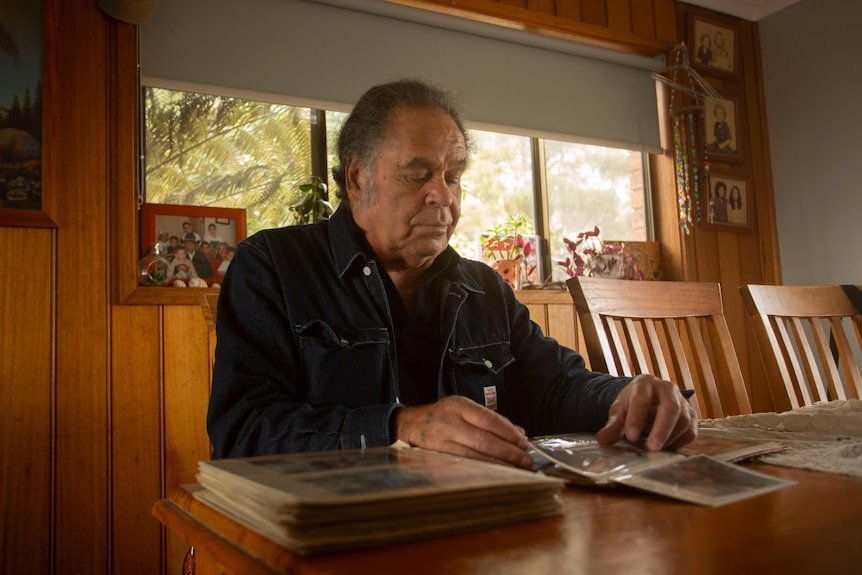
Mr Cruse’s allegations are not isolated, with many Indigenous Australians sharing similar experiences of segregation and abuse in the country’s healthcare system.
The practice of separating Indigenous patients from non-Indigenous patients was a common practice in hospitals, with many Indigenous people being treated in separate wards or rooms.
This segregation was often justified as a means of protecting non-Indigenous patients from the perceived “dangers” of Indigenous people, but in reality, it was a form of systemic racism that perpetuated inequality and abuse.
The history of segregation and abuse of Indigenous Australians in the healthcare system is a complex and painful one.
The NSW Aborigines Welfare Board, which was responsible for controlling the lives and affairs of Aboriginal people in NSW, enforced policies of segregation, assimilation, child removal, and wage withholding.
These policies had a devastating impact on Indigenous communities, causing intergenerational trauma and ongoing disadvantage.
The board’s actions were often justified as a means of “protecting” Indigenous people, but in reality, they were a form of paternalistic racism that denied Indigenous people their basic human rights.
Today, the legacy of these policies can still be seen in the healthcare system, with many Indigenous Australians experiencing poorer health outcomes and lower life expectancy than non-Indigenous Australians.
The National Justice Project CEO, George Newhouse, notes that there are still remnants of past policies within the healthcare system, with many Indigenous people experiencing racism and discrimination when accessing healthcare services.
This is a stark reminder of the need for reconciliation and healing, and the importance of acknowledging and addressing the historical injustices that have had a lasting impact on Indigenous communities.
Analysis: What This Means for Australia.
The case of Uncle Benjamin ‘BJ’ Cruse highlights the need for a national conversation about the historical abuse of Indigenous Australians in the healthcare system. It is a stark reminder of the systemic racism and inequality that has perpetuated disadvantage and trauma for Indigenous communities.
The NSW government’s response to Mr Cruse’s allegations has been met with criticism, with many arguing that the current compensation schemes are inadequate and do not provide proper support for survivors of historical abuse.
As the country continues to grapple with the legacy of its past, it is clear that more needs to be done to address the ongoing injustices faced by Indigenous Australians.
Security analysts say that the case of Uncle Benjamin ‘BJ’ Cruse is a powerful reminder of the need for increased funding and support for Indigenous healthcare services.
The current healthcare system is often inadequate and inaccessible for many Indigenous Australians, with many experiencing poorer health outcomes and lower life expectancy than non-Indigenous Australians.
Law enforcement insiders warn that the legacy of historical abuse and trauma can have a lasting impact on Indigenous communities, perpetuating cycles of violence and disadvantage.
Industry observers believe that the NSW government’s response to Mr Cruse’s allegations is a missed opportunity for reconciliation and healing, and that more needs to be done to address the ongoing injustices faced by Indigenous Australians.
The economic and social consequences of historical abuse and trauma are far-reaching and devastating.
The experience of Uncle Benjamin ‘BJ’ Cruse is a stark reminder of the intergenerational trauma that can result from historical abuse, with many Indigenous Australians experiencing ongoing disadvantage and poverty.
The cost of this trauma is not just emotional, but also economic, with many Indigenous Australians experiencing poorer health outcomes and lower life expectancy than non-Indigenous Australians.
As the country continues to grapple with the legacy of its past, it is clear that more needs to be done to address the ongoing injustices faced by Indigenous Australians, and to provide proper support and compensation for survivors of historical abuse.
As Mr Cruse continues his fight for justice, his story serves as a powerful reminder of the need for reconciliation and healing for Indigenous Australians.
The NSW government’s response to his allegations has been met with criticism, with many arguing that the current compensation schemes are inadequate and do not provide proper support for survivors of historical abuse.
However, the offer of compensation by the local health district is a step in the right direction, and a recognition of the harm and trauma that Mr Cruse has experienced.
As the country continues to move forward, it is clear that more needs to be done to address the ongoing injustices faced by Indigenous Australians, and to provide proper support and compensation for survivors of historical abuse.
Experts such as Dr Odette Best, a Gorreng Gorreng, Boonthamurra, and Yugambeh woman, note that the experience of Uncle Benjamin ‘BJ’ Cruse is not an isolated one, and that many Indigenous Australians have experienced similar forms of abuse and trauma in the healthcare system.
The legacy of historical abuse and trauma can have a lasting impact on Indigenous communities, perpetuating cycles of violence and disadvantage.
However, with increased funding and support for Indigenous healthcare services, and a commitment to reconciliation and healing, it is possible to address the ongoing injustices faced by Indigenous Australians, and to provide proper support and compensation for survivors of historical abuse.
For more information on this topic, please visit our website and search for Indigenous Australians and healthcare system. You can also find more information on the Australian Institute of Health and Welfare and the National Aboriginal Community Controlled Health Organisation websites.