
Australia On The Brink: Soaring Petrol Prices Spark Desperate Call For Relief As Coalition Floats Plan To Halve Fuel Excise
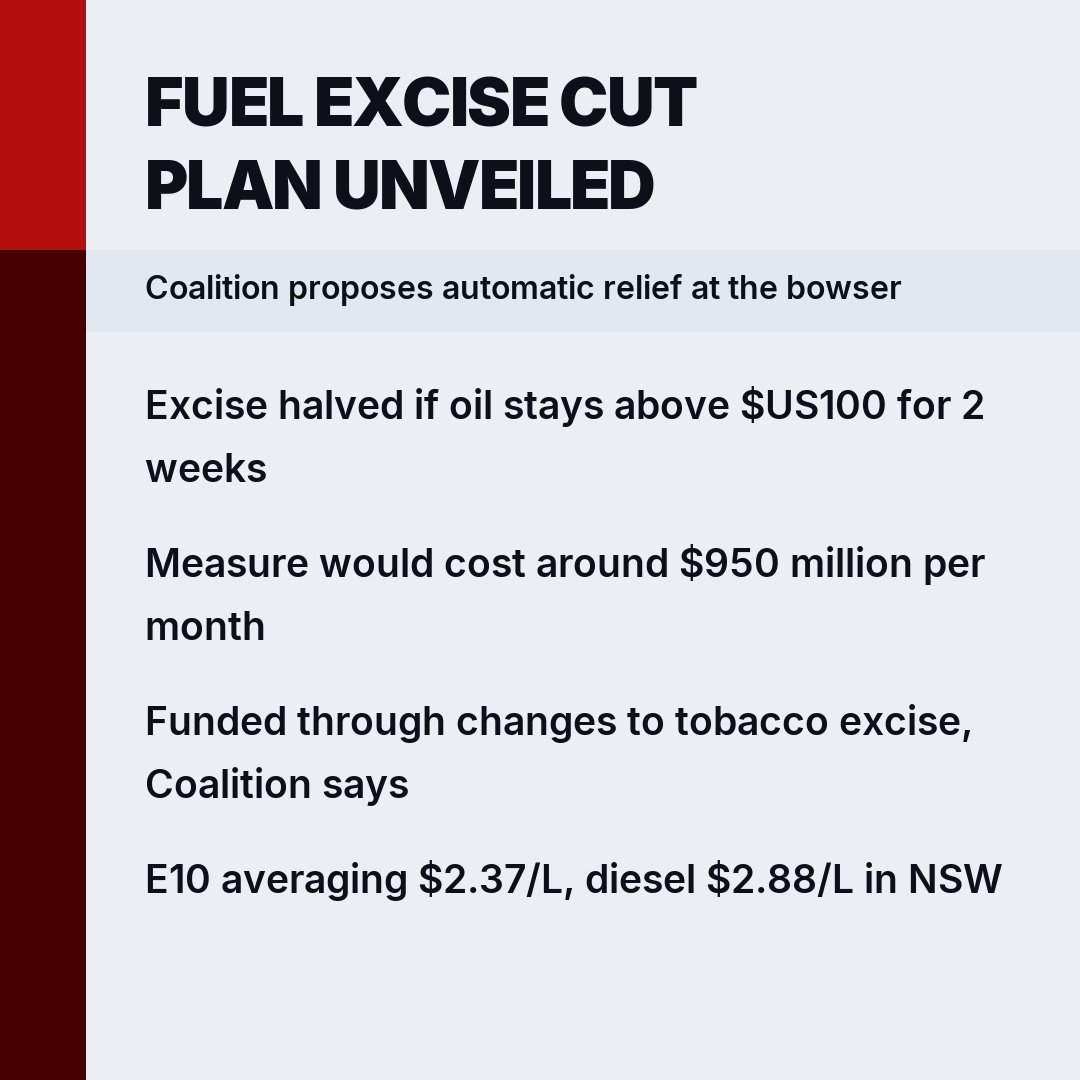
- Millions of Australians are struggling to cope with skyrocketing petrol prices, with the average cost of E10 sitting at $2.37 a litre and diesel at $2.88 a litre
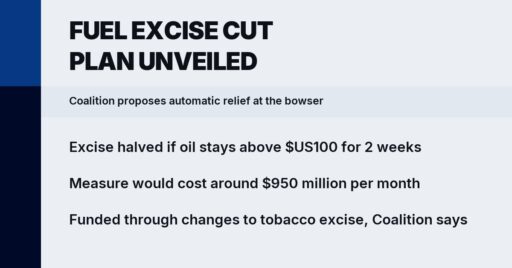
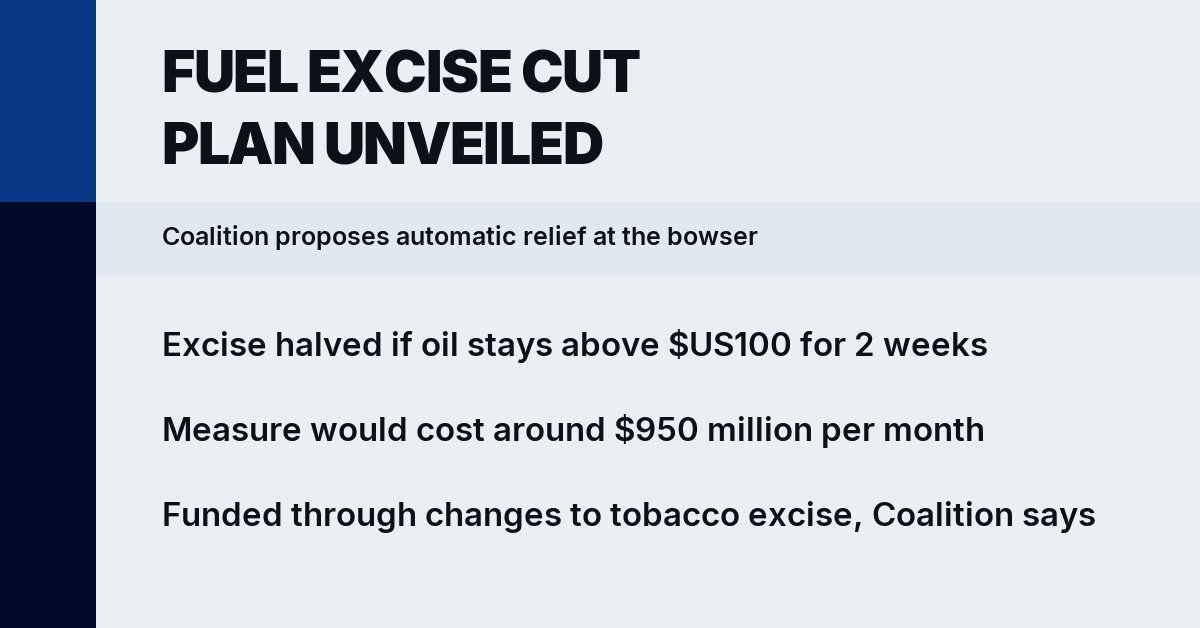
- The Coalition has proposed a plan to automatically halve the fuel excise on petrol and diesel if international oil prices remain above $US100 a barrel for more than two weeks
- The measure, which would cost around $950 million a month, has sparked a heated debate over its potential impact on inflation and the nation’s budget
- Experts warn that the rising cost of fuel is not only hurting motorists but also having a ripple effect on transport and supply chain costs, exacerbating the country’s economic woes
As the nation grapples with the escalating cost of living, the Coalition’s proposal to halve the fuel excise has been met with a mix of relief and skepticism.
With petrol prices showing no signs of easing, the plan aims to provide some respite to the millions of Australians who are feeling the pinch at the bowser.
However, opponents argue that the measure could add to inflation and further burden the nation’s already strained budget.
The Coalition’s plan would see the fuel excise cut in half if international oil prices remain above $US100 a barrel for more than two weeks. This would provide a much-needed reprieve to motorists, truckers, and other industries that rely heavily on fuel.
According to Nationals Senate Leader Bridget McKenzie, the plan would be funded through changes to tobacco excise, which would help offset the estimated $950 million a month cost.
However, Community Strong MP Allegra Spender has raised concerns that broad fuel excise cuts could exacerbate inflation, arguing that support should be targeted at households and industries most affected.
The debate over the fuel excise cut comes as the Reserve Bank Governor Michele Bullock warned of rising risks, including excess demand, elevated oil prices, and inflation expectations.
With the RBA set to make its September 29 interest rate decision, the nation is holding its breath as it waits to see how the central bank will respond to the growing economic pressures.
Meanwhile, the cost of fuel continues to feed into transport and supply chain costs, having a devastating impact on businesses and households alike. As the average price of E10 and diesel continues to soar, the need for a solution has never been more urgent.
As the nation struggles to come to terms with the rising cost of living, the question on everyone’s mind is: what does this mean for Australia?
The answer lies in the potential consequences of the Coalition’s plan.
If implemented, the fuel excise cut could provide a much-needed boost to the economy, helping to stimulate growth and reduce the burden on households and businesses.
However, if not managed carefully, it could also add to inflation, further exacerbating the nation’s economic woes.
Analysis: What This Means for Australia is that the country is at a critical juncture, and the decisions made now will have far-reaching consequences for the nation’s economic future.
Security analysts say that the rising cost of fuel is not just a economic issue, but also a national security concern. As the nation becomes increasingly reliant on imported fuel, the risk of supply chain disruptions and price shocks grows.
Law enforcement insiders warn that the increasing cost of fuel is also having a significant impact on the trucking and freight industries, which are essential to the nation’s economy.
Industry observers believe that the government needs to take a more nuanced approach to addressing the issue, one that balances the need for relief with the need to manage the nation’s finances and ensure the long-term sustainability of the economy.
As the debate rages on, one thing is clear: the nation needs a solution, and it needs it now. With the cost of fuel showing no signs of easing, the pressure is mounting on the government to act.
Whether the Coalition’s plan to halve the fuel excise is the right solution remains to be seen, but one thing is certain: the nation cannot afford to wait.
The economic and social consequences of inaction would be devastating, and the government must take a proactive approach to addressing the issue.
By providing targeted support to households and industries most affected, and by investing in long-term solutions such as electric vehicles, the government can help mitigate the impact of rising fuel costs and ensure a more sustainable future for the nation.
In the midst of the debate, it is essential to consider the broader context of the issue. The rising cost of fuel is not just a local problem, but a global one.
As the world grapples with the challenges of climate change, energy security, and economic instability, the need for a coordinated response has never been more pressing.
By working together with other nations and international organizations, Australia can help shape a more sustainable and equitable energy future, one that balances the need for economic growth with the need to protect the environment and ensure energy security.
As the nation moves forward, it is crucial to keep in mind the potential consequences of its actions, and to strive for a solution that benefits not just Australia, but the world at large.
In conclusion, the debate over the fuel excise cut is a complex and multifaceted one, with far-reaching implications for the nation’s economy, national security, and environment.
As the government considers its next move, it is essential to take a careful and considered approach, one that balances the need for relief with the need to manage the nation’s finances and ensure the long-term sustainability of the economy.
By providing targeted support to households and industries most affected, investing in long-term solutions, and working together with other nations, Australia can help mitigate the impact of rising fuel costs and ensure a more sustainable future for the nation.
The fuel excise debate is just the beginning, and it is crucial to consider the broader context of the issue, including the energy security and climate change implications.