


Australia’s Fuel Price Crisis: Coalition’s Desperate Bid to Shield Motorists from Soaring Costs as Global Unrest Pushes Petrol Prices to the Brink
- Australian motorists are bracing for further pain at the pump as global petrol prices skyrocket, with the Coalition promising to slash fuel costs when prices hit $US100 a barrel
- The opposition’s Fuel Price Shield policy would halve the fuel excise, saving motorists around $15 off the average tank of petrol, but Treasurer Jim Chalmers has dismissed the plan as “uncapped and unfunded”
- As the country teeters on the edge of a cost-of-living crisis, the debate over fuel prices has sparked a bitter war of words between the Coalition and the government, with economists warning of inflationary pressures and social services ministers sounding the alarm on tobacco tax cuts
- With the global price of Brent crude oil surging, Australian families are facing a perfect storm of rising fuel costs, interest rate hikes, and cost-of-living pressures, leaving many to wonder if the Coalition’s Fuel Price Shield is a lifeline or a populist gimmick
The Coalition’s Fuel Price Shield policy has sparked a heated debate over the best way to tackle soaring fuel costs, with Opposition Leader Angus Taylor insisting that the plan would provide relief to Australian motorists when they need it most.
As global petrol prices continue to rise, driven by unrest in the Middle East and other factors, the opposition is promising to cut the fuel excise in half when the global price of Brent crude oil averages $US100 a barrel over two weeks.
The policy, which would be funded through the Coalition’s planned cuts to the tobacco excise, has been met with skepticism by Treasurer Jim Chalmers, who has dismissed the plan as “uncapped and unfunded”.
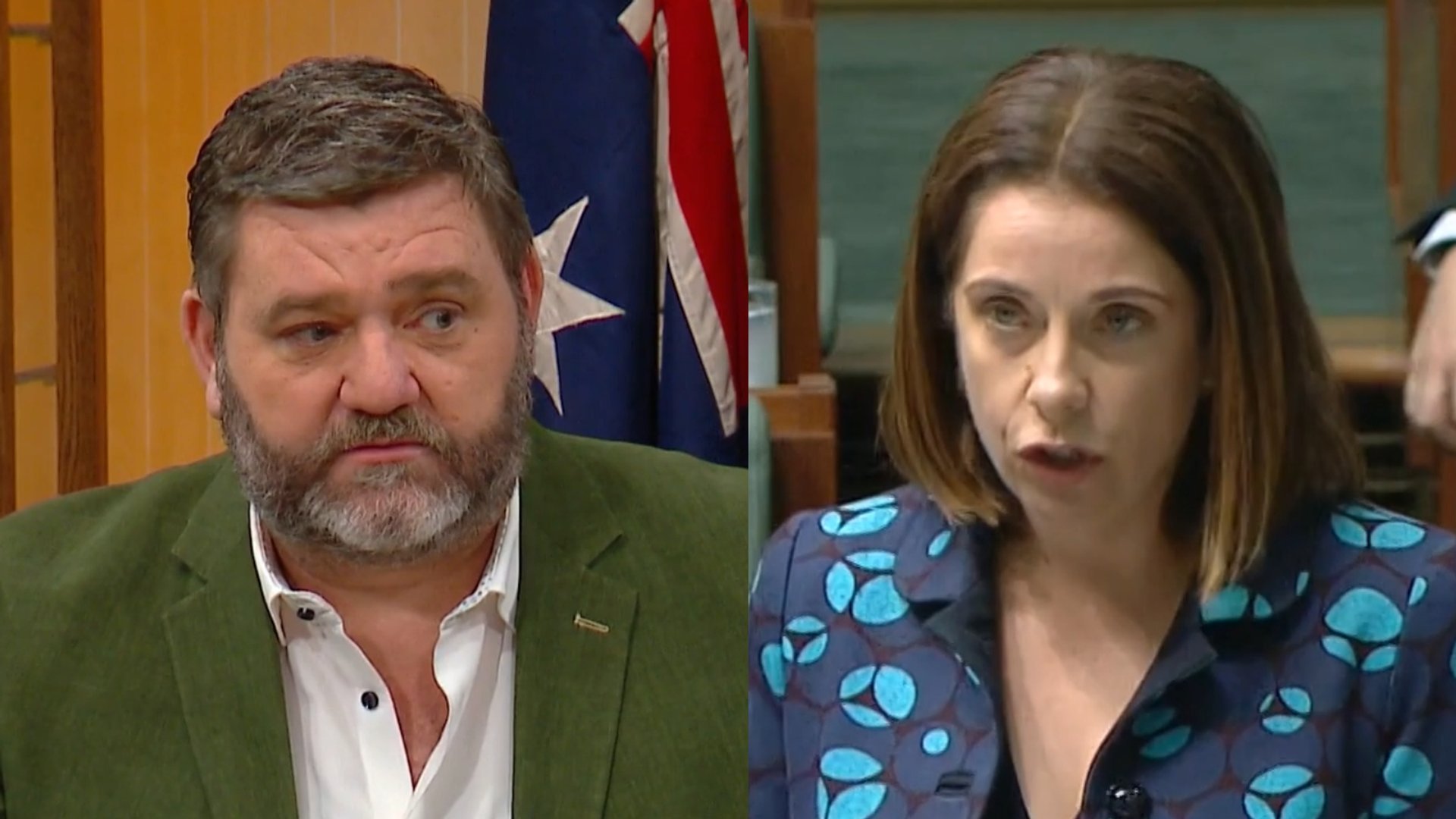
However, Mr Taylor remains committed to the policy, arguing that it would save motorists around $15 off the average tank of petrol.
With the global price of Brent crude oil surging, Australian families are facing a perfect storm of rising fuel costs, interest rate hikes, and cost-of-living pressures.
To understand the context behind the Coalition’s Fuel Price Shield policy, it’s essential to examine the broader economic and geopolitical landscape.
The global price of Brent crude oil has been rising steadily, driven by a range of factors including unrest in the Middle East, supply chain disruptions, and increasing demand from emerging economies.
As a result, Australian motorists are facing higher fuel costs, which are having a ripple effect throughout the economy. The Coalition’s policy is an attempt to mitigate the impact of these rising fuel costs, but it’s not without its critics.
Analysis: What This Means for Australia is that the country is facing a complex web of economic and geopolitical challenges that require a nuanced and multifaceted response.
The Coalition’s Fuel Price Shield policy is just one part of the equation, and it’s essential to consider the potential implications for national security, law enforcement, and community safety.
For example, the policy could have unintended consequences on the black market for tobacco, potentially leading to an increase in illicit trade and organized crime. Furthermore, the policy could also have implications for Australia’s energy security, as the country becomes increasingly reliant on imported fuel.
Security analysts say that the Coalition’s policy could have significant implications for Australia’s energy security, particularly if the global price of Brent crude oil continues to rise.
Law enforcement insiders warn that the policy could also have unintended consequences on the black market for tobacco, potentially leading to an increase in illicit trade and organized crime.
Industry observers believe that the policy is a short-term fix that fails to address the underlying structural issues driving high fuel costs, such as Australia’s lack of refining capacity and its reliance on imported fuel.
As energy security becomes an increasingly pressing concern, the government must consider the long-term implications of its policies and develop a comprehensive strategy to address the issue.
As the debate over fuel prices continues to simmer, it’s clear that there are no easy solutions to the complex challenges facing Australian motorists.
While the Coalition’s Fuel Price Shield policy may provide some relief in the short term, it’s essential to consider the potential implications for the broader economy and society.
By examining the cost of living crisis and its impact on Australian families, it’s clear that a more comprehensive approach is needed to address the underlying drivers of high fuel costs and ensure that the country is well-equipped to respond to future economic and geopolitical challenges.
Furthermore, the government must also consider the potential impact on Australian Bureau of Statistics data, as well as the broader implications for inflation and interest rates.
In conclusion, the Coalition’s Fuel Price Shield policy is a complex and multifaceted issue that requires careful consideration of the potential implications for Australian motorists, the economy, and society as a whole.
As the country navigates the challenges of rising fuel costs, interest rate hikes, and cost-of-living pressures, it’s essential to develop a comprehensive and nuanced approach that addresses the underlying drivers of these issues and ensures that Australia is well-equipped to respond to future economic and geopolitical challenges.
By examining the economic consequences of the policy and considering the potential impact on community safety, it’s clear that a more detailed and informed approach is needed to address the complex web of challenges facing Australian families.