
Australia’s Future At Stake: Albanese Calls For Global AI Regulation As Tech Giants Warn Of Unchecked Dangers
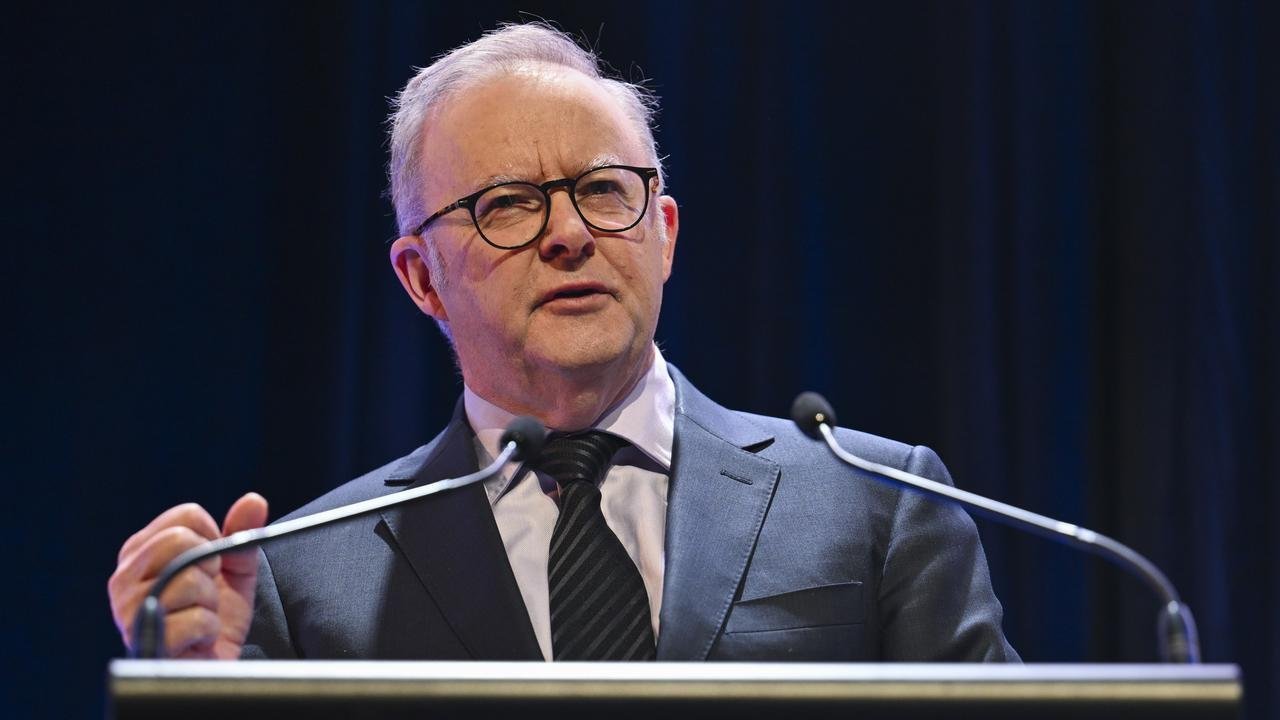
- Australia’s Prime Minister Anthony Albanese is urging the US and China to strike a deal on AI regulation, citing the need for “humans to remain in control” of the rapidly evolving technology.
- The warning comes as tech giants like Apple, Anthropic, and OpenAI sound the alarm on the potential risks of unregulated AI, with some calling for a coordinated slowdown in development.
- Albanese’s push for global rules on AI has sparked debate, with some critics arguing that Australia’s proposed changes to copyright laws could favour tech giants over creatives and undermine intellectual property protections.
- As Australia vies for a seat on the United Nations Security Council, the country’s leadership on digital safety and AI regulation will be under scrutiny, with Albanese set to make his pitch to the international community.
The world is on the cusp of an AI revolution, and Australia is poised to play a crucial role in shaping the future of this technology.
But as Prime Minister Anthony Albanese meets with global leaders to discuss the need for regulation, the stakes are higher than ever. With tech giants like Apple, Anthropic, and OpenAI warning of the dangers of unregulated AI, the Australian government is under pressure to get it right.
At the heart of the debate is the need for global rules on AI development, with Albanese calling for the US and China to strike a deal similar to the nuclear non-proliferation treaty.
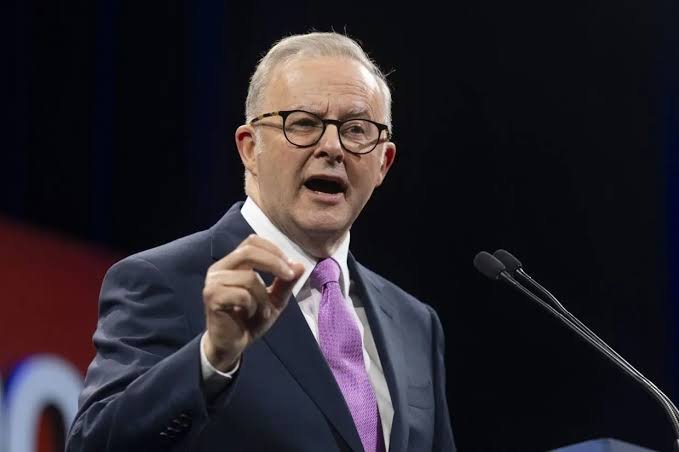
The Prime Minister’s comments come as the tech sector sounds the alarm on the potential risks of unregulated AI, with some experts warning of a “decimation or destruction” of the technology if left unchecked.
As Albanese prepares to meet with like-minded leaders at the United Nations General Assembly, the clock is ticking to establish a framework for the development of AI that prioritises human safety and well-being.
But the push for regulation is not without its challenges.
The Australian government’s proposed changes to copyright laws have sparked backlash from creatives and critics, who argue that the plans favour tech giants over intellectual property holders.
The government is considering an “opt-out” model, which would allow creators to choose whether or not to allow their work to be used in AI training models.
However, opponents argue that this approach undermines copyright laws and gives tech companies free rein to exploit creative content without permission or compensation.
As the debate rages on, security analysts say that the lack of regulation on AI poses a significant risk to national security. With the potential for AI to be used in malicious activities such as cyber attacks, surveillance, and propaganda, the need for robust safeguards is clear.
Law enforcement insiders warn that the unchecked development of AI could lead to a surge in crime, as malicious actors exploit the technology for their own gain.
Meanwhile, industry observers believe that the economic consequences of unregulated AI could be severe, with the potential for job displacement, market disruption, and social unrest.
Analysis: What This Means for Australia
Australia’s push for global AI regulation is not just about protecting the country’s interests, but also about shaping the future of the technology. As a leader in digital safety, Australia has the opportunity to set the standard for responsible AI development and deployment.
However, the country’s approach to regulation will have significant implications for national security, law enforcement, and the economy. With the potential for AI to be used in a range of applications, from healthcare to finance, the need for robust safeguards is clear.
Security analysts say that the government must get the balance right, ensuring that regulation promotes innovation while protecting human safety and well-being.
Expert commentary suggests that the key to successful AI regulation lies in international cooperation. With the US and China dominating the AI landscape, the need for a global framework is clear.
However, the challenge will be in balancing the interests of different nations, while also ensuring that the rights of creatives and intellectual property holders are protected.
As Albanese prepares to launch Australia’s bid for a seat on the United Nations Security Council, the country’s leadership on digital safety and AI regulation will be under scrutiny.
With the world watching, Australia must get it right, or risk being left behind in the AI revolution.
According to Australian Bureau of Statistics, the impact of AI on the Australian economy could be significant, with the potential for job displacement and market disruption.
However, with the right approach to regulation, the country can also reap the benefits of AI, from improved healthcare outcomes to increased productivity. As the government consults on changes to copyright laws, it must consider the needs of all stakeholders, from tech giants to creatives.
The outcome will have significant implications for the future of AI in Australia, and the country’s place in the global tech landscape. For more information on the Australian government’s approach to AI regulation, visit Australian Government Department of Industry, Science, Energy and Resources.