


Australia’s Visa Overstayer Crisis: Government Unveils Plan to Detain and Deport 77,000 Illegals Amid Fears of ICE-Style Raids
- The Australian government has announced a major crackdown on visa overstayers, with plans to detain and deport up to 77,000 people who have remained in the country illegally
- Home Affairs Minister Tony Burke has reassured the public that the measures will not lead to ICE-style immigration raids, but rather a “soft approach” to encourage overstayers to leave voluntarily
- Immigration experts have warned that the changes could lead to human rights abuses and have called for a more nuanced approach to addressing the issue of visa overstayers
- The government’s plan includes the establishment of a 100-strong Border Force team and the creation of 250 new beds in detention centres to hold overstayers, as well as measures to prevent “visa hopping” and curb disingenuous asylum claims
The Australian government’s plan to tackle the growing problem of visa overstayers has sparked both relief and concern among immigration experts and advocates.
With an estimated 77,000 people remaining in the country without a valid visa, the government has announced a major crackdown, including the establishment of a 100-strong Border Force team and the creation of 250 new beds in detention centres to hold overstayers.
However, the plan has also raised fears of ICE-style immigration raids, with some warning that the measures could lead to human rights abuses and unfairly target vulnerable migrants.
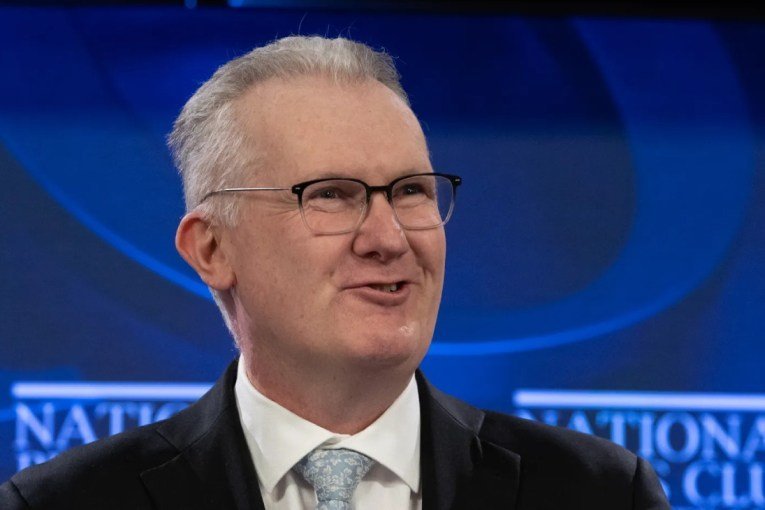
According to Home Affairs Minister Tony Burke, the plan is designed to encourage overstayers to leave voluntarily, rather than relying on forced detention and deportation. Burke has reassured the public that the measures will not lead to ICE-style raids, but rather a “soft approach” to addressing the issue.
However, immigration experts have warned that the changes could have unintended consequences, including driving migrants underground and making them more vulnerable to exploitation. As Abul Rizvi, former Immigration Department deputy secretary, noted, “The drop-off in compliance activity after 2015 was a mistake…
To return to the policy that existed before 2015 is a good thing, but it needs to be done in a way that respects human rights.”
The government’s plan includes a range of measures aimed at preventing “visa hopping” and curbing disingenuous asylum claims.
These include the introduction of a “No Further Stays” provision, which would prevent people from arriving on tourist visas and then lodging new applications, as well as measures to prevent international students from exploiting the visa system and appeals process to remain in Australia.
Burke has also announced plans to legislate to curb the significant caseload of people making “disingenuous” asylum claims in order to extend their stay in Australia.
As the Human Rights Law Centre noted, “Undocumented migrants who have been exploited at work should be protected to take action against their employers.
Instead of needlessly expanding the punitive immigration detention network, the Albanese government should invest in protections for migrant workers to ensure that all workers have safety and dignity at work.”
Analysis: What This Means for Australia.
The government’s plan to tackle visa overstayers has significant implications for national security, law enforcement, and community safety.
On one hand, the plan aims to address the growing problem of visa overstayers, which has been linked to issues such as exploitation, human trafficking, and organized crime.
On the other hand, the plan has raised concerns about the potential for human rights abuses, particularly if the measures are not implemented in a way that respects the rights and dignity of migrants.
As security analysts say, “The key to addressing the issue of visa overstayers is to strike a balance between enforcing immigration laws and protecting the rights of migrants.
This requires a nuanced approach that takes into account the complex needs and circumstances of different migrant groups.”
Law enforcement insiders warn that the plan could have unintended consequences, including driving migrants underground and making them more vulnerable to exploitation.
As one expert noted, “The government needs to be careful not to create a situation where migrants are afraid to come forward and report exploitation or abuse, for fear of being detained or deported.
This could have serious consequences for community safety and public health.” Industry observers believe that the plan is a step in the right direction, but that it needs to be implemented in a way that is fair, humane, and respectful of human rights.
As Peter van Vliet, chief executive of the Migration Institute of Australia, noted, “We had this arrangement in place before 2015, and it was a fairly soft approach…
It’s just something that has basically stopped. I think that’s a complete overstatement of what’s been planned.”
As the government moves forward with its plan to tackle visa overstayers, it will be important to monitor the implementation and impact of the measures.
This includes ensuring that the rights and dignity of migrants are respected, and that the measures are effective in addressing the underlying issues driving the problem of visa overstayers.
As immigration crisis continues to be a major issue in Australia, the government’s plan will be closely watched by migrant communities and human rights advocates.
The government will also need to work closely with Australian Border Force and Department of Home Affairs to ensure that the plan is implemented in a way that is fair, humane, and effective.
In conclusion, the government’s plan to tackle visa overstayers is a complex and multifaceted issue that requires a nuanced and balanced approach.
While the plan has the potential to address the growing problem of visa overstayers, it also raises concerns about the potential for human rights abuses and unintended consequences.
As the government moves forward with its plan, it will be important to prioritize the rights and dignity of migrants, and to ensure that the measures are effective in addressing the underlying issues driving the problem of visa overstayers.
By working together with community organizations and advocacy groups, the government can ensure that the plan is implemented in a way that is fair, humane, and respectful of human rights.